Best Garden Play Ideas for Kids to Spark Imagination
In recent years, the concept of "Garden Play" has gained significant attention in child development circles. A study by the National Association for the Education of Young Children revealed that outdoor play can enhance creativity and social skills. Engaging in garden play allows children to explore nature, fostering an imaginative spirit.
Additionally, data from the American Academy of Pediatrics indicates that outdoor activities significantly improve physical health in children. Gardening provides an immersive environment, where children can learn about plants and ecosystems while cultivating their creativity. Each moment spent in the garden can spark curiosity and inspire new ideas.
However, creating an optimal garden play environment is not always straightforward. Parents must balance safety with a stimulating atmosphere. Ideas may not always translate perfectly, leading to challenges in maintaining engagement. Nonetheless, the potential benefits of garden play warrant exploration and innovation in how we design these play spaces.
Creative Garden Play Spaces for Children
Creating engaging garden play spaces for children can dramatically enhance their creativity and imagination. Research shows that outdoor play fosters cognitive growth and social skills. A study by the National Association for the Education of Young Children emphasizes that children learn best through hands-on experiences. Garden spaces can offer endless opportunities for exploration and discovery.
Consider installing whimsical elements like fairy houses or obstacle courses. A simple rope bridge can encourage balance and coordination. Let children design their own garden plots. This hands-on involvement can stimulate responsibility and teamwork. A study from the American Academy of Pediatrics highlights that children benefit when they participate in decision-making processes during play.
**Tips:** Use natural materials for play structures. Repurpose stones, wood, and plants to create an engaging atmosphere. Don’t be afraid to let the garden evolve. This allows for mistakes and learning moments. Remember that not all ideas will work perfectly. Embrace and learn from the trial and error. Let your garden space be a canvas of creativity, nurturing your child’s imagination in unique ways.
Incorporating Nature: Natural Materials for Play
Incorporating natural materials into playtime can ignite children's creativity. Imagine a sandbox filled with sand and different textures. Small pebbles, leaves, and sticks can become the building blocks of unique creations. Kids can make small structures or pretend they are cooking. These materials spark imagination while connecting them to nature.
Using items from the garden can be a mindful approach to play. Twigs can serve as pencils for drawing in the dirt. Large leaves can transform into shields for imaginary knights. Children learn to see the utility in simple things. This leads them to question their environment and explore new ideas.
Not every play idea will be a success. Some creations may collapse, or kids might lose interest quickly. This is part of the learning process. Embracing the imperfections allows for growth and deeper exploration. Each setback can inspire a new idea, making outdoor play a valuable teacher in resilience and innovation.
Themed Play Areas: Adventure Zones and Storytelling Corners
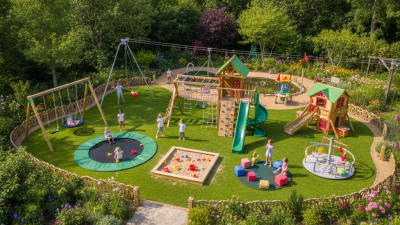
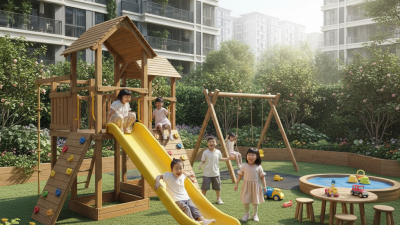
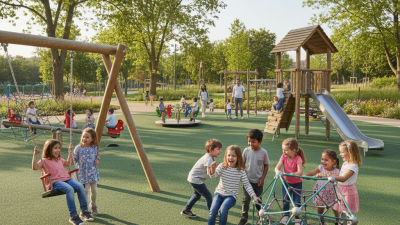
Creating themed play areas in the garden can transform a simple outdoor space into an imaginative playground. Adventure zones inspire children to explore. Robust climbing structures and hidden paths encourage physical activity. Children can pretend to be explorers, searching for hidden treasures. Sandpits can act as archaeological sites, fueling creativity in their play. Brightly colored flags or treehouses enhance the adventure theme.
Storytelling corners provide a tranquil retreat for reading and sharing tales. Simple seating, like wooden logs or soft cushions, creates a cozy atmosphere. Add colorful rugs or mats to define the space. Children can gather here, sharing stories under the shade of a tree. This promotes social skills and fosters a love for reading. Incorporate elements like a chalkboard or a story basket filled with books to encourage engagement.
These ideas require careful planning and creativity. It’s okay if things don’t work out initially. Maybe the seating gets wet, or the climbing structure isn’t used as expected. Reflecting on these experiences helps improve future play areas. By observing how children interact, you can refine these spaces to better cater to their imaginative needs.
Gardening Activities that Encourage Imagination
Gardening activities can ignite a child's imagination. Hands-on experiences in nature encourage creativity. According to a study by the American Horticultural Society, gardening helps develop important life skills in children. Engaging them in the garden fosters problem-solving and critical thinking.
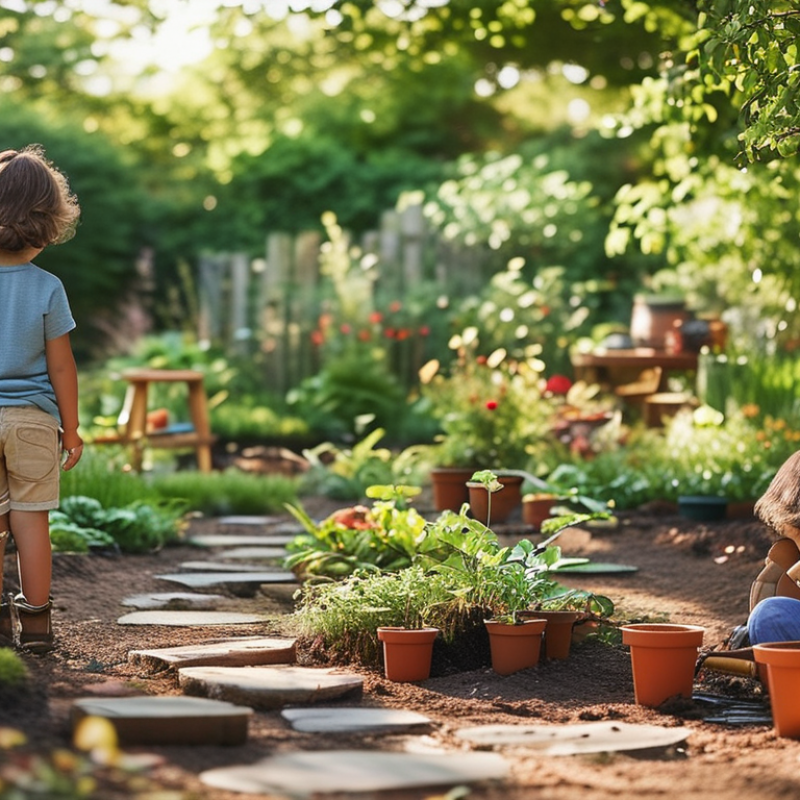
Consider starting with simple projects. Planting seeds is a great way to introduce kids to the gardening process. As they nurture their plants, they will learn patience and responsibility. Experimenting with different seeds can turn up surprises. Some seeds may sprout quickly, while others may take time.
Tips: Create a sensory garden. Use various textures, colors, and smells to stimulate curiosity. Allow children to explore. Encourage them to describe what they see and feel. This reinforces their observational skills. Sometimes plants won’t grow as expected. Discussing these failures can teach resilience. Gardening is about trial and error. Children can learn that not everything goes as planned, and that’s a valuable lesson.
Safety Tips for Outdoor Play in the Garden
Outdoor play in the garden can be a fantastic way to encourage creativity in children. However, ensuring safety during these activities is essential. According to the Consumer Product Safety Commission, approximately 200,000 children are treated for garden-related injuries each year. This highlights the need for parents to be vigilant while children play outdoors.
To enhance safety, consider these tips:
- Ensure the play area is free of sharp objects or toxic plants. Creating a defined space prevents accidents.
- Supervise kids during playtime while encouraging independent play. This balance fosters imagination while keeping them safe.
Moreover, using soft surfaces like grass or mulch can help cushion falls. The
American Academy of Pediatrics recommends adding safety features to play areas, like fencing or gates. Regularly inspect the garden for hazards;
visible risks can lead to serious injuries.
Keep a
first aid kit within reach to address minor injuries promptly. While fostering creativity, make safety a priority. By following these tips, you can create an enjoyable and secure outdoor space for kids to explore their imagination.
 +86-13901441113

 CONTACT NUMBER
 CONTACT NUMBER