+86-13901441113

Leave Your Message
-
CONTACT NUMBER
-
 CONTACT NUMBER
 -
 CONTACT NUMBER
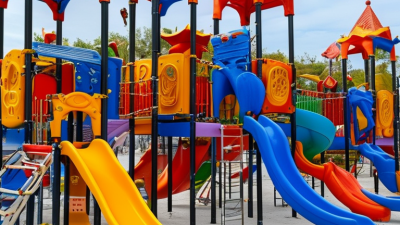
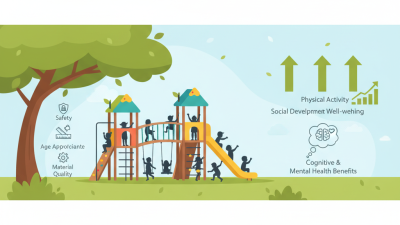
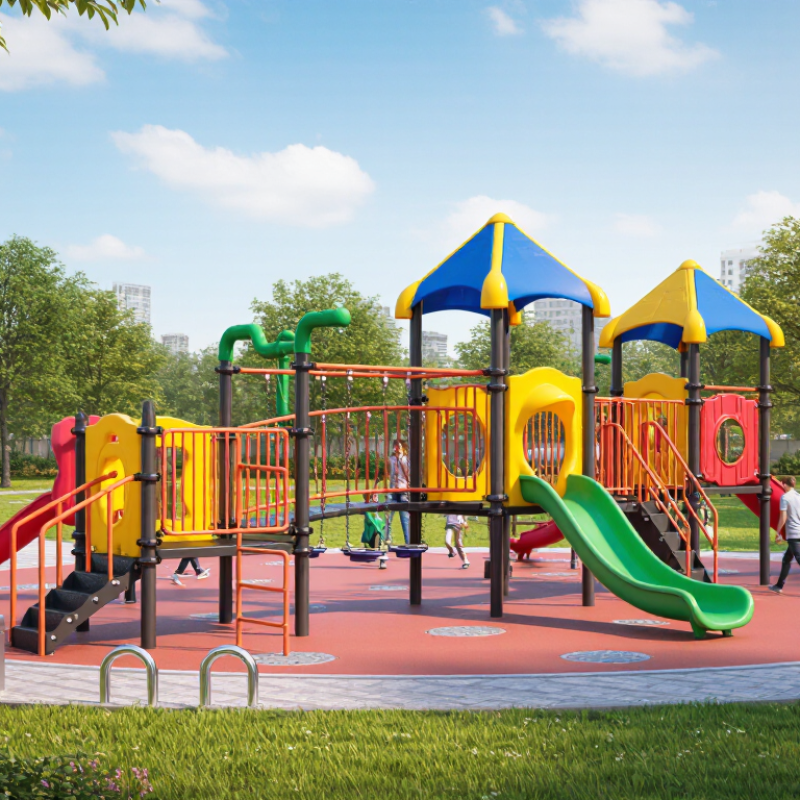
Finding a reliable China best outdoor playground sets wholesale supplier requires more than comparing catalog prices. It requires practical knowledge of safety, materials, production control, and delivery. Outdoor Playground Sets should support active play while remaining stable, comfortable, and easy to maintain. A strong supplier can explain each design choice clearly, not hide behind attractive images.
Look closely at the details. Galvanized steel frames should resist rust in humid climates. Powder-coated surfaces should feel even, without sharp edges or exposed metal. Plastic components need durable, child-friendly materials and consistent coloring. Platforms should drain rainwater quickly. Handrails must feel secure under repeated use. Experienced buyers should request product drawings, load information, factory photos, and relevant test reports before placing a bulk order. A sample set can reveal problems that a brochure misses.
Reliability also depends on communication. A professional wholesale supplier should confirm dimensions, packaging, spare parts, installation guidance, and production schedules in writing. Factory audits and pre-shipment inspections add useful protection. Still, no supplier is perfect. Minor delays can happen, and specifications may be misunderstood. That is why clear contracts and staged quality checks matter. Buyers should also verify compliance with the safety requirements of the destination market, since rules differ between regions. The best partnership is not simply the cheapest option. It is a careful balance of safe construction, consistent quality, responsive service, and realistic logistics. Past performance matters. So does honest self-correction.
China Best Outdoor Playground Sets Wholesale Supplier?
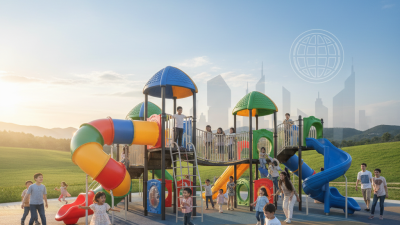
Outdoor playground sets usually fall into four categories: swing-and-slide units, climbing systems, fitness stations, and inclusive sensory play. Modular designs are popular with wholesalers because one platform can support different layouts. A compact set may suit a housing courtyard. A larger system fits schools, resorts, and public parks. Materials matter. Galvanized steel, UV-resistant plastic, rounded edges, and reliable drainage support longer service life.
Age bands should guide every purchase. Children aged two to five need low platforms, short slides, enclosed steps, and easy-grip rails. Ages five to twelve often prefer taller slides, climbing nets, bridges, and balance challenges. Teenagers and adults need stronger fitness equipment, wider movement zones, and higher load ratings. Mixed-age equipment can increase site value, but poor separation may create collision risks. That detail is sometimes overlooked.
Global demand data is not perfectly unified. Public reports use different product definitions and regional samples. Still, distributor inquiries commonly show strong demand from urban housing projects, schools, hospitality sites, and community parks. Asia and the Middle East often prioritize durable, heat-resistant equipment. European buyers usually examine documentation, accessibility, and maintenance planning closely. North American projects often require detailed installation and fall-zone information. Buyers should request test reports, material specifications, load limits, spare-part plans, and installation drawings. A low factory price can become expensive after shipping, assembly, and replacement costs. We have seen attractive designs fail when shade, drainage, or local user behavior was ignored. That deserves a second review.
A practical wholesale planning table for outdoor playground equipment, organized by user age, product category, safety considerations, and regional demand indicators.
| Product Category | Typical User Age | Main Play Function | Common Wholesale Configuration | Key Specification Priorities | Indicative Global Demand |
|---|---|---|---|---|---|
| Toddler and Preschool Sets | 2–5 years | Low-height climbing, short slides, crawling, imaginative play, and basic balance activities. | 2–5 integrated activities, low platforms, protective barriers, small steps, and enclosed access points. | Low fall height, narrow openings avoided, handrails, rounded edges, non-toxic coatings, and age-appropriate access. | High Strong demand from childcare centers, preschools, residential developments, and family parks. |
| School-Age Modular Sets | 5–12 years | Climbing, sliding, swinging, agility, social play, and challenge-based physical activity. | 6–15 integrated activities with towers, slides, bridges, climbers, fire poles, and multiple play routes. | Structural load capacity, impact-attenuating surfacing, guardrails, entrapment prevention, corrosion resistance, and replaceable components. | High The largest mainstream playground segment for schools, public parks, municipalities, and mixed-use housing. |
| Multi-Age Inclusive Sets | 2–12 years | Shared play for children with different ages and physical abilities. | Transfer platforms, ramps, accessible panels, wide decks, inclusive swings, sensory elements, and ground-level activities. | Step-free routes where feasible, transfer access, clear circulation, protective surfacing, visibility for caregivers, and varied sensory experiences. | High Increasingly specified in public tenders, schools, parks, and community regeneration projects. |
| Swings and Swing Bays | 2–12 years | Vestibular movement, coordination, and social play. | Two- to four-seat frames with standard seats, bucket seats, or inclusive basket seats. | Stable foundations, seat spacing, chain protection, pinch-point control, swing-zone clearance, and weather-resistant hardware. | High A widely requested standalone item and a standard component of larger play systems. |
| Slides | 2–12 years | Speed, confidence, balance, and repeated active play. | Straight, wave, spiral, tunnel, double-lane, or low-height preschool slides. | Platform height, run-out length, impact area, smooth joints, UV stability, surface temperature, and safe access. | High Commonly purchased as both an integrated feature and a standalone replacement or upgrade. |
| Climbing and Agility Equipment | 5–12 years | Upper-body strength, coordination, balance, and problem-solving. | Climbing walls, cargo nets, ladders, rope bridges, overhead events, and traverse panels. | Progressive difficulty, fall height, rope and connection durability, handhold design, entrapment prevention, and impact surfacing. | High Popular in school playgrounds, adventure play areas, sports parks, and larger municipal installations. |
| Spring Riders and Rockers | 2–8 years | Balance, movement control, and individual or cooperative rocking play. | Single-seat spring riders, two-seat rockers, and small group rocking units. | Spring fatigue resistance, stable anchoring, rounded bodywork, seat grip, pinch-point protection, and replaceable springs. | Medium to High Well suited to compact playgrounds, restaurants, retail developments, and preschool sites. |
| Balance and Ground-Level Play | 3–12 years | Balance, agility, motor planning, and low-risk physical challenge. | Stepping pods, balance beams, wobble bridges, logs, stepping stones, and low traverse elements. | Slip resistance, stable footing, rounded profiles, drainage, low fall height, and clear separation between activity zones. | High Frequently added to inclusive designs and compact urban playgrounds because of flexible layouts and moderate space needs. |
| Sensory and Interactive Panels | 2–12 years | Communication, sensory exploration, fine-motor development, and quiet play. | Musical panels, maze panels, tactile boards, counting panels, talking tubes, and role-play windows. | Material durability, accessibility, vandal resistance, sound level, rounded edges, and easy cleaning. | Medium to High Particularly relevant to inclusive playgrounds, early-learning facilities, healthcare settings, and urban sites. |
| Outdoor Fitness Stations | Teenagers and adults | Strength, flexibility, mobility, and community exercise. | Pull-up bars, step platforms, body-weight stations, stretching units, and multi-station circuits. | Separate circulation from children’s play zones, clear instructions, corrosion protection, load ratings, and accessible layout planning. | Growing Common in public parks, residential communities, schools, wellness developments, and urban recreation areas. |
| Region or Market | Population Aged 0–14 | Urbanization Context | Demand Characteristics | Product Opportunities for Wholesale Buyers |
|---|---|---|---|---|
| Global | Approximately one-quarter of the world population in recent World Bank demographic data. | More than half of the global population lives in urban areas, increasing the need for planned public recreation spaces. | Demand is driven by population growth, urban housing, school construction, public-health programs, and replacement of aging equipment. | Modular systems, compact footprints, inclusive equipment, replacement parts, and durable low-maintenance finishes. |
| East Asia and Pacific | Lower child-population share than many developing regions, with large absolute demand in densely populated cities. | High urban concentration in major metropolitan areas and continuing investment in community facilities. | Space efficiency, appearance, safety documentation, climate resistance, and fast installation are important purchasing factors. | Compact urban sets, rooftop or courtyard concepts where permitted, stainless or galvanized components, and inclusive play features. |
| South Asia | One of the world’s largest child populations in absolute terms. | Urban growth is increasing demand for schools, housing developments, shopping areas, and public parks. | Large-volume projects often prioritize competitive pricing, simple maintenance, robust construction, and adaptable layouts. | Multi-activity systems, preschool sets, swings, slides, shade-compatible layouts, and standardized replacement components. |
| Sub-Saharan Africa | Highest child-population share among major world regions. | Urban populations are expanding rapidly, while many communities still have limited formal play infrastructure. | Demand is connected to schools, housing projects, tourism facilities, donor-funded projects, and municipal development. | Heavy-duty galvanized structures, simple modular designs, low-maintenance surfaces, locally serviceable parts, and sun-resistant materials. |
| Europe and Central Asia | Generally lower child-population share, with substantial replacement demand in established public facilities. | Highly urbanized markets with detailed planning, accessibility, and product-safety requirements. | Purchasers commonly focus on lifecycle cost, documentation, accessibility, environmental performance, and conformity with applicable standards. | Inclusive systems, timber-look or recycled-material options, certified safety surfacing, refurbishment parts, and low-carbon specifications. |
| North America | Moderate child-population share with a large installed base of public and private playgrounds. | High urbanization and extensive demand from schools, municipalities, homeowners’ associations, and commercial recreation sites. | Replacement, renovation, accessibility upgrades, risk management, and compliance documentation are significant purchase drivers. | ASTM-aligned systems, accessible routes, resilient surfacing, replacement slides and swings, and high-capacity commercial structures. |
| Latin America and the Caribbean | Child-population share remains material, although demographic profiles vary considerably by country. | Urban population growth supports demand for community parks, residential developments, schools, and tourism projects. | Buyers often balance initial price with climate durability, vandal resistance, installation support, and visual appeal. | Powder-coated steel, UV-resistant plastics, compact multi-function sets, outdoor fitness combinations, and spare-part availability. |
| Middle East and North Africa | Generally higher child-population share than Europe, with significant variation by country. | Rapid urban development and large master-planned communities create demand for organized recreation facilities. | Heat, UV exposure, dust, water scarcity, and high visitor volumes influence product selection and maintenance planning. | UV-stable materials, heat-conscious color selection, shade integration, corrosion-resistant hardware, and high-durability surfacing. |
| Evaluation Dimension | Recommended Data to Request from a Supplier | Why It Matters in Global Procurement |
|---|---|---|
| Target Age and Design Use | Intended age band, maximum user capacity, platform heights, activity count, and supervision requirements. | Prevents unsuitable combinations and helps buyers match equipment to schools, parks, housing projects, or commercial sites. |
| Materials and Finish | Steel grade, galvanizing process, coating system, plastic type, UV resistance, timber treatment, and fastener material. | Material selection affects service life, appearance, corrosion resistance, heat performance, and maintenance costs. |
| Safety Documentation | Installation drawings, load calculations, risk assessment, inspection guidance, maintenance manual, and applicable test reports. | Documentation supports tender submissions, installation control, inspections, insurance requirements, and local approvals. |
| Applicable Standards | Evidence of conformity with the requirements applicable in the destination market, such as EN 1176 or ASTM F1487, where relevant. | Standards and local regulations differ by destination; buyers should verify the current legal requirements before ordering. |
| Impact-Attenuating Surfacing | Required critical fall height, surfacing type, drainage method, depth specification, and maintenance instructions. | Playground safety depends on the complete system, including the surface beneath and around the equipment. |
| Packaging and Installation | Container loading plan, package dimensions, assembly sequence, foundation drawings, installation tools, and spare-parts list. | Efficient packing and clear installation information reduce landed cost, site delays, and assembly errors. |
| Lifecycle Support | Replacement-part availability, warranty terms, inspection intervals, cleaning instructions, and repainting or recoating guidance. | Long-term serviceability is essential for schools, municipalities, property managers, and high-use public locations. |