How to Choose the Best Outdoor Play Structure for Your Kids?
Choosing the right Outdoor Play Structure for children can significantly influence their development and playtime experience. According to the American Academy of Pediatrics, active play is crucial for physical, emotional, and social growth. Studies show that kids who engage in regular outdoor play tend to have improved fitness levels and better concentration in school.
Expert landscape architect Dr. Laura Granger states, "A well-designed outdoor play structure can inspire creativity and foster essential life skills." This highlights the importance of not just any play structure, but one that encourages imagination and physical activity. With various options available, parents may face challenges in selecting the ideal structure.
An effective Outdoor Play Structure should promote safety while offering diverse activities. Features might include climbing areas, slides, or interactive panels. However, it's crucial to evaluate durability and long-term usability. Remember, not all options suit every yard or child; some might require ongoing maintenance or adjustments. A thoughtful approach can ensure a rewarding investment in your child’s outdoor experience.
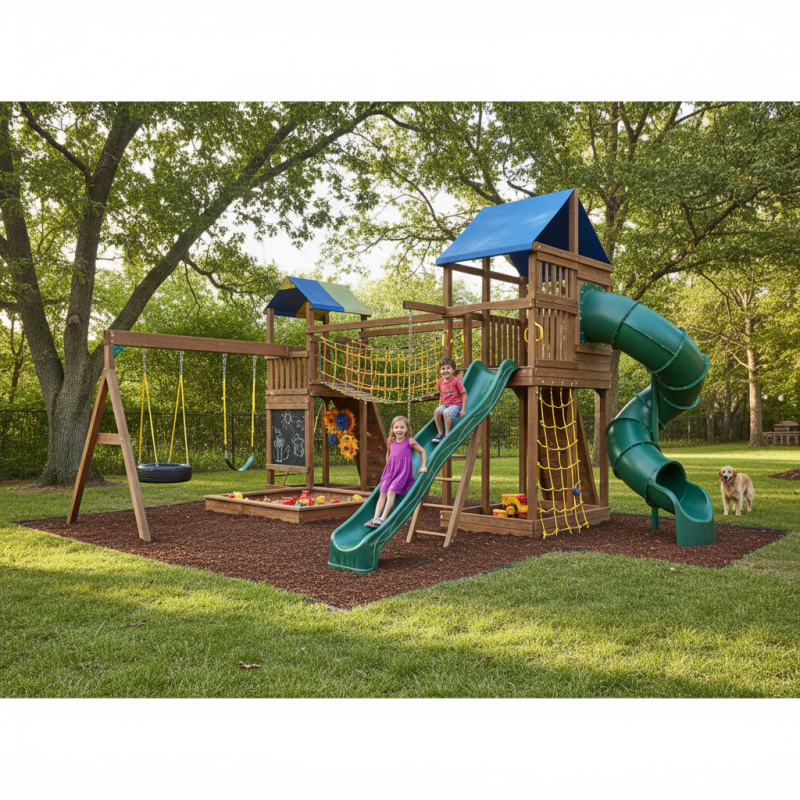
Understanding the Importance of Outdoor Play Structures for Child Development
Outdoor play structures are vital for child development. They encourage physical activity and improve motor skills. Children climb, slide, and swing, engaging their bodies. This active play helps build strength and coordination. It also promotes social skills during cooperative play. Kids learn to share, take turns, and communicate effectively.
Tips for choosing an outdoor play structure: consider your child's age and interests. Younger kids need safer, lower structures. Older children may enjoy complex designs. Think about space; the equipment should fit in your yard and allow safe movement. Durable materials are essential. They withstand weather and kids' energy. Periodically check for wear and tear.
Incorporating play into daily routines can be challenging. Kids may prefer screens, so finding balance is key. Set aside specific outdoor times. Be involved; play with them. This not only enhances their experience but also strengthens your bond. Allow room for creative play too; sometimes, simple items spark more imagination than complex structures.
Factors to Consider When Selecting an Outdoor Play Structure
When selecting an outdoor play structure, safety should be a top priority. According to a study by the U.S. Consumer Product Safety Commission, nearly 200,000 children visit emergency rooms each year due to playground-related injuries.
Ensure the structure is made from non-toxic materials, with rounded edges and smooth surfaces. Check for safety certifications that can provide additional peace of mind.
Space availability is another crucial factor. The size of your yard should dictate the dimensions of the play structure. A crowded area can increase the risk of accidents.
A report from the American Academy of Pediatrics suggests maintaining at least six feet of clearance around play structures. Consider the ages of the children who will play. Different age groups need different features for optimal enjoyment and safety.
Lastly, think about versatility and growth. Structures that can adapt as your children age are wise investments.
Look for options that offer various activities, like climbing, sliding, and swinging. This ensures continuous engagement. Parents often realize too late that a static structure quickly loses its luster.
Keep in mind that outdoor play fosters creativity, but the right structure is essential for safety and fun.
Types of Outdoor Play Structures Available for Children
When selecting an outdoor play structure, it's essential to consider various types available for children. One popular option is the classic swing set. Kids love swinging high and feeling the breeze on their faces. Swing sets come in different configurations. Some include slides, climbing walls, or even monkey bars. The variety allows children to explore different play styles.
Another option is the playhouse. These mini structures can spark creativity and imagination. Children often spend hours pretending to cook, host tea parties, or play house. They provide a safe space for make-believe games. However, parents should ensure these houses have proper ventilation and easy access.
Climbing frames are also gaining popularity. They help improve physical strength and coordination. However, not all climbing frames are created equal. Some may lack stability or safety features. It's crucial to assess the frame's quality before purchase. Some parents might overlook this detail and later face issues with wear and tear. Thus, do thorough research to find a balance between fun and safety.
Safety Standards and Material Quality in Play Structures
Choosing the right outdoor play structure is essential for children's safety. Many structures are made from wood, metal, or plastic. Each material has different safety standards to consider. For instance, wood should be untreated, avoiding toxic chemicals. Metal can become hot in the sun, leading to burns. Assessing these materials can prevent accidents.
It's crucial to check for safety certifications on play structures. Look for markings indicating compliance with safety standards. This can give peace of mind regarding durability and child-friendly design. However, not all manufacturers adhere to the same rules. Some products may cut corners. Parents should stay vigilant and read reviews before making a choice.
Consider the structure’s design carefully. Sharp edges and small parts can pose risks. Although many play structures are marketed as safe, constant supervision is still necessary. Accidents may happen, even with the best intentions. Therefore, engage children to reflect on their play experience. Their feedback can help improve safety. Always prioritize safety and quality when selecting an outdoor play structure for your little ones.
Comparison of Material Quality in Outdoor Play Structures
This chart illustrates the durability ratings of various materials used in outdoor play structures, helping you to choose the best option for your kids based on safety standards and material quality.
Budgeting and Space Considerations for Your Outdoor Play Area
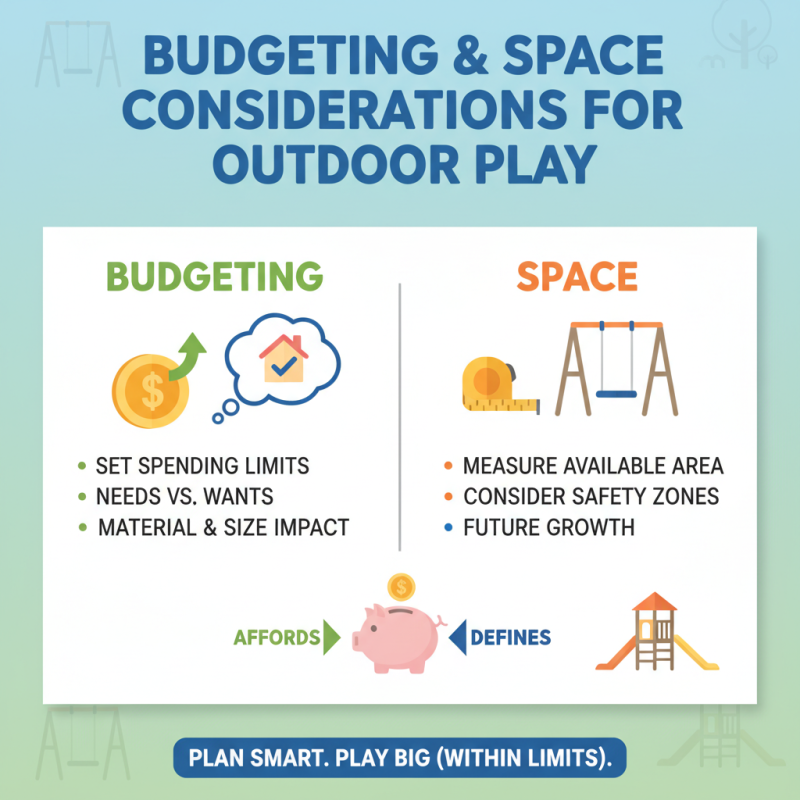
When planning an outdoor play area, budgeting is essential. Think about how much you can spend. This decision affects everything, from the size of the structure to the materials used. It’s easy to dream big, but those dreams must fit your wallet. Consider what you really need versus what you want.
Space also plays a critical role. Measure your yard before shopping. Is your available space large enough for a play structure? It’s easy to want a huge slide or a climbing wall. However, cramped spaces can limit children's safety and playtime enjoyment.
Tips: Set a budget that allows for extras, like safety mats or landscaping. Remember to leave some open space for free play. Kids need room to run! Also, consider the age of your children. A too-large structure may be intimidating for younger kids.
Let’s be honest, sometimes the perfect play structure may not fit both budget and space. That’s okay! Flexibility is key. Consider DIY options or smaller pieces that can grow with your kids. Adaptability can make all the difference in creating a space they will love.
 +86-13901441113

 CONTACT NUMBER
 CONTACT NUMBER