How to Choose the Best Outdoor Playground Toys for Kids?
Choosing the right outdoor playground toys for kids is crucial. These toys promote physical activity and social skills. According to a report by the American Academy of Pediatrics, active play contributes to healthy development. It helps prevent obesity and fosters motor skills.
Outdoor playground toys come in various shapes and sizes. Parents often feel overwhelmed by the options. Some toys may not be durable or safe. Safety guidelines suggest checking for certifications. Many toys should be age-appropriate to prevent injuries.
When selecting toys, consider your child’s interests and abilities. Engaging toys can encourage exploration and learning. However, some popular toys may lack educational value. Reflecting on quality over quantity is essential. Making informed choices ensures your child's playtime is both fun and safe.
Understanding Different Types of Outdoor Playground Toys for Kids
Choosing the right outdoor playground toys for kids is essential for their development and fun. Different types of toys serve various purposes.
Slides, swings, and climbing frames encourage physical activity. Kids develop strength and coordination when they climb and slide.
However, choosing the right size and material is crucial. Not all structures are suitable for every age group.
Other toys include sandboxes and water tables. These encourage imaginative play and creativity. Kids enjoy
building, digging, and experimenting with different textures. Yet, sanitation can be a concern. Regular cleaning is needed to ensure safety.
Additionally, parents must supervise playtime to avoid accidents.
Don’t forget about balance and coordination toys, like seesaws and balance beams. Such toys challenge kids physically and cognitively.
But, they may require adult supervision to prevent falls. Each toy offers unique benefits, but careful consideration is necessary.
Parents should think about the play area and the children's interests. Choosing toys should be
fun but thoughtful too.
Assessing Age Appropriateness for Outdoor Play Options
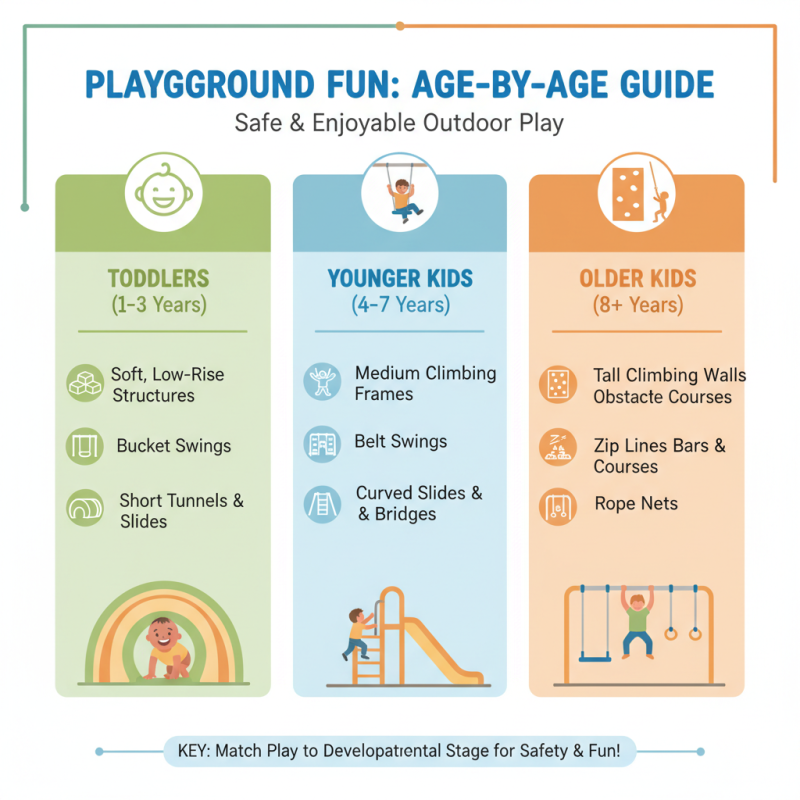
Choosing age-appropriate outdoor playground toys for kids is crucial for their safety and enjoyment. According to industry reports, toys should match a child's developmental stage. For instance, toddlers may benefit from softer, more controlled play structures. Meanwhile, older children often seek challenges that stimulate their physical abilities.
Tips: Look for toys designed for children aged three and up. Ensure they feature smooth edges and non-toxic materials. Pay attention to weight limits. This helps prevent accidents.
Playground equipment should not be too daunting for younger kids. Studies show that overly complex toys can lead to frustration and injuries. However, gear that is too simple might not engage older kids. It’s essential to strike the right balance and keep all age groups interested.
Tips: Observe how children interact with different toys. If they show signs of boredom or fear, reconsider your choices. Additionally, check for safety certifications. They provide essential assurance that the toys meet official safety standards.
Evaluating Safety Standards and Materials for Playground Equipment
When choosing outdoor playground toys, safety standards are crucial.
The U.S. Consumer Product Safety Commission (CPSC) reports that over 200,000 children visit emergency rooms annually due to playground injuries.
This highlights the importance of evaluating materials and design in playground equipment.
Look for toys made from high-quality materials. Equipment should be durable and free from sharp edges.
Non-toxic plastics and treated woods are ideal.
Avoid items with small parts that pose choking hazards. According to a study by the National Program for Playground Safety,
equipment should also meet ASTM standards for performance and safety. These standards help prevent accidents.
Ground surface matters too. A safe play area should have materials like rubber mats or mulch.
These surfaces absorb impact and reduce injury risk.
Some parents overlook maintenance. Regular inspections for wear and tear can save lives.
Always ensure that equipment is age-appropriate. Too often, children use gear meant for older kids, leading to preventable injuries.
Awareness is key.
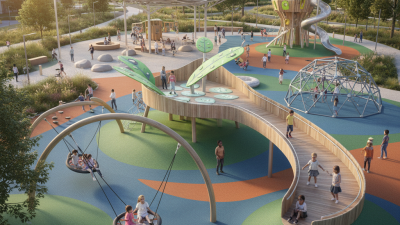
Considering Space and Design for Your Outdoor Play Area
When designing an outdoor play area, space and layout are crucial considerations. A survey by the American Academy of Pediatrics found that proper play environments can enhance children's physical and social development. Ideally, you should have at least 30 square feet per child to ensure safety and encourage exploration. Countless parents overlook this basic guideline. Making adjustments after installation is difficult and costly.
Design plays a significant role in attracting children to play. Diversity in toys and structures keeps kids engaged. A report from the International Playground Equipment Manufacturers Association states that children are more likely to play when the equipment offers various challenges. Incorporating climbing structures, swings, and sensory play elements can stimulate interest. However, striking the right balance is essential; overcrowding can cause confusion and deter play.
Parents often underestimate the importance of shade. In hot climates, shaded areas protect children from sunburn and heat exhaustion. A study revealed that children are more active in cooler environments. Failing to consider temperature control can lead to neglected play zones. Regular adjustments based on children's preferences and seasonal changes can create a dynamic environment that evolves with your kids.
Budgeting for Quality Outdoor Playground Toys for Children
When budgeting for outdoor playground toys, start by setting a clear budget. Determine how much you can spend without stretching your finances. Think about the durability and longevity of the toys. Spending a bit more initially may save money on replacements later. Quality toys often endure the weather and heavy use better than cheaper options.
Consider the different types of outdoor toys available. Balancing between swings, slides, and climbing structures is key. Look for toys that offer physical challenges and encourage creative play. You might find that some multipurpose items can fit your budget while meeting various play needs. Reflect on your child’s interests, as this can help guide your choices.
Don't overlook the potential of second-hand options. Gently used toys can be a budget-friendly choice. Just ensure they are safe and in good condition. This choice can lead to unique finds that really spark joy. Think about the space available in your yard. Sometimes, too much can overwhelm both kids and parents. A focused selection might lead to more enjoyable playtimes.
 +86-13901441113

 CONTACT NUMBER
 CONTACT NUMBER