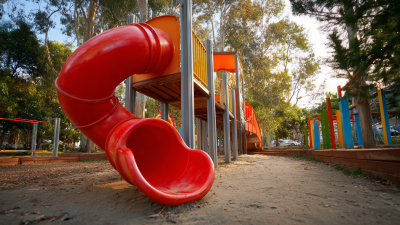
How to Choose the Best Playground In The Park for Kids?
Choosing the right playground in the park for kids is essential for their development. According to the National Association for the Education of Young Children (NAEYC), outdoor play enhances children's physical skills and social interactions. Quality playgrounds offer opportunities for children to explore, climb, and interact with peers.
Yet, many parents overlook important factors when selecting a playground in the park. Safety is paramount. The Consumer Product Safety Commission (CPSC) states that thousands of children are injured on playgrounds each year. This statistic emphasizes the need for careful evaluation of equipment and surface materials. Ensuring the playground is well-maintained and age-appropriate is crucial.
In addition to safety, consider the play equipment variety. Some parks may lack engaging features. A well-designed playground in the park should cater to different interests and abilities, fostering inclusivity. Parents should also ponder the proximity to home to encourage frequent visits. While parks may appear similar, the right choice impacts a child's experience and enjoyment.
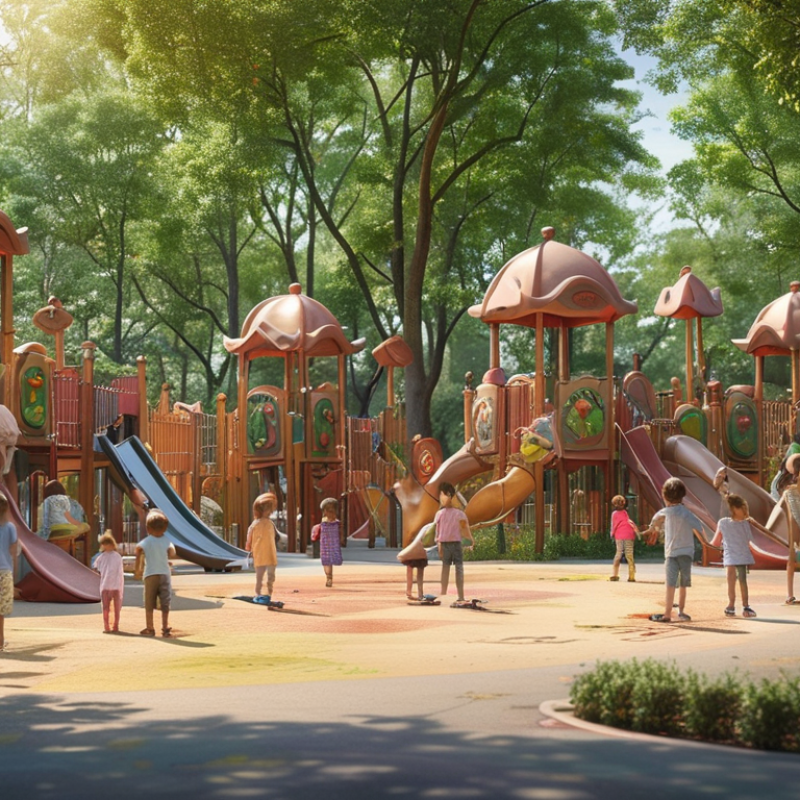
Factors to Consider When Selecting a Playground for Children
Choosing the right playground for children involves careful consideration. Safety is paramount. According to the American Academy of Pediatrics, about 200,000 children visit emergency rooms annually due to playground injuries. Look for equipment that meets safety standards. Check for soft surfaces like rubber or mulch to minimize falls.
Age-appropriate features also matter. Equipment designed for toddlers should differ from what’s available for older kids. The National Association for Sport and Physical Education suggests active play fosters development. Ensure swings, slides, and climbing structures are suitable for their age group. Diverse play options encourage social skills and physical growth.
Consider the overall environment. Shade is important, especially in warmer months. Check for nearby seating for caregivers. Access to clean restrooms can enhance the experience. Some parks offer natural elements like trees and water features. Such elements can inspire imaginative play but may also pose challenges regarding supervision. Always reflect on the balance between exploration and safety.
Factors to Consider When Selecting a Playground for Children
Safety Features to Look for in a Playground Structure
When choosing a playground for kids, safety features are crucial. Look for equipment made of durable materials. The structure should be free from sharp edges or protruding elements. Check that the play equipment has proper safety certifications. This ensures that it meets industry standards for child safety.
Soft landing surfaces are essential to minimize injury risks. Look for rubber mats, sand, or wood chips underneath climbing areas. These materials absorb impact better than hard concrete. Regular maintenance is necessary too. Ensure the park administration inspects the playground frequently for wear and tear.
Visual barriers can be helpful, but they may also create hidden areas. This can lead to unsupervised play. Ensure sightlines are clear for caregivers keeping an eye on their kids. Features like enclosed slides and rounded corners enhance safety, but they shouldn’t restrict fun. Reflect on the balance between excitement and safety when selecting a playground.
Age Appropriateness of Equipment for Different Child Development Stages
When selecting a playground, consider the age appropriateness of equipment. Different stages of child development require specific types of play to thrive. For toddlers, simple structures with soft surfaces are essential. They need low slides and gentle swings to safely explore their environment. These features help build gross motor skills and encourage independence.
For preschoolers, slightly more challenging equipment is suitable. Climbing frames and interactive panels stimulate curiosity and social interaction. Kids start to engage in cooperative play. Playgrounds should foster this by providing spaces where they can navigate together. However, some equipment may appear too advanced for their boldness. It's important to observe how they interact with larger structures.
School-age children benefit from varied play options. They enjoy climbing walls and agility courses. These elements promote strength and coordination. Yet, overcrowded play areas can lead to frustration or accidents. Some children might hesitate on higher equipment. Ensuring proper supervision and adequate space can create a safer environment for all. Each piece of equipment should align with the children's developmental milestones for them to flourish.
Accessibility and Inclusivity in Playground Design
When selecting a playground, accessibility and inclusivity are critical factors. Playgrounds should cater to all children, including those with disabilities. This promotes social interaction and shared play experiences. Look for equipment that allows easy access for children with mobility challenges. A smooth surface and ramps are essential features.
Tip: Check for sensory play areas. These zones provide diverse engagement for kids with sensory processing differences. Swings with harnesses can safely accommodate various needs. Inclusive designs not only benefit children with disabilities but enhance fun for everyone.
Consider the layout of the playground. It should be open and visible to caregivers while offering sheltered spaces for quiet moments. Play structures should encourage collaborative play, bridging gaps between abilities.
Tip: Engage with community members for feedback on playground designs. Their insights can reveal areas needing improvement or enhancement. Every child deserves a joyful play experience, and thoughtful design can create that environment.
Additional Amenities to Enhance Playground Experience for Families
When selecting a playground, additional amenities can greatly enhance the family experience. Research indicates that parks with well-maintained restrooms see a 30% increase in family visits. This simple addition can make outings more enjoyable and less stressful for parents, allowing for longer play sessions.
Another valuable amenity is shaded seating. A study published by the National Recreation and Park Association found that playgrounds with shaded areas had a 25% higher usage rate. Parents appreciate having a comfortable place to relax while keeping an eye on their kids. These spaces create a social environment, encouraging families to connect.
Playgrounds can also benefit from incorporating sensory play elements. According to the Outdoor Foundation, interactive features like musical instruments and textured surfaces promote cognitive and social development. However, it’s crucial to consider maintenance. Neglected amenities can deter families, making it imperative to prioritize upkeep to ensure a welcoming atmosphere.
 +86-13901441113

 CONTACT NUMBER
 CONTACT NUMBER