2026 How to Create a Fun Garden Play Area for Kids?
Creating a Garden Play area for kids can be a delightful challenge. It requires imagination, planning, and a touch of creativity. A well-designed space encourages outdoor play, boosts physical health, and allows children to connect with nature.
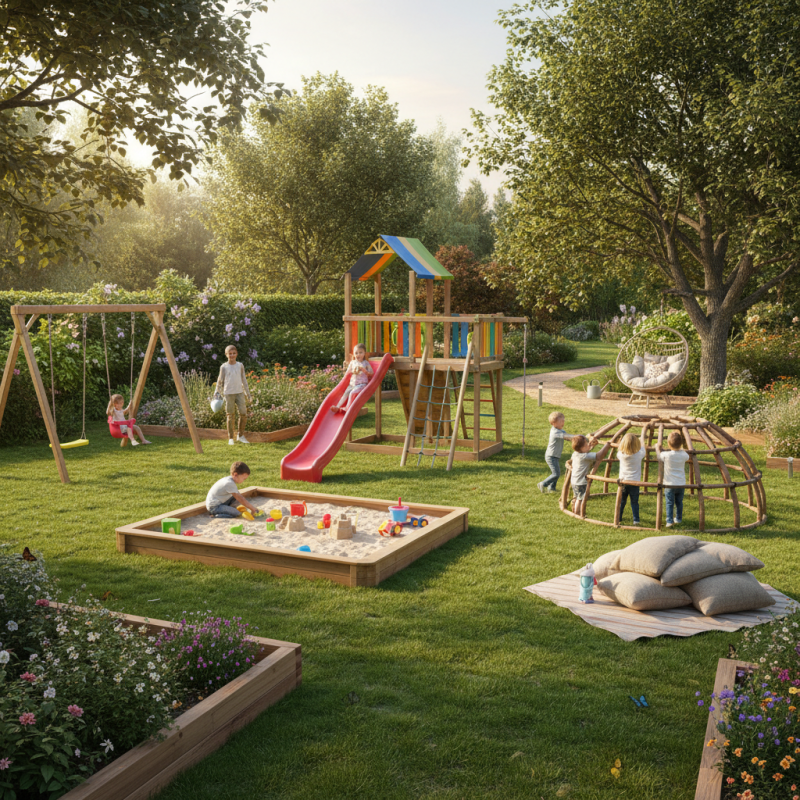
Consider various elements when designing your Garden Play area. Incorporate colorful play structures, soft grass, and perhaps a sandbox. You might add climbing frames or slides. Don't forget cozy spots for rest. You want to blend safety with fun. The layout should be inviting.
However, remember that not every idea will work perfectly. Sometimes, what seems exciting may not engage the kids as expected. Observing their interactions can provide valuable insights. This process will undoubtedly teach you about preferences and creativity in play. Your Garden Play area should evolve with them.
Choosing the Right Location for Your Kids' Garden Play Area
Choosing the right location for your kids' garden play area
is crucial. Look for a flat, shaded space. It should be away from dangerous plants and pathways.
Consider areas close to your home for easy supervision. Think about drainage too.
Avoid spots where water tends to pool.
The surrounding environment matters. Trees can provide shade but may drop leaves
and debris. Choose a spot with good visibility. You want to keep an eye on your kids while they play.
Also, consider noise levels. Play areas near busy streets can be noisy and distracting.
Finally, reflect on accessibility. Ensure the area is reachable for all ages. It can be frustrating if your little ones
struggle to get to their play zone. Think about how the space will be used over time. Kids grow, and their interests change.
Flexibility in the layout can help keep playtime fun.
Selecting Safe and Durable Play Equipment for Outdoor Fun
Creating a fun garden play area for kids involves selecting safe and durable play equipment. Safety should be the top priority. The Consumer Product Safety Commission (CPSC) reports that about 200,000 children visit emergency rooms each year due to injuries from play equipment. Choosing the right materials can significantly reduce these risks.
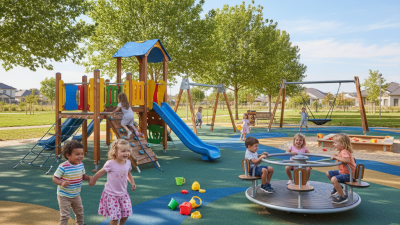
When selecting equipment, consider age-appropriate designs. Structures should be sturdy yet accessible. Use equipment with rounded edges and non-toxic finishes. The National Program for Playground Safety suggests that soft landings, such as rubber mats or wood chips, are essential. They help cushion falls and prevent injuries.
Durability is key. Wooden structures may look appealing, but they require regular maintenance. Metal equipment tends to last longer in outdoor conditions if properly treated against rust. Also, consider weather-resistant plastics. They can withstand tough elements. It’s important to review local climate impacts when making your choice. Regular inspections can ensure equipment remains safe. This proactive approach can reflect a commitment to the kids' safety and enjoyment.
Incorporating Nature and Gardening Activities for Learning
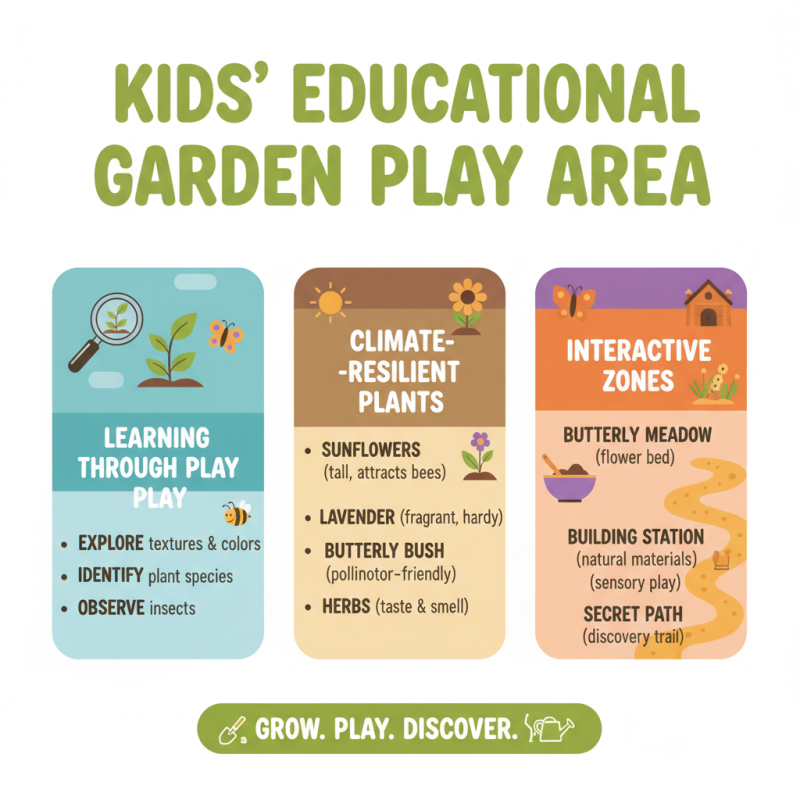
Creating a garden play area for kids is an exciting project. It’s essential to incorporate learning through play. Consider adding various plants that thrive in your climate. Kids can learn about different species while exploring textures and colors. Incorporate flower beds that attract butterflies or bees. This creates a dynamic and educational space.
Involve children in gardening activities. Start simple with planting seeds. Watching them grow teaches patience and responsibility. Organize nature scavenger hunts to encourage exploration. Children can collect leaves, rocks, or flowers. These activities spark curiosity about the environment. Yet, it’s vital to recognize that not all plants are child-safe. Always research before planting.
Think about building small structures, like a trellis or birdhouse. These add an interactive element. Kids can learn about construction and design. However, ensure safety first. Avoid sharp edges or unstable materials. Reflect on what works best for your space. A balance of fun and education creates a truly engaging garden.
Creating Themed Zones for Imaginative Play and Exploration
Creating themed zones in a garden play area can spark a child's imagination. Each zone can reflect a unique theme, encouraging exploration and creativity. For instance, a pirate ship zone could feature a sandbox shaped like a boat. Children can dig for "buried treasure" while enjoying the sun.
Another idea is a space dedicated to nature exploration. Incorporate flower beds and bug hotels. Children can learn about gardening and observe insects in their natural habitat. Mixing educational elements with play can make the experience more engaging.
Tips: Allow kids to help design the zones. This gives them ownership and boosts their creativity. Choose durable materials that withstand weather changes. Safety should be a priority, so check for sharp edges. Lastly, encourage free play without strict rules. Let kids discover their own adventures.
2026 Fun Garden Play Area Features
Adding Safety Features and Maintenance Tips for Longevity
Creating a fun garden play area for kids involves more than just design. Safety features are essential for everyone’s peace of mind. Soft surfaces like mulch or rubber mats should cover the ground. This helps prevent injuries from falls. Always check for sharp edges on any equipment. Regular maintenance is key here.
Tips to ensure safety include:
- Regularly inspect play equipment for wear and tear.
- Ensure fences are sturdy and gates latch properly.
- Remove any potential hazards, like low-hanging branches.
Also, consider the location of the play area. Ideally, it should be away from water features or busy paths. Keep the area clear to avoid accidents. For longevity, select weather-resistant materials wherever possible.
Regular cleaning is also crucial. Dirt can create slippery surfaces. Schedule thorough clean-ups every season. Encourage kids to help in small ways. It’s a fun activity and teaches responsibility. Safety shouldn’t feel like a chore; it can be part of the fun!
 +86-13901441113

 CONTACT NUMBER
 CONTACT NUMBER