Why Outdoor Playground Toys Are Essential for Child Development?
Outdoor Playground Toys play a crucial role in child development. Numerous studies show that outdoor play fosters physical health and emotional well-being. According to the Centers for Disease Control and Prevention, children aged 6-11 should engage in at least 60 minutes of physical activity daily. Outdoor Playground Toys not only facilitate this activity but also enhance social interactions.
Research indicates that children who regularly engage with Outdoor Playground Toys demonstrate improved motor skills and cognitive abilities. The National Association for Sport and Physical Education emphasizes that active play encourages imaginative thinking and teamwork. However, access to well-maintained outdoor spaces remains a challenge. Many communities lack safe playgrounds, hindering opportunities for children to explore and interact.
The benefits of Outdoor Playground Toys extend beyond mere play. They provide essential experiences that shape a child’s growth and development. Yet, we must remember that not all toys are equal. The design and safety of these toys require careful consideration. Parents and educators should advocate for high-quality, safe options to maximize the developmental benefits.
The Role of Outdoor Playground Toys in Enhancing Physical Development
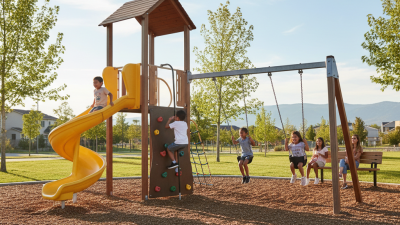
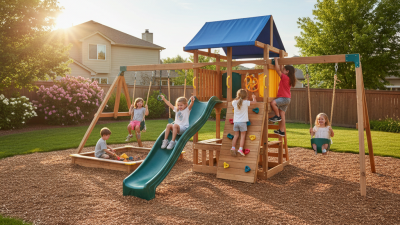
Outdoor playground toys play a crucial role in physical development for children. They encourage active play, which is vital for growing bodies. Climbing structures help build strength and coordination. Swing sets improve balance and promote cardiovascular health. These activities contribute to a child's overall fitness.
Engaging with outdoor toys also fosters social skills. Kids learn to share and cooperate during play. However, not all children take to these toys equally. Some may feel intimidated by heights or crowded spaces. It's essential to create a supportive environment. Parents can encourage their child to take small steps in overcoming fears.
Physical activity outdoors boosts not just physical health but also mental well-being. Nature stimulates children’s senses. Fresh air invigorates and enhances focus. Though not every child will gravitate to every toy, exploring options can lead to meaningful growth. Playgrounds provide an essential space for children to thrive physically and socially.
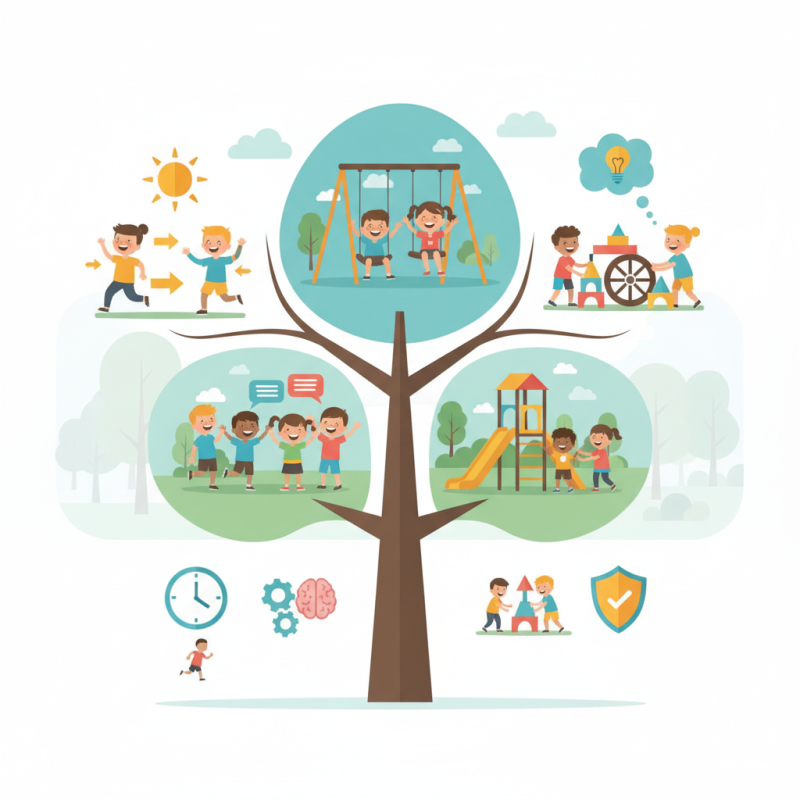
Impact of Outdoor Playground Toys on Key Areas of Child Development
How Outdoor Play Stimulates Cognitive Skills and Learning
Outdoor play is crucial for child development, particularly in enhancing cognitive skills. Studies show that engaging with outdoor playground toys can significantly boost a child's problem-solving abilities. According to the American Journal of Play, children who play outside are more likely to exhibit creativity and inventiveness. They learn to navigate complex environments, which challenges their minds and strengthens their cognitive processes.
When children interact with various toys, they practice decision-making. For instance, climbing structures encourage risk assessment and goal-setting. A report from the National Association for the Education of Young Children states that outdoor play can improve spatial awareness and coordination. As they explore, children learn about cause and effect. For example, throwing a ball teaches them about physics—how fast it goes and where it lands.
However, not all outdoor play experiences are equal. Some environments may lack sufficient stimulation, which can hinder cognitive development. It's essential to ensure that outdoor spaces are designed to promote exploration and interaction. Moreover, children also need guidance to fully benefit from these experiences. Play, without reflection, can lead to missed opportunities for learning. Balancing free play with structured activities can provide the best outcomes.
Social Interaction and Emotional Growth Through Playground Activities
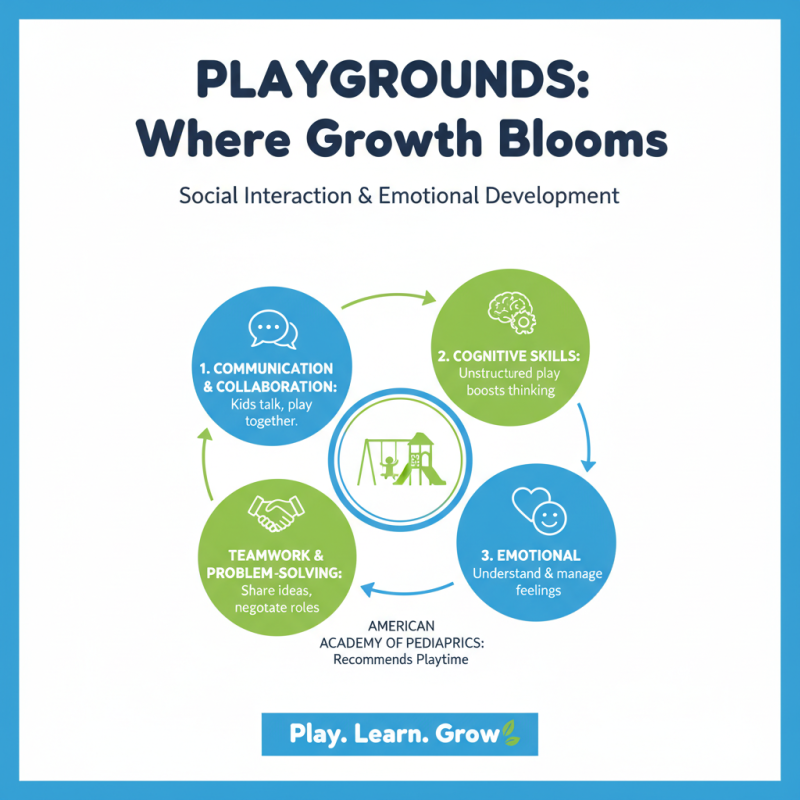
Playground activities provide crucial opportunities for social interaction among children. When kids play together, they learn to communicate and collaborate. According to the American Academy of Pediatrics, unstructured playtime enhances cognitive skills and emotional intelligence. In a playground setting, children share ideas and negotiate roles, fostering teamwork and problem-solving abilities.
Moreover, outdoor playground toys promote emotional growth. Playing with peers helps kids understand empathy and develop emotional resilience. Research from the National Association for the Education of Young Children (NAEYC) shows that children engaged in cooperative play are better at managing their emotions. While conflicts may arise, resolving disputes teaches vital conflict resolution skills.
However, not all children thrive in playground environments. Some may feel overwhelmed or shy. It's important to create inclusive spaces that cater to varying needs. Ensuring that toys and equipment are diverse helps children engage at their own comfort levels. Reflecting on these dynamics is essential for enhancing children's playground experiences.
The Impact of Nature and Fresh Air on Child Well-being and Behavior
Nature offers a unique classroom for children. Outdoor playground toys encourage active play in natural settings. Exposure to fresh air improves mood and enhances focus. Children can run, climb, and explore, developing their physical and mental skills. Nature stimulates their senses. Bright colors, different textures, and sounds engage them in ways indoor play rarely can.
Tips for parents: Encourage outdoor playtime daily. Even short bursts of activity can make a difference. Set aside a designated area for exploration, where children can safely interact with nature. Create a routine that includes outdoor time, regardless of weather. Rainy days can mean puddle jumping; sunny days can lead to exciting adventures.
Being outdoors also fosters social skills. Kids learn to share and cooperate. However, supervision is key. Assess the play area for safety, ensuring it is free from hazards. Sometimes, children can feel overwhelmed. Observe their behavior and give them space if needed. It's important to create a balance between guided play and independent exploration.
Why Outdoor Playground Toys Are Essential for Child Development?
| Dimension |
Description |
Impact on Child Development |
| Physical Activity |
Engaging with outdoor toys encourages physical movement and exercise. |
Increases strength, coordination, and overall physical health. |
| Social Skills |
Playing with others outside promotes teamwork and communication. |
Enhances ability to make friends and work collaboratively. |
| Creativity |
Outdoor environments inspire imaginative play and creativity. |
Fosters problem-solving skills and innovative thinking. |
| Emotional Well-being |
Exposure to nature and fresh air reduces stress and anxiety. |
Promotes happiness and a positive mental state. |
| Connection to Nature |
Interacting with outdoor toys fosters a love for the environment. |
Encourages environmental stewardship and appreciation. |
Safety Considerations in Selecting Outdoor Playground Equipment for Kids
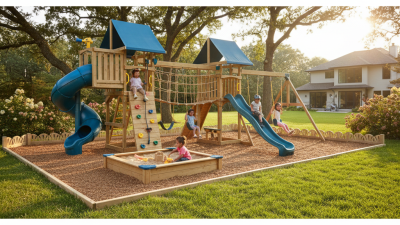
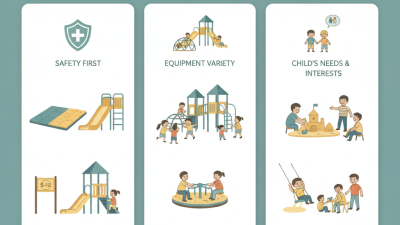
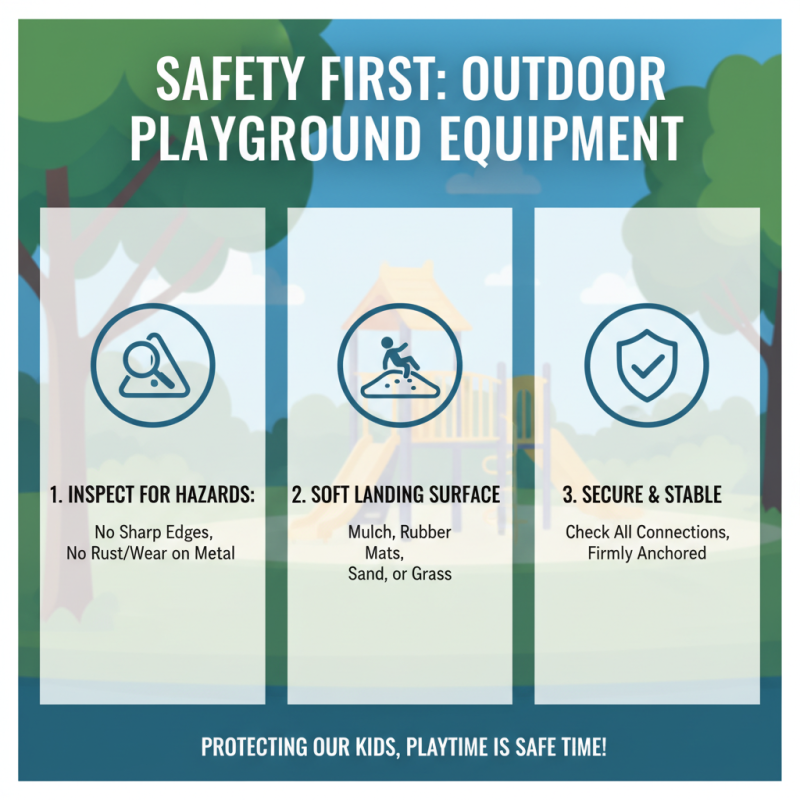
When selecting outdoor playground equipment for kids, safety is paramount. Parents should thoroughly inspect equipment for potential hazards. Sharp edges can cause injuries. Check for rust or wear on metal parts that could affect stability. Ensure the surface underneath is soft and impact-absorbing. Grass, mulch, or rubber mats can protect against falls.
Supervision is key during playtime. Kids can be unpredictable, running and jumping without a care. It's essential to have adults nearby to monitor activities. This way, any risky behavior can be corrected promptly. Age-appropriate equipment is crucial. A structure meant for toddlers can pose dangers to older children and vice versa.
Many factors influence the safety of outdoor toys. Weather conditions can lead to slippery surfaces. Toys may also degrade over time; regular maintenance is necessary. Some playgrounds might not meet safety standards, which can be alarming. Researching local playgrounds and understanding their safety records is a practical step. Trust in professional guidelines can help parents make informed choices.
 +86-13901441113

 CONTACT NUMBER
 CONTACT NUMBER