Top Outdoor Play Sets for Fun and Adventure in Your Backyard?
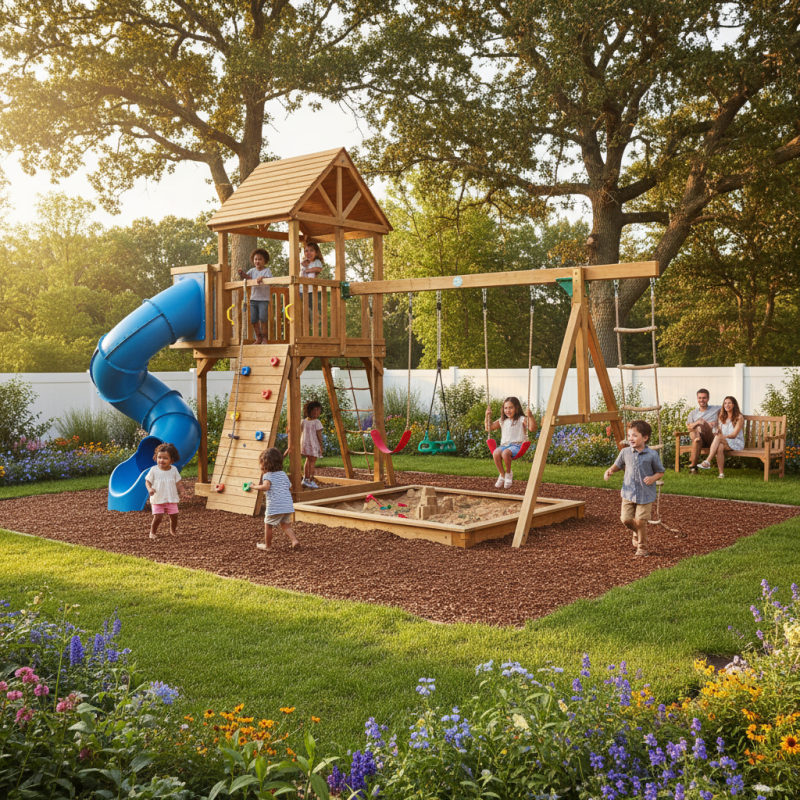
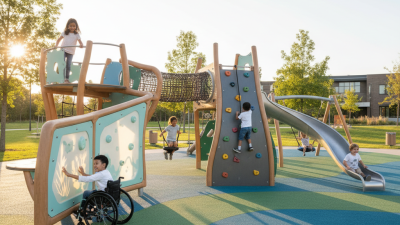
Creating a vibrant backyard is key to fostering adventure and fun. Outdoor play sets can transform any garden into an exciting playground. They provide a space for kids to explore, climb, and create unforgettable memories.
Many types of outdoor play sets exist. Some have swings, slides, and climbing walls. These features engage children physically and mentally. However, choosing the right one can be overwhelming. Parents often face decisions about safety, space, and suitability.
Investing in outdoor play sets is not just about fun. It also encourages outdoor activity. Kids can socialize and develop crucial skills. Yet, it's important to regularly check the playset for safety risks. Over time, wear and tear may occur. Reflecting on upkeep can enhance the play experience.
Top Features to Look for in Outdoor Play Sets for Kids
When choosing outdoor play sets for kids, safety features are essential. Look for sturdy materials that can withstand rough play. Secure swings and slides should have protective barriers. Check if the design meets safety standards. These aspects can prevent accidents and provide peace of mind for parents.
Versatility is another key feature. Many play sets offer multiple activities, like climbing walls, monkey bars, and sandboxes. It keeps kids engaged and promotes physical activity. Consider the age range that a play set accommodates. Some models grow with your child, which can be a worthwhile investment.
Finally, think about the play set's size and space requirements. Measure your backyard to ensure a proper fit. Avoid overcrowding. You want a safe, open area for kids to run and laugh. While aesthetics matter, practicality should come first. The goal is endless fun and adventure.
Top Outdoor Play Sets for Fun and Adventure in Your Backyard
The Impact of Outdoor Play on Child Development and Well-Being
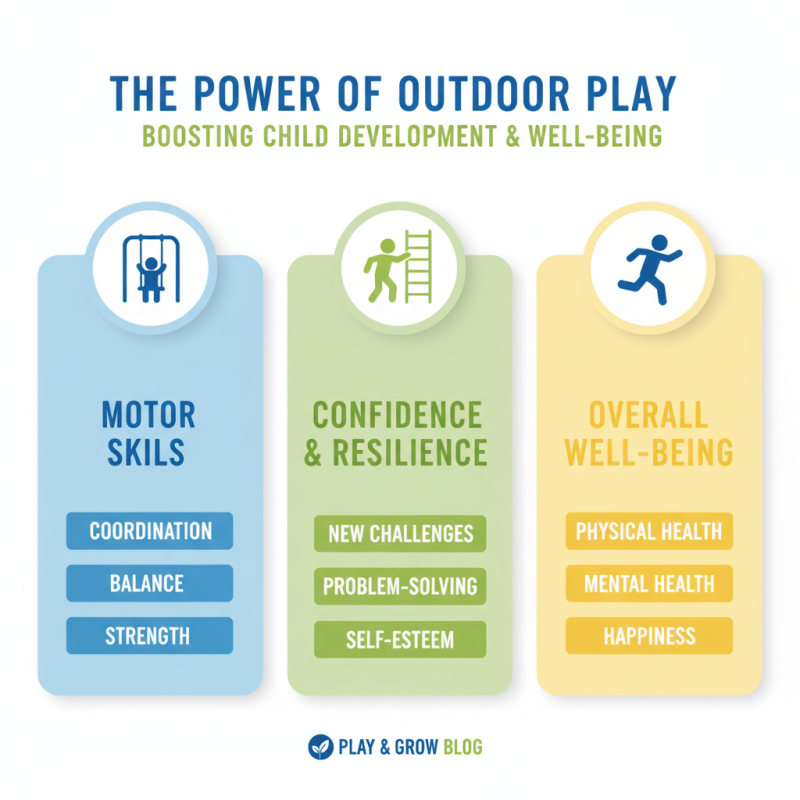
Outdoor play significantly contributes to child development and well-being. Engaging in physical activities helps children build important motor skills. Swinging, climbing, and running all promote coordination and balance. These activities boost confidence as children master new challenges in their own backyard.
Moreover, outdoor play enhances social skills. Children learn to cooperate with peers during games. They negotiate rules and share space in their play area. However, not all interactions are smooth. Conflicts may arise, but these moments are valuable for teaching conflict resolution. Reflecting on these situations can help children grow emotionally.
Finally, spending time outside offers a connection to nature. This can spark curiosity about the world around them. Children might examine insects or observe changing weather patterns. But sometimes distractions, like screens, pull them indoors. Finding a balance can be challenging. Encouraging outdoor exploration is essential for their overall development.
Popular Materials Used in Durable and Safe Backyard Play Sets
When selecting backyard play sets, materials play a significant role in their durability and safety. According to industry reports, wood is frequently preferred for its natural aesthetics and sturdiness. However, untreated wood can splinter, posing risks to children. Pressure-treated wood is an alternative, but it needs careful maintenance to ensure safety.
Plastic playsets offer lightweight options that resist weather damage. They are typically easier to clean and maintain but may not withstand heavy use as well as wood. Composites blend plastic and wood fibers, creating a sturdy structure. Research shows that these materials can reduce splintering and fading, making them safer and more visually appealing.
Metal play sets, such as those made from galvanized steel, are also popular. They provide excellent durability against the elements. However, metal can heat up under direct sunlight, posing a risk to little ones. Each material has its pros and cons, and choosing the right one involves understanding the specific needs of your family. Evaluating these factors is crucial for ensuring safe and enjoyable play experiences in your backyard.
Safety Standards and Regulations for Outdoor Play Equipment
When selecting outdoor play equipment, safety should be the top priority. Many families invest in swings, slides, and climbing frames for their backyards. Yet, not all equipment meets safety standards. It's crucial to verify if any play equipment has been certified. This helps ensure that it can withstand the wear and tear of children’s play.
Look for a sturdy design and appropriate materials. Many products are made from wood, metal, or plastic. Each material has its pros and cons. Wooden structures can splinter, while metal may rust. Plastic is lightweight but can fade over time. Parents should regularly check for any signs of damage.
There are also regulations regarding spacing and installation. Equipment should be placed away from obstacles like fences or trees. At least six feet of clearance is recommended for swings. Ground materials also matter. Grass can be soft, but consider rubber mats or wood chips for added safety. Be aware that not all options provide equal protection from falls. Regularly reassessing the equipment helps in maintaining a fun and safe play area for children.
Top Outdoor Play Sets for Fun and Adventure in Your Backyard
| Play Set Name |
Age Group |
Material |
Safety Features |
Price Range |
| Adventure Tower |
3-10 years |
Wood |
Rounded corners, non-slip ladders |
$400 - $800 |
| Joy Slide Combo |
2-8 years |
Plastic |
Safety railings, UV protection |
$150 - $300 |
| Explorer Climbing Frame |
5-12 years |
Metal |
Sturdy base, safety locks |
$250 - $600 |
| Fantasy Pal Playground |
3-10 years |
Wood Composite |
Anti-slip surfaces, soft edges |
$500 - $900 |
| Garden Swing Set |
2-6 years |
Steel |
Stable swing hangers, padded swing seats |
$100 - $250 |
Trends in Outdoor Play Set Design for Enhanced Fun and Adventure
The trend in outdoor play set design is evolving. More families are seeking innovative ways to enhance fun and adventure. According to a recent report by the International Association for the Leisure and Recreation Industry, nearly 70% of parents believe outdoor play enhances their children's creativity and independence.
Modern play sets now feature interactive elements like climbing walls, slides, and swings. These encourage physical activity and social interaction. For instance, open-ended play areas allow kids to explore their imagination. A study by the American Institute of Architects shows outdoor play can improve children's mental health and reduce stress. However, not all designs meet safety standards. Parents should carefully assess the structure's durability and safety features.
Sustainability is also becoming key in design trends. Many manufacturers are using eco-friendly materials. A survey indicates that nearly 60% of parents prefer products that are safe for the environment. Yet, some designs still use harmful chemicals, raising concerns. Choices in materials can significantly impact both safety and environmental footprint. Balancing adventure with safety is essential in today's outdoor play set market.
 +86-13901441113

 CONTACT NUMBER
 CONTACT NUMBER