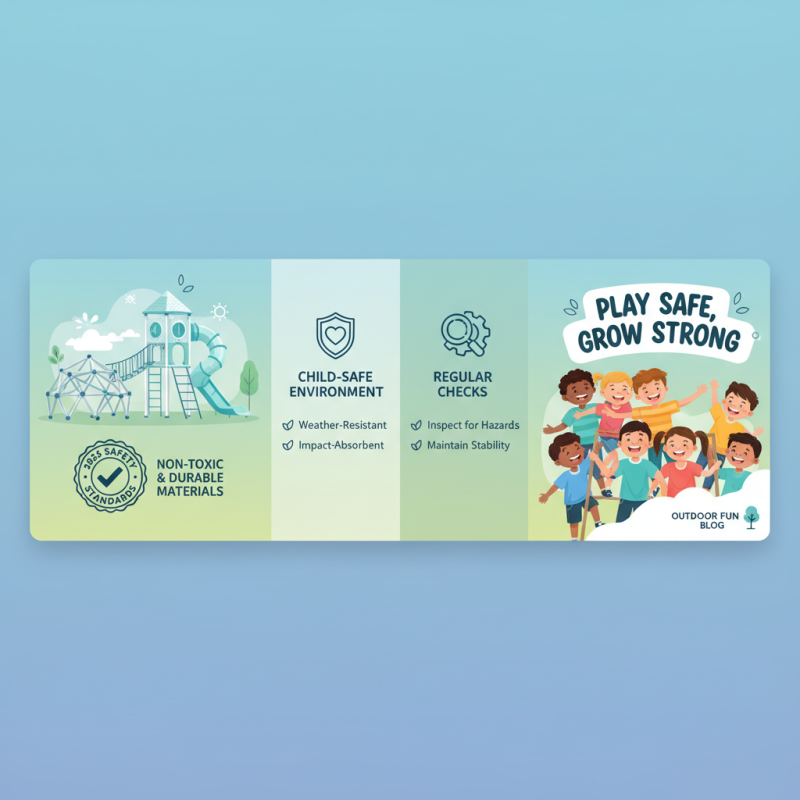
Top 2025 Outdoor Play Structures: Enhance Your Child's Fun and Safety
In today's fast-paced world, the importance of outdoor play for children cannot be overstated. As parents and caregivers strive to enrich their children's childhood experiences, the selection of the right Outdoor Play Structure becomes a pivotal decision. Not only does a well-designed play structure enhance the joy and creativity of outdoor play, but it also plays a foundational role in ensuring safety during these activities.
Choosing an appropriate Outdoor Play Structure requires careful consideration of various factors, including age appropriateness, safety features, and the potential for imaginative play. With a myriad of options on the market, understanding what makes a top-tier play structure can greatly influence a child’s development and happiness. This guide provides insights into the best outdoor play structures for 2025, spotlighting features that cater to fun, safety, and durability, ultimately setting the stage for countless joyful memories in the great outdoors.
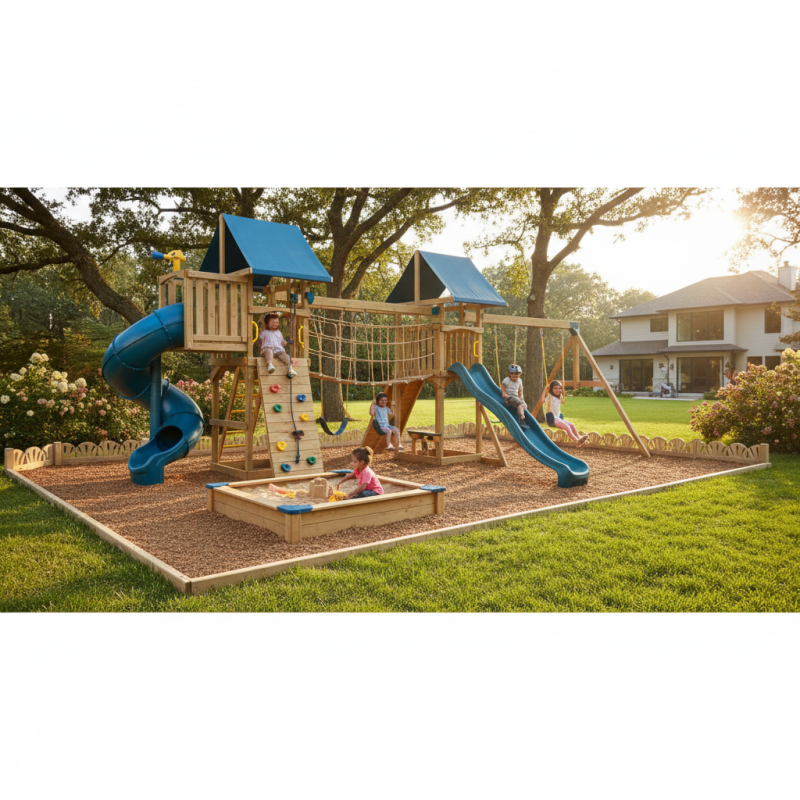
Top Outdoor Play Structures for 2025: A Comprehensive Overview
As outdoor play becomes increasingly vital for children's development, selecting the right play structures in 2025 is essential. In this comprehensive overview, we explore the top outdoor play structures designed to enhance children's fun while ensuring their safety. Innovative designs prioritize not only creativity and imagination but also robust safety features, catering to various age groups and preferences. These structures are crafted from durable, weather-resistant materials, ensuring longevity while minimizing the risk of injuries.
In addition to traditional swings and slides, modern play structures include interactive elements such as climbing walls, sensory play stations, and nature-inspired features. These aspects promote physical activity and social interaction, allowing children to explore their environment while engaging with peers. Furthermore, many designs emphasize inclusivity, ensuring that children of all abilities can participate in outdoor fun. Overall, the top outdoor play structures of 2025 are not just about play; they are about fostering a safe, engaging, and supportive environment for every child.
Top Outdoor Play Structures for 2025
| Play Structure |
Age Range |
Key Features |
Safety Ratings |
Material Type |
| Climbing Playhouse |
2-10 years |
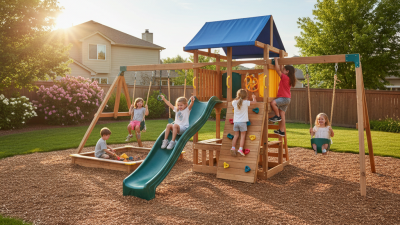
Climbing wall, Slide, Sandbox |
ASTM Certified |
Wood, Plastic |
| Swing Set Combo |
3-12 years |
Multiple swings, Climbing frame |
CPSC Compliant |
Metal, Plastic |
| Playground Fort |
5-12 years |
Towers, Slides, Fort space |
ISO Approved |
Wood, Composite |
| Adventure Playground |
3-10 years |
Obstacle course, Zip line |
Meets EN Standards |
Durable Plastic |
| Interactive Play Panel |
2-8 years |
Sensory panels, Musical features |
ASTM Certified |
Plastic |
Key Features to Look for in Safe Play Structures for Children
When selecting outdoor play structures for children, safety should be the foremost consideration for parents. Research indicates that play-related injuries contribute to over 200,000 emergency room visits annually in the United States alone, highlighting the importance of robust safety features in play equipment. According to the American Association for the Child’s Right to Play, safe play structures should incorporate materials that minimize injury risks, such as impact-absorbing surfaces and rounded edges. Additionally, structures should be made from non-toxic, durable materials that can withstand various weather conditions while ensuring no harmful substances are present.
Another key feature to assess is the design of the play structure itself. The American Society for Testing and Materials (ASTM) recommends that play structures be age-appropriate, ensuring that features cater to the developmental stages of children. For example, multi-level configurations can provide opportunities for both younger and older children, promoting social interaction and active play.
Moreover, secure anchoring systems are essential to withstand high winds and provide stability, reducing the risk of tipping accidents. Lastly, the inclusion of safety features such as guardrails, non-slip surfaces, and proper spacing between components will significantly enhance overall safety, making outdoor play not only enjoyable but secure for children.
Popular Materials Used in Outdoor Play Equipment: Pros and Cons
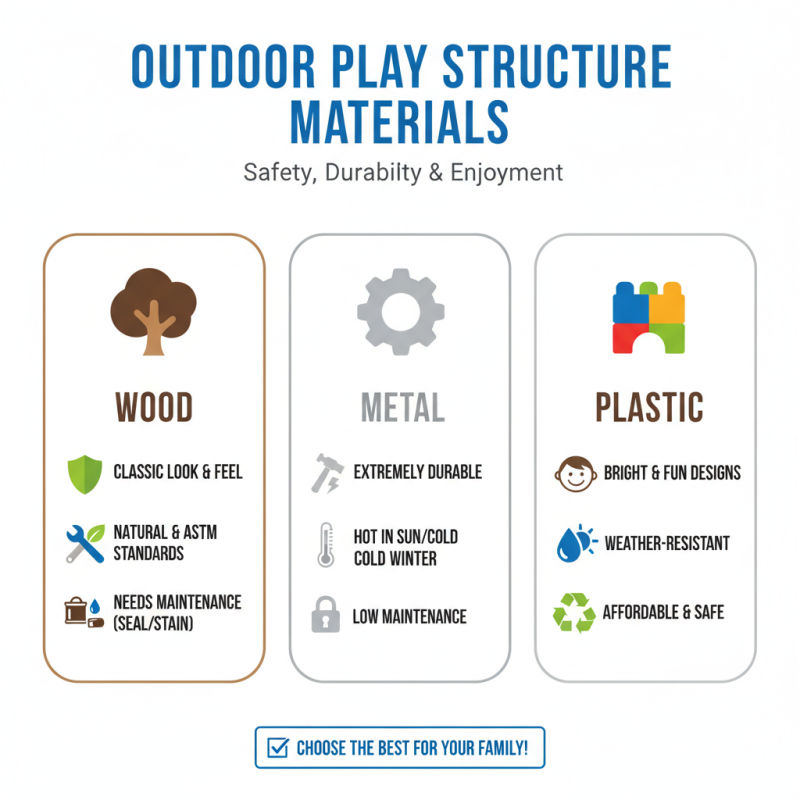
When considering outdoor play structures for children, the materials used play a critical role in both safety and enjoyment. Among the most popular options are wood, metal, and plastic. Wood, particularly pressure-treated or naturally rot-resistant varieties like cedar, offers a classic aesthetic that blends well into natural surroundings. According to the American Society for Testing and Materials (ASTM), wooden play structures should meet stringent safety standards to prevent splintering and ensure structural integrity. However, wood requires regular maintenance, such as sealing or staining, to withstand weather elements, which may result in higher long-term costs.
Metal play equipment, commonly crafted from galvanized steel, boasts substantial durability and strength. Reports from the International Playground Equipment Manufacturers Association indicate that metal structures can have longer lifespans compared to their wooden counterparts, often exceeding 20 years with minimal upkeep. Nonetheless, metal can heat up under direct sunlight, posing burn risks, particularly in summer months, and may require padded coverings to enhance safety.
Plastic, the lightest and often most colorful option, has gained traction due to its versatility and ease of installation. Many modern plastic play structures are made from recycled materials, aligning with eco-friendly initiatives in the playground equipment industry. While plastic is generally free from splinters and rust, studies show that it may not be as durable in extreme weather conditions compared to wood or metal. Families should weigh these pros and cons carefully, considering both immediate fun and long-term safety when selecting the ideal outdoor play structure for their children.
Innovative Designs in Outdoor Play Structures for Engaging Play
In 2025, outdoor play structures are evolving to enhance both fun and safety for children. Innovative designs focus on engaging play experiences that stimulate creativity while ensuring a secure environment. From natural materials that blend seamlessly with the landscape to multifunctional setups that encourage active play, today's outdoor structures are designed to foster imagination. Unique features like climbing walls, interactive panels, and sensory gardens are increasingly popular, providing opportunities for children to explore and learn as they play.
When selecting an outdoor play structure, consider the variety of play experiences it offers. Structures that incorporate elements such as slides, swings, and obstacle courses can cater to different interests and encourage physical activity. Additionally, look for designs that provide safe surfacing options, like rubber mulch or padded mats, which can minimize injuries during playtime.
It's also essential to prioritize safety while exploring these innovative structures. Regular maintenance checks can ensure that components are secure and safe for use. Setting clear playtime rules, alongside supervision, can help maintain a safe environment. Encourage children to engage in cooperative play, which not only fosters social skills but also promotes a shared sense of adventure in their outdoor pursuits.
Top 2025 Outdoor Play Structures: Enhancing Fun and Safety
Safety Standards and Guidelines for Outdoor Play Equipment in 2025
As outdoor play structures continue to evolve, safety standards and guidelines for such equipment are more crucial than ever in 2025. The primary focus is ensuring that all materials used are non-toxic and durable, able to withstand a variety of environmental conditions while providing a safe play environment for children. Regular inspections and maintenance checks are essential to identify any potential hazards, such as sharp edges or unstable installations, which could pose risks during play.
Moreover, adherence to safety standards requires manufacturers to design play structures that accommodate children of various ages and abilities. This includes ensuring that equipment is age-appropriate, with design features that promote safe usage such as secure handrails, padded surfaces, and impact-absorbing materials beneath the structure. Guidelines also emphasize the importance of providing ample space around play areas to prevent accidents. By following these safety standards, caregivers can enhance children's outdoor experiences while minimizing risks, fostering an environment where children can enjoy their playtime safely.
 +86-13901441113

 CONTACT NUMBER
 CONTACT NUMBER