Top Playground Equipment Buyers Guide for Global Sourcing?
The playground equipment industry has seen significant growth in recent years. According to a report by IBISWorld, the global market for playground equipment is expected to reach $3.3 billion by 2025. This growth is driven by an increasing emphasis on outdoor play and child development. Families and schools are prioritizing safe and engaging play environments.
When sourcing top playground equipment, buyers must consider several factors. Safety standards are vital. Equipment should meet ASTM and CPSIA guidelines. Material quality impacts durability and maintenance costs. In particular, recycled and eco-friendly materials are gaining traction. They appeal to environmentally conscious buyers.
However, navigating the market can be challenging. Not every supplier adheres to the same standards. Some products may look promising but fail in performance. It’s essential for buyers to conduct thorough research and vet suppliers rigorously. As the industry evolves, ensuring quality and safety remains paramount for anyone investing in top playground equipment.

Understanding the Importance of Quality Playground Equipment for Safety
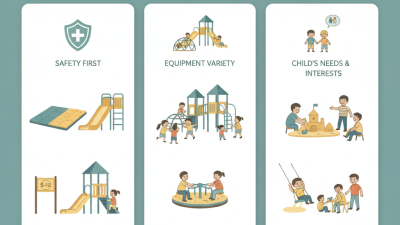
When it comes to playground equipment, safety should always come first. The quality of materials directly impacts the durability of playgrounds. Children often play energetically, which means that equipment must withstand heavy use. Rushed manufacturing processes can lead to subpar products. Choosing reputable manufacturers helps ensure that safety standards are met.
Parents and caregivers need to inspect equipment regularly. Worn-out parts can cause accidents. Equipment should be free from sharp edges and other hazards. Investing in high-quality playground equipment reduces the risk of injuries. Lightweight, flimsy structures may look appealing, but they often fail to provide proper support.
Sourcing equipment globally requires due diligence. It's vital to understand international safety regulations. Not all regions enforce the same standards. Researching suppliers and their practices ensures you make informed decisions. Remember, a beautiful playground is only safe if built well, with the right materials and oversight. Prioritizing quality above all else will create a safe environment for children to thrive.
Top Playground Equipment Buyers Guide for Global Sourcing
| Dimension |
Description |
Safety Rating |
Material Type |
Age Group |
| 3-5 Years |
Small slides and climbing structures |
ASTM F1487 |
Plastic |
3-5 years |
| 5-12 Years |
Swing sets and larger climbing walls |
EN 1176 |
Metal |
5-12 years |
| 12-15 Years |
High ropes courses and advanced climbing |
ISO 8124 |
Wood, Metal |
12-15 years |
| All Ages |
Inclusive play structures with accessible features |
CPSC |
Composite |
All ages |
Key Criteria for Selecting Playground Equipment Suppliers Globally
When selecting playground equipment suppliers globally, several key criteria come into play. Start by assessing the supplier’s experience in the industry. An established company often understands safety standards well. They are likely to provide equipment that meets various international regulations. Research their track record with previous customers.
Quality assurance is vital. Review the materials they use. High-quality materials ensure durability. Suppliers should offer detailed specifications and testing results. Investigating the supplier’s manufacturing process can expose potential weaknesses. Are they using eco-friendly materials? Understanding these details may reflect their commitment to sustainability.
Communication is another crucial factor. A reliable supplier fosters clear channels of communication. They should address inquiries promptly and comprehensively. Watch out for suppliers who delay or provide inadequate responses. This can be a red flag. Finally, consider their ability to provide customized solutions. Unique playground designs can cater to specific age groups or themes. A supplier who can adapt to your needs demonstrates flexibility.
Comparative Analysis of Different Types of Playground Equipment
When sourcing playground equipment, understanding the different types available is essential. Each type serves a unique purpose and caters to various preferences.
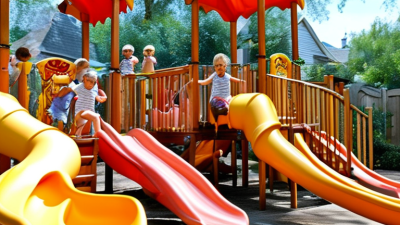
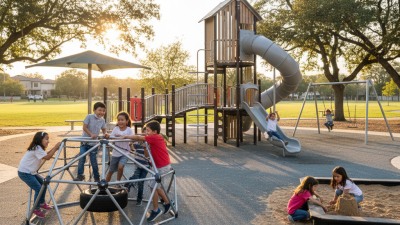
Swings, slides, climbing structures, and activity panels are popular choices. Swings promote social interaction, while slides spur excitement and motion. Climbing structures help develop motor skills, stimulating physical activity and confidence.
Tips: Regularly assess the equipment during play sessions to identify wear and tear. Make necessary repairs promptly to keep children safe. Safety mats are also crucial. They prevent injuries from falls while encouraging adventurous play.
Comparing equipment features is vital for making an informed decision. Materials matter; they affect durability and safety. Some are more resistant to weather conditions and heavy usage. Consider the target age group. Equipment designed for younger children differs from that for older kids. A mix of both can cater to a diverse range of ages, enhancing community play.
Tips: Gather feedback from local parents and educators. Their insights can guide you in selecting the right equipment. Keep an open line of communication about what works and what could improve. Constant evaluation helps ensure that the playground remains engaging and safe for all children.
Best Practices for Ensuring Compliance with Safety Standards
When sourcing playground equipment, safety compliance is crucial. Manufacturers must meet specific safety standards to protect children. Knowing the latest regulations can be challenging. Each region may have different guidelines. Staying informed promotes safer play environments.
Consider using certified materials. This enhances durability and safety. Regular safety audits should be part of your routine. They can uncover potential risks before accidents occur. Inspect equipment for wear and tear. Look for damaged surfaces or loose parts.
Engaging with certified professionals may offer insights. Their expertise can guide compliance efforts, ensuring playgrounds meet all regulations. However, not all experts provide the same level of knowledge. Research is essential to find reliable consultants. Participate in discussions or forums focused on playground safety standards. Sharing experiences can lead to better practices and improved safety outcomes.
Tips for Effective Negotiation with Playground Equipment Manufacturers
Negotiating with playground equipment manufacturers requires careful preparation. Start by researching various suppliers. Understand their product offerings and market reputation. This step helps you make informed decisions. Knowledge about materials, safety standards, and durable designs is crucial. Familiarize yourself with common industry practices to discuss pricing effectively.
During negotiations, clarity is vital. Clearly define your requirements and expectations. Ask questions about their production process. This builds trust and establishes a strong foundation. Consider discussing payment terms and lead times. Flexibility may lead to better deals. Always be ready to walk away if the terms do not meet your needs.
It's important to recognize that not all negotiations will go smoothly. Communication may break down. Misunderstandings can arise over specifications or timelines. Document conversations and agreements to avoid confusion later on. Reflect on past discussions and learn from any mistakes. Each negotiation is an opportunity for growth, refining your approach for future interactions.
Top Playground Equipment Buyers Guide
 +86-13901441113

 CONTACT NUMBER
 CONTACT NUMBER