Top 10 Tips for Finding the Best Playground in the Park
Finding the perfect playground in the park can be challenging. Each park offers unique features and opportunities for children and families. Expert John Simmons, a longtime children's facilities consultant, emphasizes, "Not all playgrounds are created equal. Safety and engagement are key."
When searching for the ideal playground in the park, keep an eye out for safety features. Look for well-maintained equipment and soft ground surfaces. These aspects are essential to prevent injuries. Check for age-appropriate spaces as well. A playground that caters to different age groups ensures that all kids can have fun.
However, even the best playgrounds may not meet everyone's expectations. Sometimes, busy parks can lead to overcrowding, diminishing the experience. Reflect on your family's needs. A quiet spot might be more valuable than a flashy one with lots of equipment. Take your time exploring different parks, and you'll find the playground in the park that suits your family the best.
Identifying Key Features of an Ideal Playground
When searching for the best playground, certain key features stand out. Safe and durable equipment is essential. According to the National Program for Playground Safety, nearly 200,000 children visit emergency rooms for playground-related injuries each year. A well-designed playground should use soft materials and have adequate safety surfaces. Look for playgrounds that have cushioning under swings and slides. This simple feature can greatly reduce injury risk.
Another important aspect is inclusive play. Playgrounds should be accessible for children of all abilities. A report from the U.S. Access Board highlights that inclusive design allows kids to interact and share experiences. Equipment like wheelchair ramps and sensory panels enhances engagement for everyone. This approach fosters social interaction and builds friendships among diverse groups.
Lastly, consider the location and environment. Natural elements can enrich play. Parks with trees and gardens create a stimulating atmosphere. Nearby restroom facilities and picnic areas are also a plus. Yet, some parks may lack proper maintenance or cleanliness, which detracts from their appeal. A balanced environment can significantly enhance the playground experience while encouraging families to visit regularly.
Top 10 Tips for Finding the Best Playground in the Park
Evaluating Safety Measures and Maintenance Standards
When evaluating playgrounds in parks, safety measures are paramount. According to the US Consumer Product Safety Commission, over 200,000 children are treated annually for playground injuries. This alarming statistic highlights the importance of inspecting equipment for any wear and tear. Look for playgrounds that adhere to safety guidelines. Equipment should be free from sharp edges and have adequate safety mats beneath.
Tip: Check for recent maintenance records. Many parks conduct regular inspections to ensure compliance with safety standards. Accessible play areas encourage inclusivity, fostering a welcoming environment. Look for parks that offer adaptive equipment designed for children with disabilities.
Also, pay attention to cleanliness. A well-maintained playground often indicates a commitment to safety. Garbage and debris can introduce hazards or encourage unsafe behaviors. Parks with staff on-site for upkeep tend to have a better safety record.
Tip: Observe the playground during peak times. This can give insight into how well the park maintains safety while managing a crowd. Engaging with staff can provide additional context regarding their safety protocols. A little diligence can significantly enhance your family's playtime experiences.
Assessing Accessibility for All Children and Families
When evaluating playgrounds, accessibility is crucial. Look for smooth pathways that all children can navigate. Parks should have ramps for wheelchairs and strollers. Play equipment must be reachable for all kids, including those with mobility challenges. Soft surfaces are a plus; they reduce the risk of injury for little ones who may fall.
Consider the layout of the playground. Are benches nearby for caregivers? Having a visible spot to supervise children is essential. Some parks also offer sensory play areas. These spaces provide unique experiences for children with different needs. Always assess whether there are quiet zones for children who may feel overwhelmed.
While many parks strive for inclusivity, not every location gets it right. Some spaces may still have high barriers. Check if there are enough adaptive swings. Are there shaded areas for hot days? Reflect on these aspects as they can greatly impact a family's experience at the park. An inclusive playground benefits everyone. It encourages play, fosters friendships, and creates joy for all involved.
Understanding the Age Appropriateness of Equipment
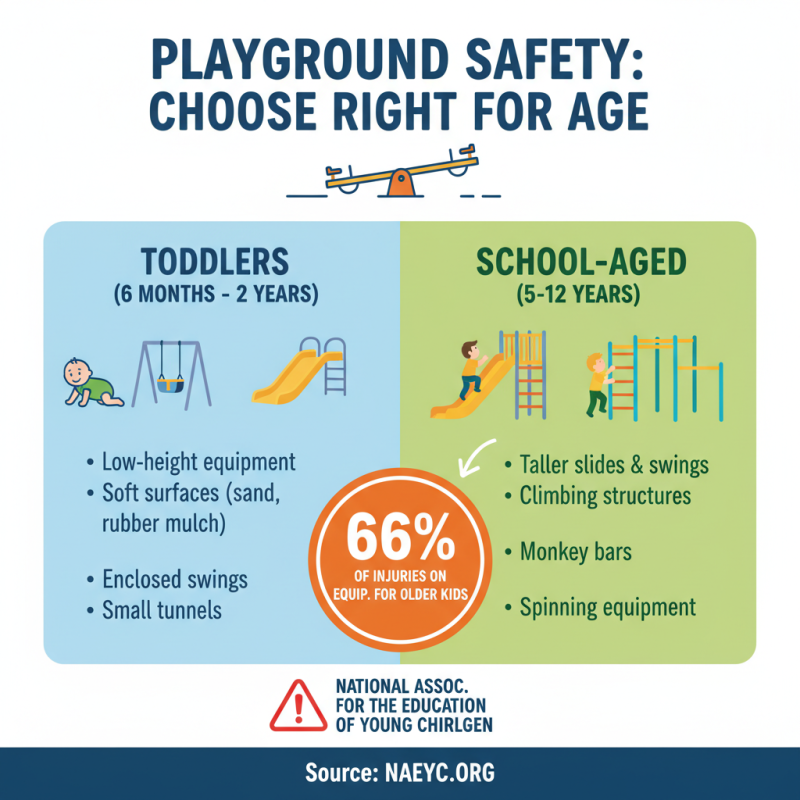
When choosing a playground, understanding age appropriateness is crucial. Equipment designed for toddlers differs greatly from that for school-aged children. According to the National Association for the Education of Young Children, about 66% of injuries occur on equipment meant for older kids. This statistic emphasizes the importance of selecting gear suitable for your child’s age group.
Consider specific equipment types. For example, swings and slides for younger children should be lower to the ground. Keep in mind that resilient surfaces, like rubber, provide safety. The Consumer Product Safety Commission reports that proper surfacing can reduce fall injuries by 70%. Unfortunately, many parks overlook these safety measures, leading to potential hazards.
Look for signage that shows appropriate age ranges for each piece of equipment. This information can guide safe play. However, not all parks have clear guidelines. Parents should advocate for better signage and safer equipment. Spaces for inclusive play can benefit all children, regardless of ability. It’s disheartening when facilities miss the mark on these essential considerations.
Exploring Additional Amenities and Surrounding Environment
When exploring parks, it's not just about the playground. The surrounding environment plays a crucial role in creating a fantastic outing. Look for parks with extra amenities like picnic areas, walking trails, or even small ponds. These features enhance the experience. Kids can enjoy the playground while adults relax nearby.
Consider how the park fits into the community. A bustling park might feel less serene. Families chatting loudly or dogs barking can be distracting. On the other hand, a quieter park allows for peaceful moments. Be mindful of cleanliness too. Some parks may have litter or poorly maintained facilities, which can detract from the enjoyment.
Accessibility is another key point. Is the playground easy to reach for families? Do pathways support strollers and wheelchairs? If not, planning a visit might be challenging. Not all parks are equipped for everyone. Remember to take a moment to reflect on what matters most in your experience. Sometimes, a small playground can lead to bigger adventures in the surrounding nature.
 +86-13901441113

 CONTACT NUMBER
 CONTACT NUMBER