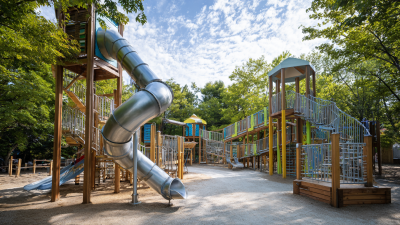
2025 Top Outdoor Play Structures for Kids Safe and Fun Spaces
As parents and caregivers, ensuring that children have safe and enjoyable spaces to play is a top priority. The year 2025 brings an exciting array of outdoor play structures that cater to kids' developmental needs while providing endless fun. These structures not only encourage physical activity but also promote social interaction and creativity among children. With a focus on safety and innovation, the latest designs in outdoor play structures have been meticulously crafted to withstand diverse weather conditions while ensuring a secure environment for kids to explore and engage.
In an ever-evolving landscape of outdoor play, it's essential to consider various factors when selecting the ideal play structure for your backyard or community space. The right outdoor play structure should not only be aesthetically pleasing but also incorporate features that challenge and stimulate children's imagination. With advancements in materials and design, parents can find structures that offer everything from climbing and sliding to imaginative play and interactive elements. As we dive into the top outdoor play structures for kids in 2025, we will highlight options that prioritize safety and fun, making outdoor play a cherished experience for children of all ages.
Overview of Outdoor Play Structures for Children
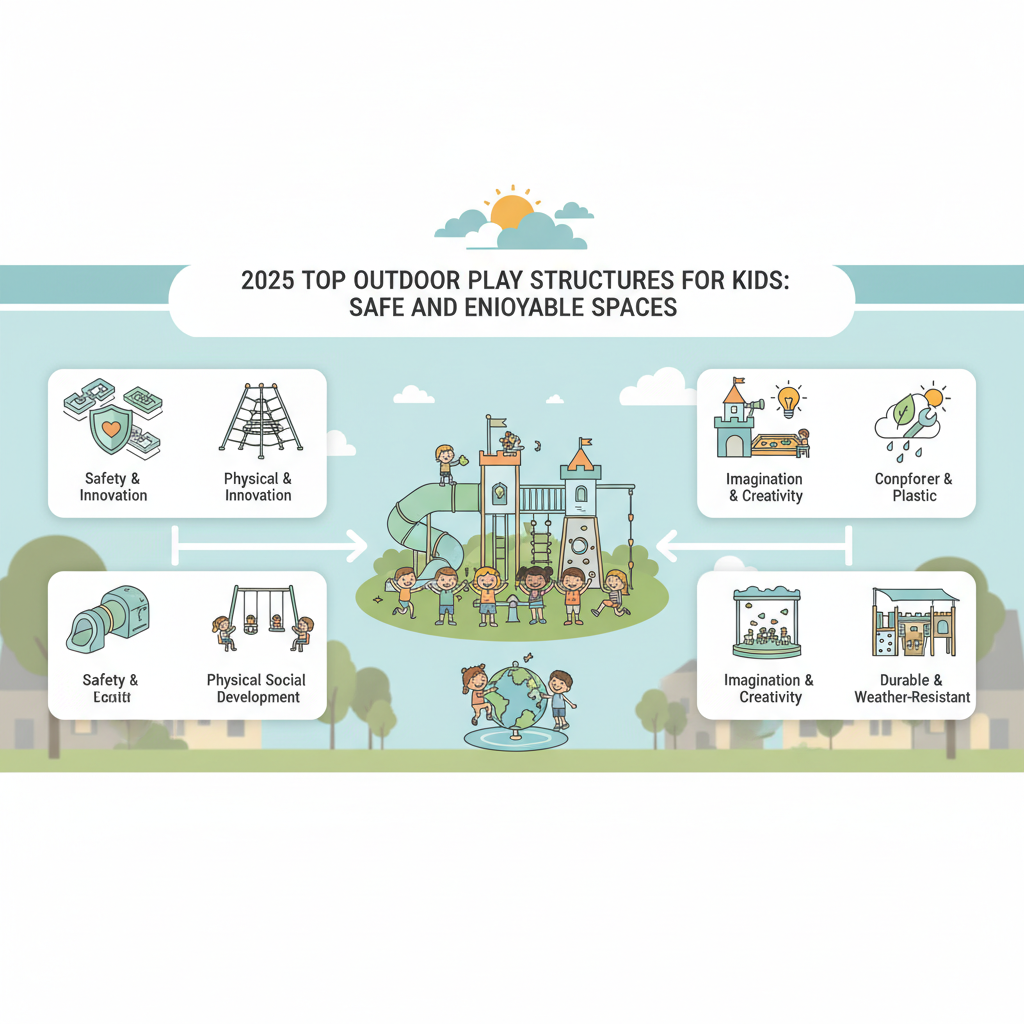
Outdoor play structures play a crucial role in creating safe and engaging environments for children. With the growing emphasis on children's social-emotional health, the design and availability of these structures have become more important than ever. Recent studies highlight that play structures not only provide entertainment but also foster essential social skills as children interact with their peers in a playful setting. These inclusive spaces allow for creativity, physical activity, and the development of friendships, contributing significantly to their overall well-being.
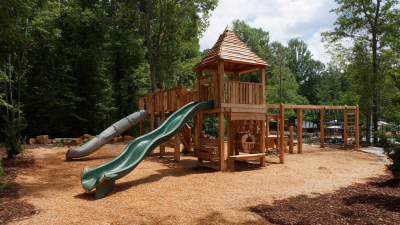
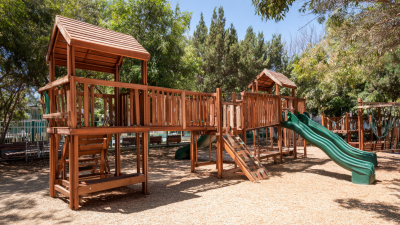
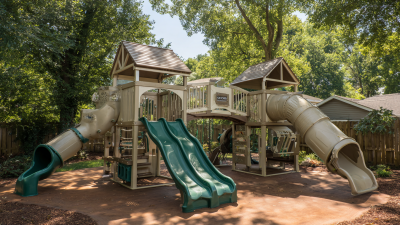
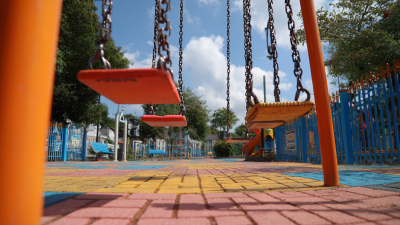
As parents look to enhance their yards with innovative play structures, options such as swing sets, climbing frames, and interactive playhouses remain popular. Architects and designers prioritize safety without sacrificing fun, ensuring that these outdoor environments can accommodate children of varying ages and abilities. By incorporating various materials and designs, from sturdy wooden structures to bright, appealing plastic options, families can create the perfect play paradise that encourages children to explore and engage with their surroundings. With the right outdoor play structures, children can enjoy the outdoors while developing vital skills that will benefit them for years to come.
Key Safety Features in Kids' Outdoor Play Equipment
When selecting outdoor play structures for kids in 2025,
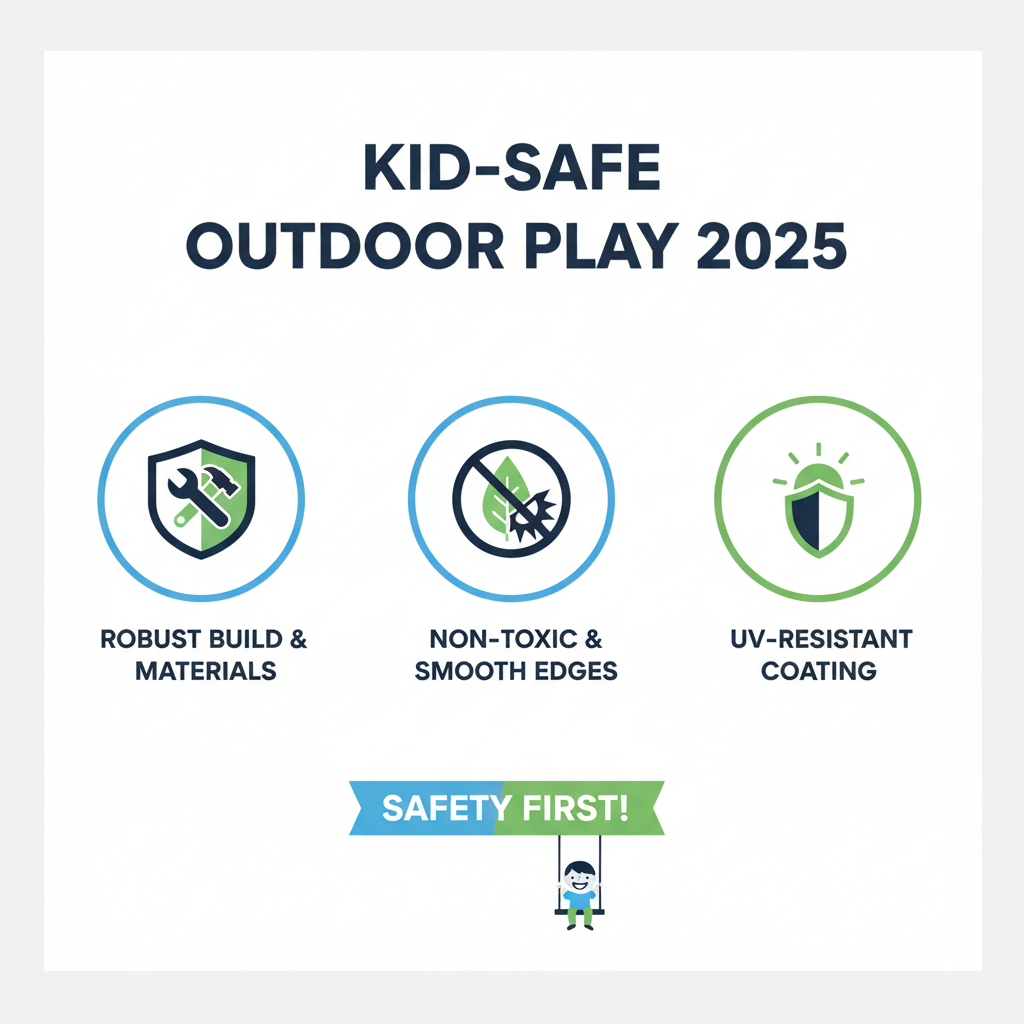
safety features must take precedence. The first critical component is
sturdy construction using high-quality materials. This ensures that the play
structures can withstand the rough and tumble of energetic play. Structures should be crafted from non-toxic materials
that are free from sharp edges and splinters, creating a safer environment for children. Furthermore, employing
UV-resistant coatings will help protect the equipment from sun damage, extending
its life while keeping kids safe from potential harm.
Another important safety feature is the thoughtful design of the play area itself. Adequate space between equipment
reduces the risk of collisions, and using impact-absorbing materials, such
as rubber mulch or foam mats, minimizes injuries in case of falls. Additionally,
including safety railings, non-slip surfaces, and secure entrances and
exits ensures children can play safely. With these key safety features in mind, parents can provide enjoyable outdoor
play experiences that foster both fun and security for their kids.
Types of Outdoor Play Structures for Different Age Groups
When considering outdoor play structures for children, it is essential to select options tailored to their developmental needs based on age groups. According to the American Association of Pediatricians, play structures can significantly enhance physical activity levels in children, which is crucial for their health and well-being. For toddlers aged 2-4, simple structures with soft surfaces, such as small slides and climbing frames, encourage exploration and motor skills development. These designs often incorporate bright colors and engaging shapes to captivate young minds.
For preschoolers aged 4-6, more complex play structures featuring multi-level platforms and interactive components become suitable. Research shows that children in this age group benefit from physical challenges that require problem-solving. Equipment such as monkey bars or rope bridges can promote strength and coordination. Meanwhile, for older children aged 6-12, larger structures that include climbing walls, swings, and slides enhance social interaction and competitive play, fostering teamwork and collaboration.
Tips: Always ensure that play structures meet safety standards set by organizations like ASTM International. Regular maintenance checks can prevent injuries due to wear and tear. Additionally, consider creating a shaded area near play equipment; studies suggest that shade can improve outdoor playtime, offering a cool retreat from the sun, thereby encouraging longer play periods and enhancing overall enjoyment.
Choosing the Right Material for Durability and Safety
When selecting outdoor play structures for kids, choosing the right material plays a crucial role in ensuring both durability and safety. According to the American Society for Testing and Materials (ASTM), materials used in playground equipment should meet specific safety standards designed to minimize injuries. Two of the most common materials are wood and metal. Wood, particularly treated lumber, offers a natural aesthetic and is less prone to overheating in direct sunlight, making it safer for kids. However, untreated wood can warp or splinter over time, necessitating regular maintenance.
On the other hand, metal structures are highly durable and resistant to weather conditions, which can prolong their lifespan significantly. The National Association of Landscape Professionals (NALP) notes that powder-coated metal can prevent rust and corrosion, enhancing safety while providing vibrant color options for playful designs. While metal structures can get hot in direct sunlight, manufacturers have started incorporating heat-resistant coatings to mitigate this issue. Ultimately, choosing the right materials not only ensures longevity but also aligns with industry safety standards, creating fun and secure spaces for children to enjoy.
2025 Top Outdoor Play Structures for Kids: Material Durability and Safety Comparison
Top Trends in Outdoor Play Structures for 2025
As we approach 2025, the trends in outdoor play structures for kids are increasingly leaning towards innovation and safety. According to a recent report by the International Playground Equipment Manufacturers Association (IPEMA), nearly 75% of parents prioritize safety features when selecting play structures, driving manufacturers to design equipment that incorporates shock-absorbing materials and improved fall zones. This year, modular structures that can be customized to fit available space and accommodate various age groups are gaining popularity, allowing for versatile play experiences that cater to children’s developmental needs.
Moreover, sustainability is at the forefront of design trends for 2025. A survey conducted by the Journal of Outdoor Recreation and Tourism found that over 60% of consumers are more likely to purchase eco-friendly play structures made from recycled materials. As the demand for green solutions rises, manufacturers are responding by using non-toxic finishes and sustainable woods, thereby not only creating a safe environment for children but also fostering environmental awareness among young users. The integration of natural elements, such as climbing logs and earth mounds, is also expected to enhance the outdoor play experience, encouraging imaginative play while connecting children more deeply to nature.
 +86-13901441113

 CONTACT NUMBER
 CONTACT NUMBER