2026 Best Outdoor Playground Slide Options for Kids Fun and Safety?
Choosing the right "Outdoor Playground Slide" is essential for ensuring kids' fun and safety. According to a report by the American Society for Testing and Materials (ASTM), 30% of playground injuries are caused by falls. The type of slide selected directly impacts these safety statistics. Experts recommend slides with sufficient height and proper design to minimize risks.
While slides provide thrill and excitement, some factors can lead to accidents. For example, poorly maintained equipment can result in injuries. The materials used also play a crucial role. Plastic slides may be safe, but metal slides can overheat in direct sunlight, posing burns. Many parents overlook these details during purchase.
In 2026, we can expect a rise in innovative slide designs. These slides will blend fun with safety more effectively. However, it is crucial for caregivers to remain vigilant. The ultimate goal is to provide a secure playground environment while ensuring children enjoy their outdoor playtime. Proper installation and regular inspections are vital to achieve this balance. The safety of young adventurers depends on these measures.
Overview of Outdoor Playground Slides for Kids
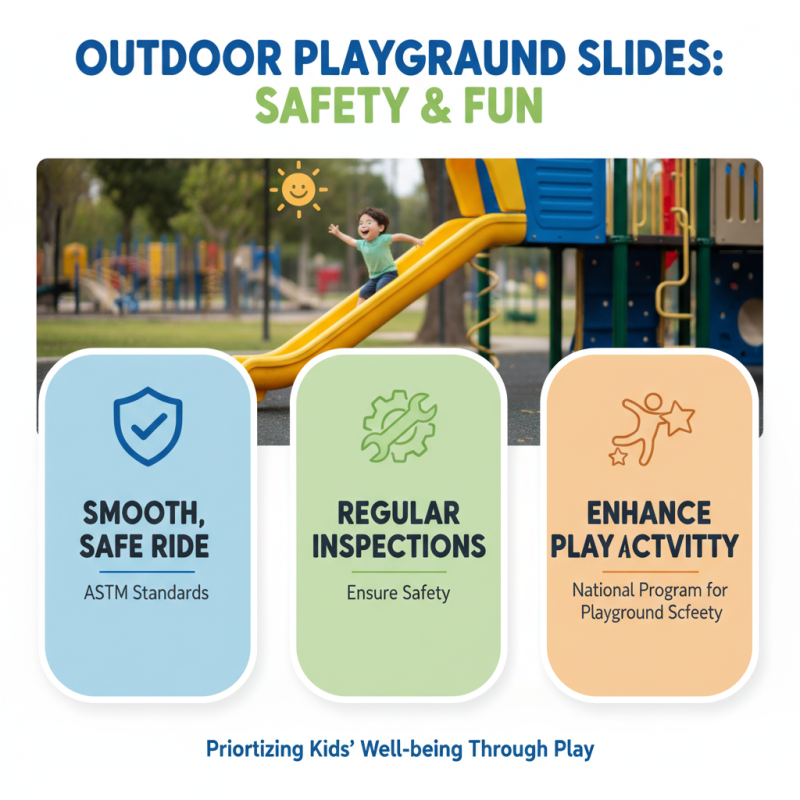
When it comes to outdoor playground slides for kids, safety and fun are paramount. According to the American Society for Testing and Materials (ASTM), slides should provide a smooth, safe ride. Inspecting slides regularly helps ensure they meet safety standards. A study from the National Program for Playground Safety reports that well-designed slides can enhance children's play, promoting physical activity.
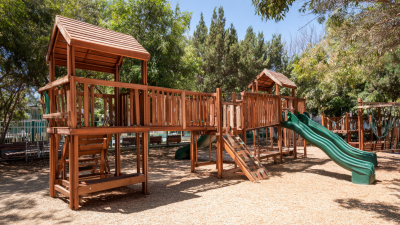
Choosing the right slide involves considering height, material, and design. Slides should be age-appropriate, allowing older kids to enjoy a challenging experience while still being safe for younger ones. A common recommendation is for slides to have a height of no more than 5 feet for younger children. Make sure edges are rounded to prevent injuries.
**Tips:** Always supervise children during playtime. Check equipment for wear and tear regularly. If a slide appears damaged or unstable, it could pose risks. Remember, a fun day out can become unsafe if equipment is not properly maintained. Be mindful of weather conditions, as wet surfaces can lead to slips.
Types of Slides: Design and Features Explained
When choosing outdoor playground slides, safety and design are paramount. Various slide types offer unique features for kids of different ages. For instance, straight slides are simple yet fun. Their smooth descent attracts younger children. A report by the U.S. Consumer Product Safety Commission noted that 40% of playground injuries are related to falls. Thus, choosing slides with proper height and slide angles can minimize risks.
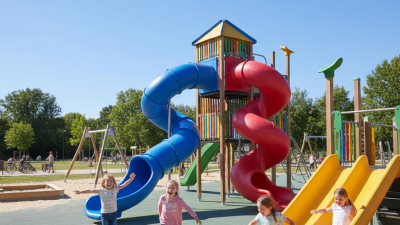
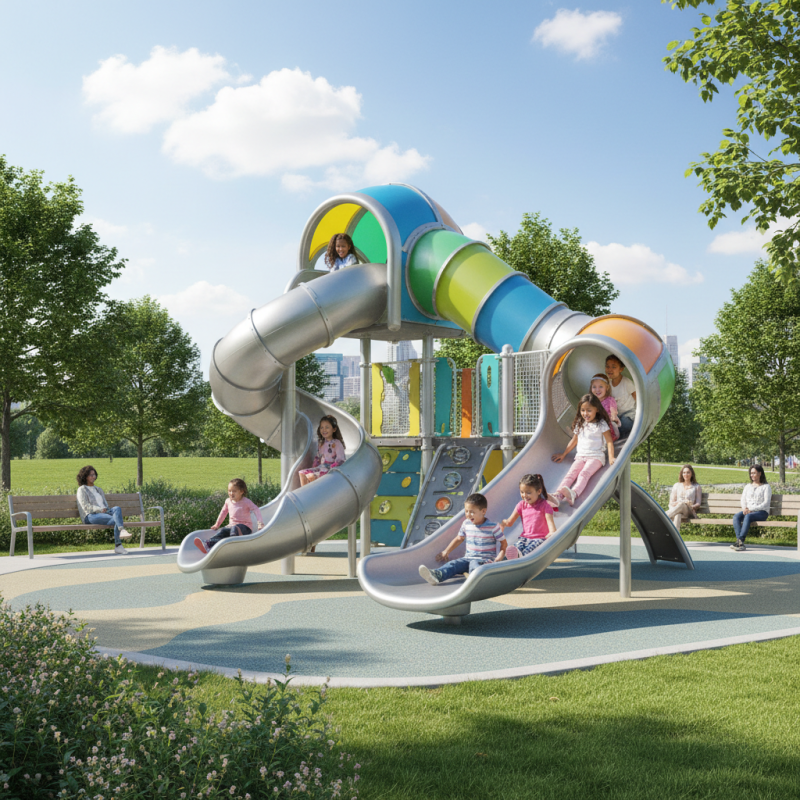
Curved and spiral slides provide added excitement. These slides offer a twisting descent that engages older kids. They require careful attention in design to ensure safety compliance. According to a study published in the Journal of Playground Safety, designs that include safety rails and wider bases can significantly reduce injury rates. However, maintaining these slides is crucial. Wear and tear can create hazards if not regularly inspected.
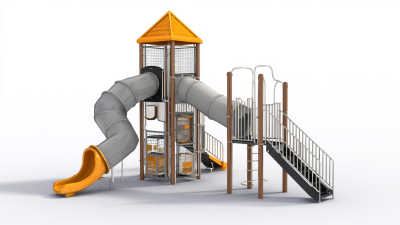
In contrast, enclosed slides offer a sense of adventure while maintaining safety. They shield children from falls and potential external hazards. However, they can also pose suffocation risks if they’re not well-ventilated. Adequate space and opening designs are essential for safety. Striking the right balance between thrill and security is imperative for sustainable play.
2026 Best Outdoor Playground Slide Options for Kids Fun and Safety
Safety Standards for Playground Slides: What You Need to Know
When choosing playground slides, safety standards are crucial. Slides designed for kids must pass strict safety guidelines. These include height limits and proper materials. A slide too high can lead to accidents. Parents should check that the slide meets these benchmarks before installation.
Regular inspections are key for safety. Look for wear and tear. Rust, cracks, or loose parts can make a slide unsafe. It’s vital to maintain a safe play environment. Be cautious with slide designs. Some might seem fun but lack safety features. Think about the location as well.
Slides in shaded areas can help prevent burns, while those in open spaces might expose kids to risks. Consider the age of your children. Different age groups need different slide types. A toddler slide should be shorter and gentler. On the other hand, school-aged children need more challenging options.
Always supervise kids while they play. Even with safety standards in place, vigilance is important. Making informed decisions ensures a fun, yet safe experience for everyone.
Top 2026 Slide Recommendations for Outdoor Play Areas
When selecting outdoor slides for children, safety is key. Look for slides made from durable materials. These should withstand the elements and heavy use. Consider an appropriate height for your child’s age. Too high can lead to accidents. A gentle slope is ideal for younger kids, promoting safe play.
Colorful slides can entice kids to play more. Bright colors stimulate their imagination. Adding features like tunnels or climbing walls can enhance their experience. But be mindful of sharp edges or unsafe components. Regular maintenance checks are crucial. Ensure everything is secure and clear of debris. This promotes a safer environment.
Balancing fun and safety is challenging. Some parents may overlook safety features in favor of aesthetics. This can lead to regret later. It’s important to reflect on what your child really needs. Focus on functional design that fosters active play while minimizing risks.
2026 Best Outdoor Playground Slide Options for Kids Fun and Safety
| Slide Type |
Age Range |
Material |
Height |
Safety Features |
Price Range |
| Straight Slide |
2-5 years |
Plastic |
4 feet |
Rounded edges, sturdy base |
$100 - $200 |
| Spiral Slide |
3-7 years |
Metal |
6 feet |
Non-slip steps, safety rails |
$150 - $300 |
| Wave Slide |
4-8 years |
Plastic |
5 feet |
Wide platform, reinforced edges |
$120 - $250 |
| Double Slide |
5-10 years |
Plastic |
7 feet |
Side barriers, impact-resistant design |
$200 - $400 |
| Curved Slide |
3-8 years |
Plastic |
5.5 feet |
Smooth surface, no sharp edges |
$130 - $270 |
Maintenance Tips for Ensuring Slide Safety and Longevity
Maintaining outdoor playground slides is crucial for children's safety and fun. Regular inspection is key. Look for cracks or wear on the surface. These flaws can lead to accidents. Keeping the slide clean makes a big difference. Dirt and debris can create slipping hazards.
When it rains, water can accumulate. Make sure to check for any pooling. Standing water can make the slide dangerous. Regularly clean the slide with mild soap and water. Avoid harsh chemicals, as they may damage the material.
Tip: Every few weeks, tighten loose bolts and screws. This prevents parts from becoming unstable. Also, consider applying a protective sealant. It can help extend the life of the slide. Remember, even the best slides need care and attention. Don’t overlook any signs of damage. Your vigilance ensures a safer play environment.
 +86-13901441113

 CONTACT NUMBER
 CONTACT NUMBER