Best Outdoor Play Structures for Kids Safety and Fun?
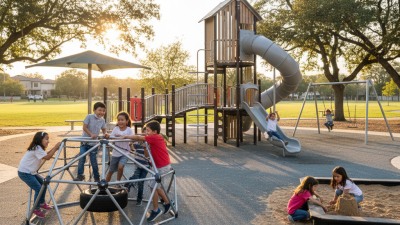
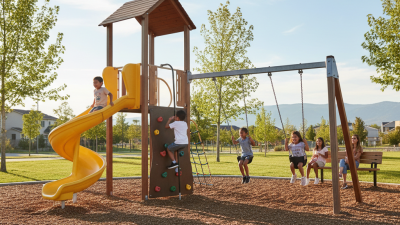
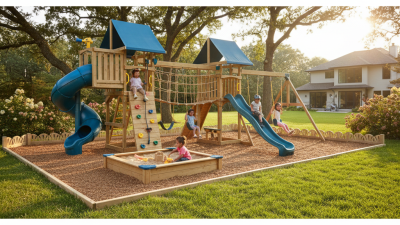
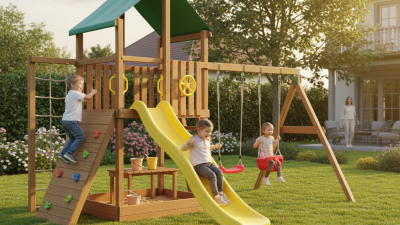
Choosing the right outdoor play structure for kids is crucial for both safety and enjoyment. Outdoor play structures come in various designs, catering to different age groups and interests. They provide opportunities for physical activity, creativity, and social interactions among children. However, safety should always be a top priority when selecting one.
Many parents may rush into a purchase, lured by bright colors and trendy designs. It’s easy to overlook critical features like materials and structural stability. A well-constructed outdoor play structure can withstand the elements and daily use. Yet, some structures may promise adventure but lack the necessary safety standards. Observation is necessary; inspecting play areas regularly can prevent injuries.
Additionally, consider the space available. An ill-fitting structure can monopolize yard space or become a hazard. Making informed choices takes time, but finding a balance between fun and safety is essential. A well-chosen outdoor play structure enriches childhood experiences while fostering a secure play environment.
Choosing the Right Materials for Outdoor Play Structures
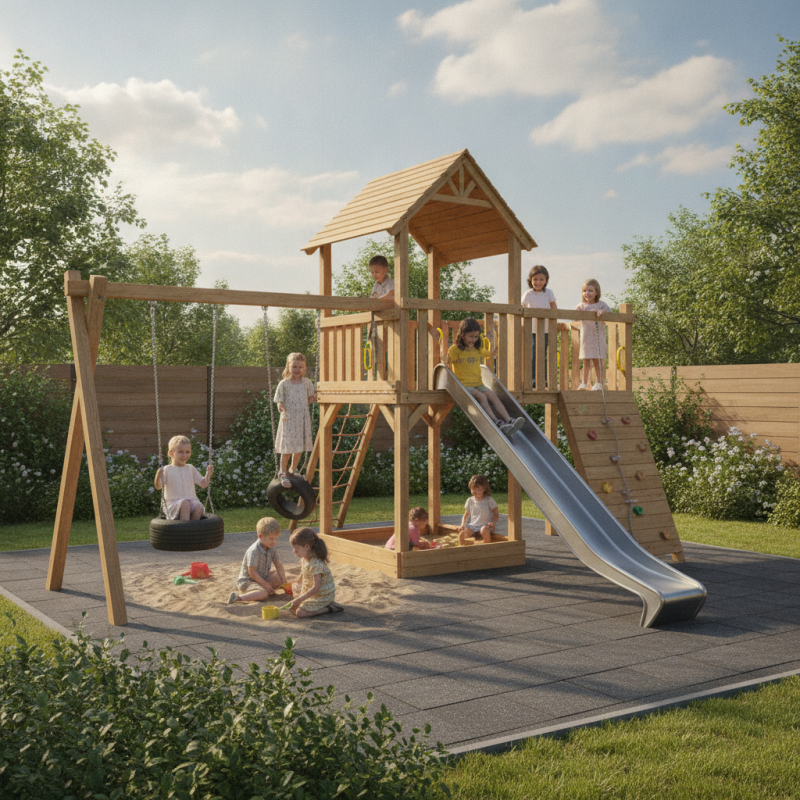
When choosing materials for outdoor play structures, durability is crucial.
Wood is a popular choice due to its natural look and sturdiness. However, untreated wood can splinter and rot over time. Use pressure-treated wood for longevity, but ensure it’s safe for children.
Consider the risks, and inspect regularly for any potential hazards.
Metal is another option, known for its strength. Stainless steel or powder-coated finishes can resist rust, providing longevity. It’s less prone to damage, but be cautious.
Metal structures can heat up in the sun, posing a burn risk. Always check the temperature before allowing kids to play.
Plastic play structures are lightweight and often easier to maintain. They won't rust or splinter, making them safe for kids. However, they might not withstand harsh weather as well as wood or metal.
Reflect on the environment where the play structure will be placed. Choose materials that fit the climate and expected wear and tear.
Balancing safety and fun is essential in creating a perfect play space for children.
Assessing Safety Features in Children's Play Equipment
When choosing outdoor play structures, safety should be a top priority. Kids often test their limits while playing. A sturdy frame is essential. Look for weather-resistant materials. Check for sharp edges and small parts. These can pose choking hazards, especially for younger children.
Soft surfaces, like rubber mulch or mats, provide cushioning. They reduce the risk of injury from falls. Look for play structures with rounded corners. Features like safety rails can prevent accidental slips. Some structures offer enclosed spaces. These provide a fun escape while keeping kids safe.
Parents should also consider the age appropriateness of play equipment. It’s crucial to ensure that the structure matches your child's abilities. Overly complex equipment can lead to mishaps. Regular inspections are necessary. Maintain the safety features to ensure a safe play environment. This ongoing process helps create a safe, enjoyable space for children.
Design Considerations for Fun and Engaging Play Spaces
Creating a safe and engaging outdoor play structure requires careful design considerations. A good play space should encourage physical activity while ensuring the safety of children. Age-appropriate equipment is crucial. For toddlers, soft surfaces, low structures, and gentle slides work well. Older kids may enjoy climbing walls, swings, and obstacle courses that challenge their agility.
Taking into account the materials used is essential. Opt for durable materials that can withstand different weather conditions. Wood and metal are popular choices. Yet, each comes with maintenance needs. Regular inspections and repairs are necessary to keep play areas safe and enjoyable. It’s important to balance aesthetics and safety in the overall design.
Engaging play structures foster creativity. Consider interactive features like musical elements or sensory walls. Children thrive in spaces that stimulate their imagination. While it’s tempting to go overboard with complex designs, simplicity often wins. Flexibility also matters. Structures that can be adjusted as children grow tend to have a longer lifespan in keeping them engaged. Focus on creating an environment where fun and safety coexist.
Top Recommended Outdoor Play Structures for Different Age Groups
Choosing the right outdoor play structures for kids can feel overwhelming. Different age groups have unique needs and interests. Toddlers often enjoy mini slides and swings designed for their size. These structures promote balance and coordination. They should be made from non-toxic materials to ensure safety during play.
For preschoolers, climbing structures can provide both challenge and excitement. Look for equipment with varying heights. This encourages active play while building strength and confidence. Safety features like soft edges are essential. Consider shaded areas to protect kids from the sun.
School-age children benefit from more complex play structures. Features like rope climbing, obstacle courses, and multi-level platforms engage them physically and mentally. However, it's crucial to maintain these structures regularly. Check for any wear and tear that could lead to accidents. Monitoring play can enhance safety and fun. Balancing excitement with precaution is key.
Maintenance Tips for Ensuring Long-lasting Play Structures
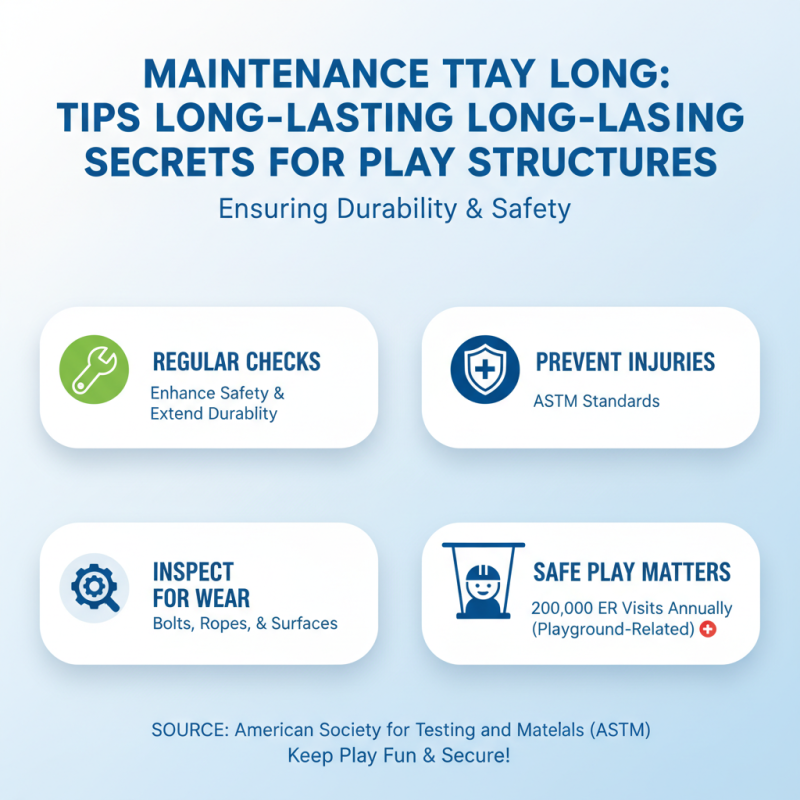
To ensure long-lasting outdoor play structures for kids, maintenance is key. Regular checks can enhance safety and extend durability. According to the American Society for Testing and Materials (ASTM), about 200,000 children visit the emergency room each year due to playground-related injuries. This highlights the importance of safe play equipment.
Inspect for structural integrity. Look for rust or decay, particularly in wooden structures. Loose screws or nails can pose risks. Regular cleaning can prevent mold and mildew build-up, which could cause surface degradation.
Tips for maintenance: Clean play surfaces often to keep them safe. Monitor for sharp edges—protective caps can help. Yearly professional inspections ensure structural soundness, catching issues before they escalate. Keeping these structures in top shape not only protects kids but also enhances their play experience. Regular upkeep reflects responsible parenting and prioritizes children's safety.
 +86-13901441113

 CONTACT NUMBER
 CONTACT NUMBER