How to Choose the Best Outdoor Play Structure for Kids?
Choosing the right Outdoor Play Structure for kids can feel overwhelming. Expert playground designer, Emily Johnson, once said, “Safety and fun should always be at the forefront of outdoor play.” Her insights highlight the importance of making informed choices.
Parents often grapple with questions about safety, durability, and age-appropriate design. An ideal Outdoor Play Structure should encourage physical activity while fostering creativity. Look for features like climbing walls, slides, and swings. These elements contribute to a well-rounded play experience.
However, it's easy to overlook the finer details. Many overlook the impact of weather and maintenance needs. Understanding the materials and design can save future headaches. It's crucial to reflect on what will best suit your child’s needs. Take the time to observe the space and consider your child's play style. This reflection will ultimately lead to the best decision for your family.
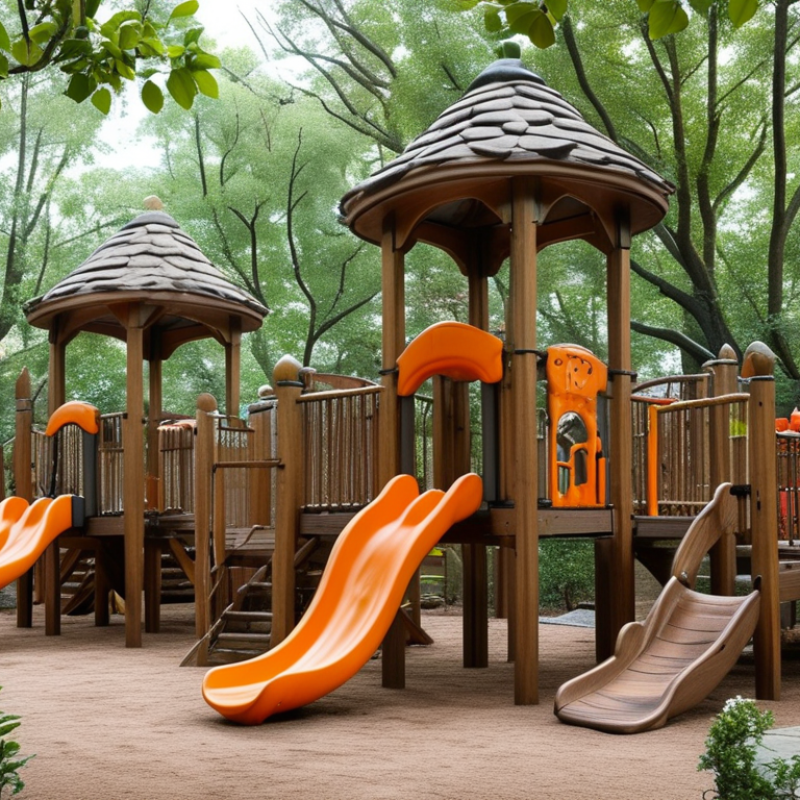
Identifying Your Children's Age and Developmental Needs for Play Structures
When choosing an outdoor play structure, understanding your child's age and developmental needs is crucial. Different age groups have varying abilities and preferences. Toddlers benefit from simple structures that encourage climbing and sliding. They require safety features, such as soft edges and lower heights. Preschoolers, on the other hand, are ready for more challenging elements. They enjoy imaginative play and social interaction, so group setups work well for them.
Tips: Select a structure with multiple activities. Look for swings, slides, and climbing walls. This variety engages different skill sets. Don't forget to check safety ratings. Regular maintenance is essential as well. Always oversee kids while playing. Encourage them to explore their limits, but ensure risks are manageable.
Considering your child’s interests can also guide your choice. Some kids love climbing, while others may prefer sliding. Look for structures that offer opportunities to develop motor skills and social skills. Watch how they play; it can reveal what features they enjoy most. Remember, play structure preferences can change over time. Take the time to reflect on their growth and adapt as needed.
Age-Appropriate Outdoor Play Structures for Kids
Evaluating Available Space and Safety Considerations for Outdoor Equipment
Choosing the right outdoor play structure requires careful consideration of space and safety. According to the American Society for Testing and Materials (ASTM), play equipment should have a safe fall zone. This zone should be at least six feet around the structure. Take a look at your yard’s dimensions. Measure the area to ensure your chosen structure fits comfortably while allowing room for kids to play.
Safety is paramount. Check for any local zoning regulations that might affect installation. Many reports indicate that over 200,000 children are treated annually for injuries related to playground equipment. Proper installation and maintenance are essential to avoid accidents. Soft landing surfaces like mulch or rubber mats can significantly reduce injury risk.
Tips: Always supervise children when they play. Teach them how to use equipment safely. Regularly inspect the play structure for wear and tear. It's crucial to prioritize both enjoyment and safety. Balancing fun and security helps create a nurturing outdoor environment. Take a moment to reflect on the limitations of your space. Maybe it's too small or uneven. Making adjustments might be necessary for safety.
Exploring Different Types of Outdoor Play Structures and Their Benefits
When selecting an outdoor play structure, several types stand out for their distinct benefits.
Climbing frames encourage physical activity. They help develop strength and coordination in children.
Slides can aid in building confidence as kids learn to conquer heights.
Swings provide a fun way to improve balance and coordination, making them a favorite among many kids.
There are more options available, such as playhouses and merry-go-rounds.
Playhouses spark imagination and role-play. This can enhance social skills during cooperative play.
Merry-go-rounds increase excitement and can build teamwork, as children push together.
However, these structures require supervision to ensure safety. Parents might worry about injuries or malfunctions.
It’s essential to consider materials and assembly quality when making a choice.
The landscape of play structures is ever-evolving. New designs often promise more fun but can be overwhelming.
Some might clash with backyard aesthetics or space limitations. Reflecting on your child’s preferences and play patterns helps guide the decision.
Think about their growth and how their needs may change. Always prioritize safety and proper maintenance in your final selection.
Assessing Material Quality and Durability for Long-lasting Play Structures
When selecting outdoor play structures for children, material quality and durability are critical factors. According to a report from the International Playground Equipment Manufacturers Association, over 80% of playground injuries are caused by equipment failures. Therefore, investing in robust materials can mitigate risks. Steel and high-density polyethylene often outperform wood and lower-grade plastic in longevity and safety.
Children are tough on play structures. Rain, sun, and constant use can reduce lifespan significantly. Research shows that UV-protected materials increase durability by up to 30%. Inspecting for weather resistance is essential, as untreated wood can splinter and decay, posing danger.
It’s also important to consider maintenance. Low-maintenance structures reduce long-term costs. A well-made play structure should last 10 to 15 years with proper care and minimal degradation. However, all play structures will need some level of upkeep. Evaluate whether your family can commit to this. Even the best equipment is a long-term investment that requires thoughtful consideration of material choices.
How to Choose the Best Outdoor Play Structure for Kids? - Assessing Material Quality and Durability for Long-lasting Play Structures
| Material |
Durability (Years) |
Maintenance Level |
Safety Rating |
Weather Resistance |
| Wood |
10-15 |
Moderate |
High |
Excellent |
| Metal |
15-20 |
Low |
Very High |
Good |
| Plastic |
5-10 |
Low |
Moderate |
Good |
| Composite |
10-20 |
Moderate |
High |
Excellent |
| Vinyl |
7-12 |
Low |
Moderate |
Fair |
Budgeting and Cost Analysis: Finding the Right Play Structure for Your Family
When selecting an outdoor play structure for your children, budgeting is a vital consideration. Research shows that the average cost of a quality playset ranges from $300 to $5,000. This price varies based on materials, size, and features. A well-constructed wooden playset may last longer but often comes with a higher price tag. Steel structures are durable but might require more maintenance.
It's essential to balance quality with cost. A cheaper, lower-quality option may save money initially but could lead to safety issues down the line. A study by the American Society for Testing and Materials found that 80% of injuries occurred on poorly designed structures. Investing in safety features like guardrails and soft ground surfaces is also crucial. In your analysis, think about how long the structure will last and if it will still meet your kids’ needs as they grow.
Ultimately, creating a fun and safe environment for your kids is worth careful consideration and expense. Being mindful about budgeting and valuing reliability can ensure you choose a play structure that truly benefits your family for years. Don’t forget to factor in future maintenance costs too—they can add up quickly.
 +86-13901441113

 CONTACT NUMBER
 CONTACT NUMBER