+86-13901441113


China Top Outdoor Play Slide suppliers combine practical manufacturing experience with design knowledge for schools, parks, resorts, and family entertainment spaces. A reliable manufacturer should understand more than colorful shapes. It must consider children’s movement, installation conditions, maintenance routines, and daily weather exposure. Outdoor Play Slide systems need stable platforms, smooth transitions, secure handrails, and carefully finished edges. Details matter.
Experienced Chinese factories often support the process from concept development to production, inspection, packaging, and installation guidance. They may use weather-resistant plastics, stainless steel fasteners, galvanized steel frames, and durable powder coatings. Material selection depends on climate, user age, site layout, and expected traffic. A coastal playground requires different protection from an inland schoolyard. This difference is easy to underestimate.
Professional suppliers should provide drawings, material information, load considerations, quality checks, and clear communication. Factory visits, sample reviews, and production photographs can help buyers evaluate real capability. Testing continues. No supplier gets every decision right on the first attempt, and responsible manufacturers should welcome design feedback. A small platform adjustment may improve supervision, cleaning, and user flow. That practical attitude builds trust.
This guide introduces key points for choosing a China Outdoor Play Slide supplier and manufacturer. It explores product customization, safety-focused construction, quality control, packaging, delivery support, and after-sales cooperation. Buyers should compare evidence, not promises. A dependable partner delivers consistent products and explains limitations honestly. In the end, quality is visible in the details children touch, parents observe, and facility managers maintain every day.
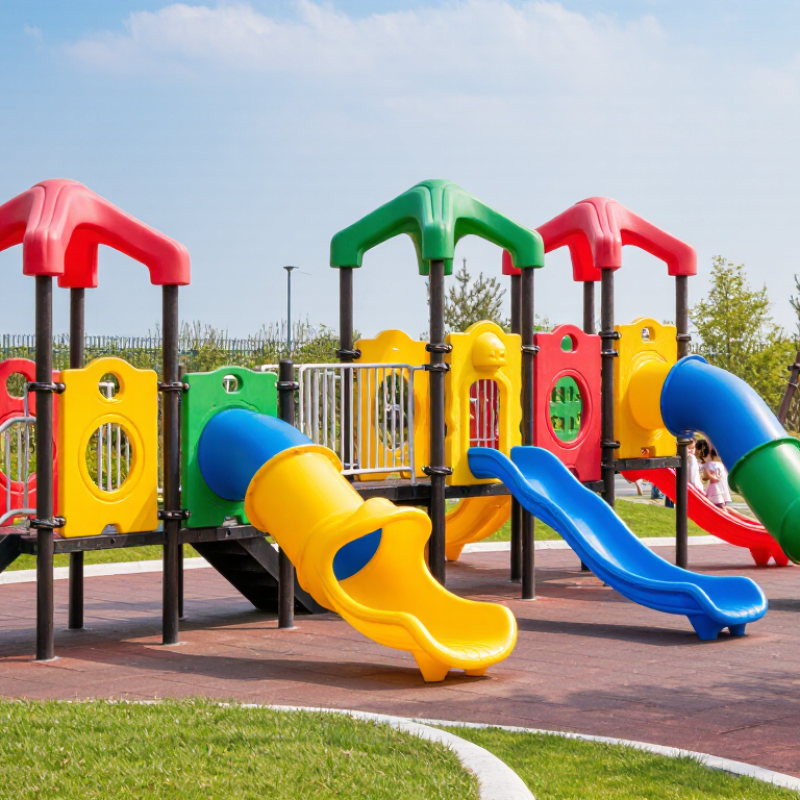
An outdoor play slide is a raised play structure with an inclined, smooth surface for controlled descent. It usually includes a platform, climbing access, side barriers, and a clear exit zone. Some slides stand alone, while others connect to larger play systems. Their purpose is simple: movement, challenge, and shared outdoor play.
Good design requires more than bright colors. The U.S. Consumer Product Safety Commission reports about 200,000 playground-related injuries treated in emergency departments each year. Its Public Playground Safety Handbook also indicates that public playgrounds account for roughly 75% of reported cases. These figures show why slide height, landing space, fall zones, and supervision matter. Recognized standards, including ASTM F1487 and EN 1176, address structural strength, entrapment risks, impact areas, and safe access. Materials should resist moisture, ultraviolet exposure, and repeated use. Still, no design removes every risk. A crowded exit can create danger, even when the equipment passes inspection.
Tips: Check bolts, platforms, barriers, and landing zones regularly. Keep the exit area free from sand piles, toys, and standing water. Match slide height to children’s age and ability. Choose textured steps and comfortable handrails. The World Health Organization recommends at least 60 minutes of moderate-to-vigorous activity daily for children and adolescents. A slide supports that goal, but it should work with climbing, running, balancing, and imaginative play.
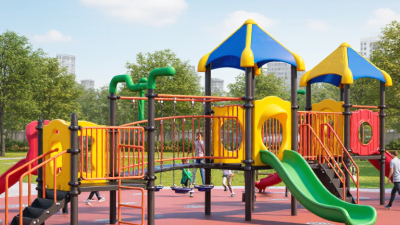
A China-based slide supplier can combine factory production with practical playground experience. Engineers review slide height, platform access, curves, and landing zones before manufacturing begins. This process helps create equipment that feels smooth, stable, and comfortable for children.
Many factories use rotational molding, stainless steel, galvanized frames, and weather-resistant coatings. These materials must match the project’s climate and daily usage. A coastal playground needs stronger corrosion protection. A busy school may need thicker components and easier maintenance access. Experienced suppliers can also provide drawings, installation guidance, sample checks, and production updates. Useful details matter.
Cost is only one reason to work with a China-based manufacturer. Direct factory communication can reduce extra purchasing layers and support flexible customization. Buyers may request different colors, platform heights, connection methods, or themed shapes. Production teams can also coordinate packaging and international shipping more efficiently.
Still, distance creates challenges. Time zones can slow decisions. Product descriptions may also be misunderstood. Not every factory offers the same engineering depth or quality control. Buyers should inspect material specifications, testing records, welds, surface finishes, and packing methods. Clear drawings and written approval points reduce mistakes. A reliable supplier welcomes questions and documents changes carefully. Small oversights can become expensive after installation. That is why honest communication matters as much as attractive pricing.
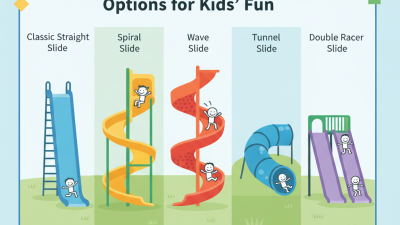
Outdoor play slides differ in shape, height, and intended age range. Straight slides suit compact playgrounds and offer predictable movement. Spiral slides add excitement but require more space and careful entry design. Wave slides create changing speeds, so their curves must remain smooth and consistent. A slide should match children’s abilities, platform height, and available landing area.
Material selection affects comfort, strength, and maintenance. Rotomolded polyethylene provides rounded edges and resists moisture, while stainless steel supports frequent commercial use. Powder-coated metal can deliver strong structural performance when its coating remains intact. Wood may create a natural appearance, but it needs regular checks for splinters, cracks, and moisture damage. A bright finish alone proves little.
Safety depends on details. Guardrails should protect elevated platforms without blocking supervision. Handgrips need firm edges and suitable spacing for small hands. Slide exits require impact-absorbing surfacing, not bare concrete or compact soil. Suppliers should provide load testing, material information, installation guidance, and inspection records. During factory evaluation, check welds, fasteners, plastic thickness, drainage points, and packaging protection. We have found that small gaps can become serious maintenance issues. No checklist replaces observing children using the equipment, because real movement may reveal problems that drawings miss.
| Slide Type | Typical Application | Common Materials | Typical Height Range | Key Safety Features | Maintenance Considerations | Relevant Safety References |
|---|---|---|---|---|---|---|
| Straight Slide | Public playgrounds, schools, parks, and residential play areas | Rotationally molded linear low-density polyethylene, fiberglass, or stainless steel | Approximately 0.9–2.4 m | Guardrails at the access point, high side walls, smooth transitions, rounded edges, and a clear exit zone | Inspect fasteners, surface cracks, sharp edges, loose connections, and impact-attenuating surfacing | ASTM F1487 and EN 1176-3 design and use principles |
| Wavy Slide | Multi-age playgrounds requiring added movement and visual interest | UV-stabilized HDPE or molded fiberglass with stainless-steel or galvanized-steel supports | Approximately 1.2–2.4 m | Continuous side barriers, secure entry platform, smooth wave transitions, and controlled exit speed | Check joints between slide sections and verify that the surface remains smooth and free from deformation | ASTM F1487, EN 1176, and applicable local playground regulations |
| Spiral Slide | Adventure playgrounds and play structures with limited landing space | Rotomolded polyethylene, fiberglass, or stainless steel | Approximately 1.5–3.0 m | Enclosed or high side walls, protected access, smooth internal joints, and sufficient clearance around the exit | Inspect hidden joints, mounting brackets, entry guardrails, and areas where water or debris may collect | ASTM F1487 and EN 1176-3 recommendations for slide geometry and clearance |
| Tube Slide | Compact playgrounds, themed play systems, and elevated platforms | UV-resistant polyethylene panels or fiberglass sections with corrosion-resistant hardware | Approximately 1.2–3.0 m | Fully enclosed tunnel, ventilation and visibility considerations, protected entry, smooth seams, and clear exit area | Clean the interior regularly and inspect seams, ventilation openings, fasteners, and drainage points | ASTM F1487 and EN 1176 requirements for entrapment and enclosed play components |
| Double or Triple Slide | High-capacity playgrounds and play areas designed for simultaneous use | Molded HDPE, fiberglass, or stainless steel with powder-coated steel frames | Approximately 0.9–2.4 m | Separated lanes, individual entry controls, rounded dividers, independent structural support, and adequate spacing | Inspect each lane separately and check the shared platform, divider, and support structure | ASTM F1487 and EN 1176 requirements for multiple-user equipment |
| Embankment Slide | Natural landscapes, hillside parks, and playgrounds with suitable terrain | Stainless steel, molded polyethylene, or reinforced fiberglass | Determined by the existing slope and engineered site layout | Stable side walls, secure slope integration, safe access path, controlled exit, and drainage around the installation | Monitor soil movement, erosion, drainage, corrosion, and the condition of the surrounding surfacing | ASTM F1487, EN 1176, and site-specific structural and drainage requirements |
| Toddler Slide | Early-childhood play areas and low-height activity panels | UV-stabilized polyethylene, molded plastic, or smooth fiberglass | Typically below 1.2 m | Low platform, wide steps or access ramp, handholds, high side walls, gentle slope, and short exit distance | Check handholds, steps, platform edges, surface temperature, and age-appropriate surfacing | ASTM F1487 and applicable requirements for preschool-age playground equipment |
| Stainless-Steel Slide | High-use public playgrounds, coastal locations, and contemporary outdoor designs | Stainless steel, often combined with galvanized or powder-coated structural steel | Approximately 1.2–3.0 m | Welded or securely fastened seams, rounded profiles, protected mounting points, and impact-attenuating surfacing | Inspect for corrosion, heat exposure, weld defects, loose hardware, and surface contamination | ASTM F1487, EN 1176, and local requirements for metal playground equipment |
Outdoor play slides begin with site analysis, not decoration. Designers measure fall zones, user flow, sun exposure, drainage, and available space. They then create CAD models and test entry platforms, chutes, exits, and guardrails. The U.S. Consumer Product Safety Commission reports that falls cause about 75% of playground injuries. That figure makes impact-absorbing surfacing essential. Sand, engineered wood fiber, rubber tiles, and poured-in-place systems must match the equipment’s fall height.
Material selection follows performance needs. Rotationally molded polyethylene offers smooth curves and strong color retention. Galvanized or stainless-steel hardware helps resist moisture and corrosion. Manufacturers check wall thickness, edges, openings, connection points, and load resistance against ASTM F1487 requirements or EN 1176 guidance. Production usually includes mold preparation, heating, cooling, trimming, drilling, assembly, and final inspection. It sounds straightforward. It is not. A small molding defect can affect drainage, grip, or long-term durability. Experienced teams inspect prototypes under real handling conditions, because factory confidence can still be incomplete.
Tips: Ask for documented material tests, fall-height calculations, UV-resistance evidence, and installation instructions. Confirm that the slide suits the children’s age range and the planned surfacing system. Inspect the exit zone carefully; it needs enough clearance for safe deceleration. A supplier should also explain maintenance checks, fastener inspections, and replacement procedures. Good manufacturing is measurable, but field experience still exposes weaknesses that reports may miss.
Outdoor play slides are designed around the developmental needs and safety requirements of different age groups. The chart shows the maximum recommended slide heights commonly used in U.S. public playground safety guidance: 4 feet for toddlers, 6 feet for preschool-age children, and 8 feet for school-age children. Manufacturers use these limits when planning platform height, slide slope, protective surfacing, guardrails, and the exit area.
Source: U.S. Consumer Product Safety Commission, Public Playground Safety Handbook.
Selecting an outdoor play slide system begins with the site, not the catalog. Measure fall zones, drainage, sunlight, and daily user capacity. The U.S. Consumer Product Safety Commission estimates roughly 200,000 playground injuries receive emergency treatment annually, with falls among the leading causes. Therefore, ask for impact-attenuating surfacing data, platform-height specifications, load testing, and corrosion resistance before ordering.
A reliable supplier should provide drawings, material certificates, installation tolerances, maintenance manuals, and replacement-part access. Compare stainless steel, galvanized steel, and UV-stabilized plastics against your climate. Salt air can expose weak coating systems quickly. Order only after confirming container dimensions, anchor positions, color samples, and delivery responsibilities. ASTM F1487 and the CPSC Public Playground Safety Handbook offer useful technical references, although local standards may be stricter.
Installation needs trained supervision and documented torque checks. Keep anchors level. Check every connection before opening the play area. Weekly inspections should identify sharp edges, loose bolts, cracks, blocked drainage, and worn surfacing. Record findings with photographs and dates. The National Program for Playground Safety emphasizes regular inspection and maintenance as core safety practices. In practice, maintenance schedules often look perfect on paper but fail during busy seasons. Review them after rain, heavy use, or vandalism. Replace damaged components promptly, and never improvise repairs with unapproved hardware.