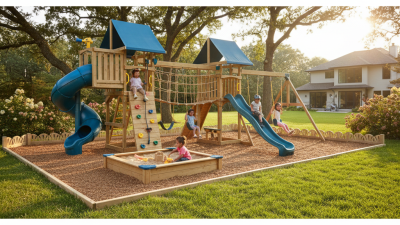
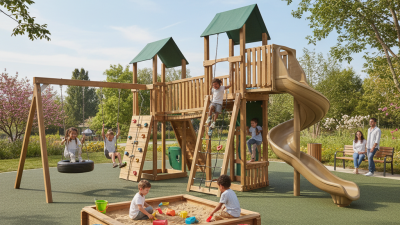
10 Essential Tips for Choosing the Best Outdoor Playground Sets for Your Kids?
Choosing the right Outdoor Playground Sets for your children is essential. These sets influence their physical growth and social skills. When kids play outside, they engage in vital activities. However, selecting the perfect playground can feel daunting.
You want something safe, durable, and fun. The market offers countless options with various styles and features. Each set has unique benefits and drawbacks. Parents may find it overwhelming to navigate through choices. Some sets are expensive but lack quality. Others may be affordable yet unsafe. This process can raise doubts about your decisions.
To make the best choice, you need a clear plan. Evaluate your space and your children’s interests. Consider their age and developmental needs. Prioritize quality materials and safety features. Informed decisions lead to happy playtime. Your efforts can create a safe haven for memorable childhood moments.
Key Factors to Consider When Selecting Outdoor Playground Sets
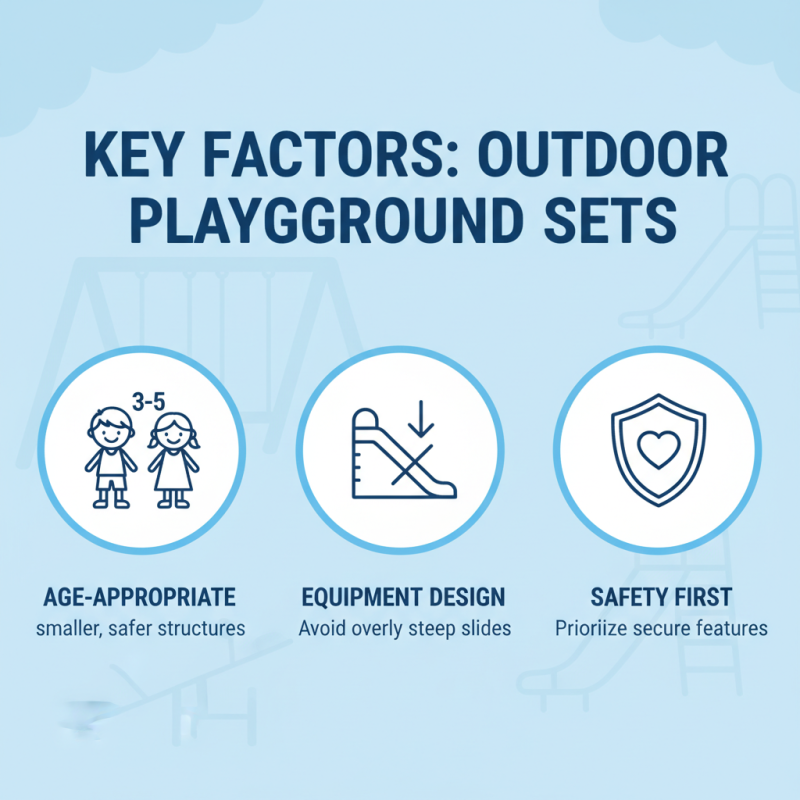
When selecting an outdoor playground set, consider the age of your kids. Younger children need smaller, safer structures. Equipment should be age-appropriate. A slide might look fun, but if it's too steep, it can be risky. Always prioritize safety.
Think about the space you have available. Measure your yard before making a choice. Playsets need enough room for kids to run and play freely. Overcrowding can lead to accidents. A larger set might look appealing, but if it doesn’t fit, it’s not a good option.
Durability is another key factor. Some materials can wear out quickly under sun or rain. Wooden sets can rot, while metal can rust. Pay attention to the weather conditions in your area.
Finally, consider the maintenance required. Some playsets need regular upkeep, like painting or checking for sharp edges. A low-maintenance option might be better for busy parents. Remember, a fun playset should not become a burden.
Types of Materials Used in Outdoor Playground Equipment
When selecting outdoor playground sets, the materials used play a crucial role.
Wood, metal, and plastic are common choices. Each has its pros and cons.
For instance, wooden playsets provide a natural look. They are sturdy and durable but can require significant maintenance.
Studies show that wooden structures can last over 15 years if cared for properly. However, they may splinter and pose a risk if not treated well.
Metal playground equipment is another popular option. Metal is incredibly durable and can withstand harsh weather conditions.
However, it can become hot under direct sunlight, possibly leading to burns. A report by the International Playground Safety Institute suggests that more than 30% of outdoor playground injuries are due to equipment temperature.
On the other hand, plastic components are lightweight and versatile. They are often colorful, which attracts kids.
But plastic can degrade over time, especially when exposed to UV rays.
Parents must weigh these factors carefully. The ideal playground material balances safety, durability, and maintenance.
It's worth considering the local climate, as well. If you live in an area with heavy rain, a rust-proof material could be vital.
Ultimately, the decision should prioritize both fun and safety for children. Regular inspection and maintenance will ensure a longer lifespan for any material chosen.
Safety Standards and Features for Children's Playground Sets
When selecting outdoor playground sets for children, safety should be the top priority. Ensure that the equipment meets or exceeds
ASTM International safety standards. In 2020, about 60,000 children visited emergency rooms due to playground-related injuries. Choosing compliant sets can significantly reduce this risk.
Look for features like soft edges and rounded corners. Consider equipment with a cushioned surface to minimize falls. Many experts recommend safety mats or mulch. A
shock-absorbing surface can decrease injury severity. According to the American Academy of Pediatrics, over half of playground injuries occur from falls.
Regular maintenance is crucial. Inspect the playground set often for wear and tear. Loose bolts and rusting steel can lead to safety hazards. Some parents overlook these essential checks. Engage your kids
in learning how to play safely. Teach them about using equipment correctly to prevent accidents.
Reflecting on safety is vital for ensuring a fun experience.
Space and Layout Considerations for Your Backyard Playground
When planning a backyard playground, consider the space and layout carefully. The average backyard size in urban areas is about 5,000 square feet. However, not all of that space is usable. You must account for landscaping, trees, and other structures. Ideally, a children’s play area should occupy a minimum of 200 square feet. This allows for a combination of equipment and safety zones.
Think about how your kids will use the space. Reports suggest that children prefer open areas for running and playing, alongside designated spots for climbing and sliding. A compact layout may look appealing but can limit active play. Safety is crucial. The Consumer Product Safety Commission recommends a safety zone around equipment, approximately 6 feet wide. This adds to the overall space you need.
It’s important to strike a balance. Too much equipment can make the area feel cramped. Likewise, too little can limit the fun. Kids thrive on variety. A mix of swings, slides, and climbing structures can keep their interest alive. While designing, consider incorporating shade elements, like trees or canopies. However, these can reduce space too. Reflect on your layout. Is it truly functional for active play? Adjustments may be necessary as your kids grow. Proper planning can create a safe and enjoyable environment for years to come.
Budgeting Tips for Buying the Best Playground Sets for Kids
When budgeting for outdoor playground sets, it's vital to set a clear limit. Determine how much you're willing to spend before starting your search. This method saves time and avoids impulse buying. Playground sets can range from a few hundred to several thousand dollars. Knowing your budget helps you focus on appropriate options.
Consider additional costs beyond the initial purchase. Installation, maintenance, and safety features are crucial aspects to factor in. Many buyers overlook these expenses. A set that seems affordable may require significant investment later. Involve your children in the decision-making. They might have preferences that influence the overall cost.
Always research local regulations and safety standards. This knowledge can prevent costly mistakes. Sometimes, a lower-priced set might not comply with safety codes. Also, explore used equipment. It sometimes offers great value but may require extra caution. Each option has pros and cons, so don't rush your decision. Reflect on what truly matters for your family.
 +86-13901441113

 CONTACT NUMBER
 CONTACT NUMBER