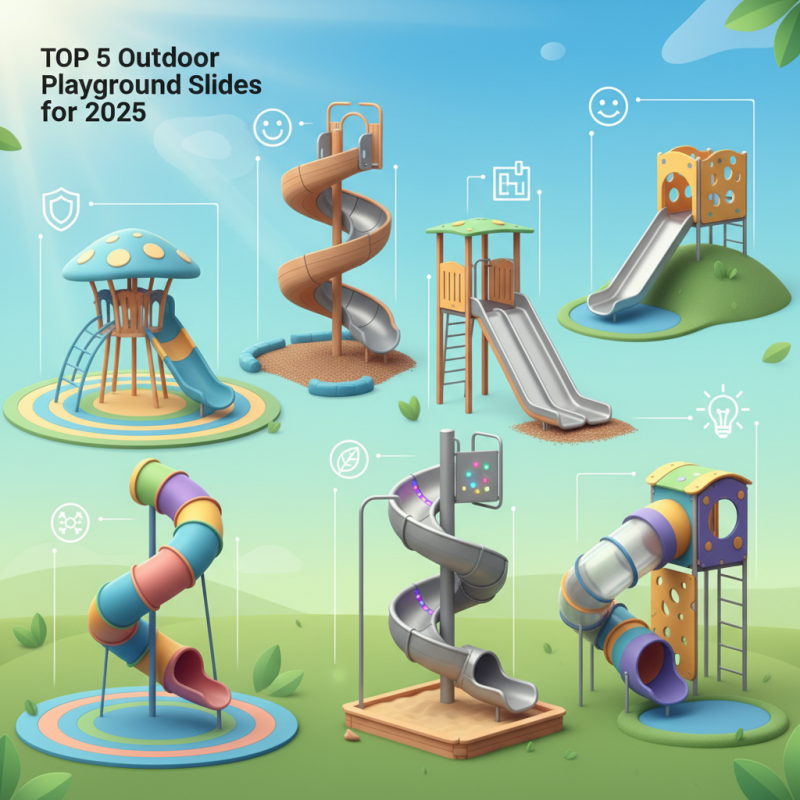
Top 5 Outdoor Playground Slides for 2025: Safety, Fun, and Design Tips
When it comes to children's play, the allure of an Outdoor Playground Slide is undeniable. Slides not only provide a thrilling experience but also contribute significantly to a child's physical development and social interactions. As we approach 2025, it’s essential to explore the top designs that promise both safety and fun in outdoor play environments. With an increasing focus on innovative designs and materials, today's slides are not only exhilarating but also engineered with safety features that prioritize children's well-being.
In this guide, we will delve into the top five outdoor playground slides for the upcoming year, highlighting key aspects that make them a perfect fit for any play area. From features that enhance safety to those fostering imaginative play, we aim to provide parents, educators, and playground designers with valuable insights. Additionally, we'll share practical design tips to create enticing playground environments where kids can thrive. Join us as we navigate the exciting world of outdoor playground slides, ensuring that every slide is a step toward fun, safety, and unforgettable childhood memories.
Top Considerations for Safety in Outdoor Playground Slides
When selecting outdoor playground slides, safety is paramount. One of the first considerations should be the slide's material. High-quality plastics are essential as they are not only durable but also provide a smooth surface that minimizes friction, reducing the risk of cuts or scrapes. Additionally, ensuring that the slide is free from sharp edges and has rounded corners can further enhance safety for children. Regular inspections for wear and tear are crucial, as this can help identify any potential hazards before children use the equipment.
Another important factor in slide safety is proper installation. The slide should be securely anchored to the ground, and the height should be appropriate for the target age group of users to prevent falls. Soft landing surfaces, like rubber mats or grass, are also crucial to cushion any accidental slips or falls. Furthermore, maintenance plays a significant role; keeping the slide clean and ensuring there are no obstructions nearby can mitigate risks. By focusing on these critical safety measures, caregivers can create a fun and secure outdoor environment for children to enjoy.
Top 5 Outdoor Playground Slides for 2025: Safety, Fun, and Design Tips
| Slide Type |
Height (ft) |
Material |
Safety Features |
Age Group |
| Straight Slide |
5 |
Plastic |
Soft Landing Zone |
2-5 Years |
| Curved Slide |
6 |
Metal |
Safety Rails |
3-7 Years |
| Triple Slide |
8 |
Fiberglass |
Reinforced Edges |
5-12 Years |
| Spiral Slide |
7 |
Plastic |
Cushioned Corners |
5-12 Years |
| Wave Slide |
4 |
Polymer |
Low Profile |
2-5 Years |
Innovative Designs to Enhance Play Experiences for Kids
Innovative playground slides play a crucial role in enhancing children's play experiences while ensuring safety and enjoyment. Recent reports suggest that incorporating features like textured surfaces and interactive elements can significantly increase children's engagement during playtime. According to a survey by the International Playground Safety Institute, 85% of parents believe that unique designs make playgrounds more appealing, which in turn promotes outdoor physical activity among children.
When selecting a slide, it's essential to prioritize safety alongside innovative design. Using materials that are environmentally friendly and non-toxic is vital, as studies show that children are more likely to use equipment that not only looks fun but is also safe for their health. For instance, slides with rounded edges and lower heights have been shown to reduce injury risk by up to 40% compared to more traditional designs.
Tips for choosing the right slide include considering age-appropriate design features, such as wider slides for group play that encourage social skills, and those that integrate sensory elements like sound or light. Additionally, attention should be paid to selecting slides with weather-resistant materials, ensuring longevity and reduced maintenance costs. By focusing on these innovative designs and safety features, playgrounds can foster a more enjoyable and secure play environment for children in 2025 and beyond.
Popular Materials Used in 2025 Playground Slide Construction
When considering the construction of playground slides in 2025, the choice of materials plays a crucial role in ensuring safety, durability, and engaging design. Popular materials like high-density polyethylene (HDPE) and aluminum are increasingly favored due to their excellent resilience against the elements and low maintenance requirements. According to the National Association of State Park Directors, 70% of playgrounds built in 2025 utilize these materials, aligning with rising safety standards and durability expectations.
In addition, there's a growing interest in environmentally sustainable materials such as recycled plastics and natural wood. A recent report from the International Playground Equipment Association highlights that playgrounds using sustainable materials see a 15% increase in usage rates, appealing to eco-conscious parents and communities. These materials not only provide a safe play environment but also contribute to the aesthetic value of playgrounds.
Tips: When selecting materials for playground slides, consider incorporating non-toxic finishes to enhance safety. Furthermore, ensure that all materials comply with ASTM safety standards to prevent potential injuries. Lastly, leveraging advanced design techniques can help integrate these materials into slides that not only look appealing but also offer varying degrees of challenge for different age groups, promoting inclusive play.
Integrating Accessibility Features for Inclusive Playgrounds
Creating inclusive playgrounds is essential to ensure that all children, regardless of their abilities, can enjoy the thrill of outdoor play. One of the key features to consider when designing playground slides is accessibility. This means incorporating various design elements that allow children with mobility challenges to engage with the slides safely and independently. Features such as wheelchair-accessible ramps, wider slide openings, and lowered platforms can significantly enhance the accessibility of playground equipment.
Additionally, safety measures should be integrated with accessibility in mind. For instance, using non-slip surfaces, providing safety rails, and ensuring appropriate height and slope can help make slides more manageable for children with varying physical capabilities. Moreover, creating sensory-rich environments around the slides—with textured pathways and vibrant colors—can engage all children's senses and foster a more stimulating play experience. By prioritizing these design considerations, playgrounds can become welcoming spaces that encourage diverse play and coexistence among children.
Maintenance Tips to Ensure Long-lasting Slide Performance
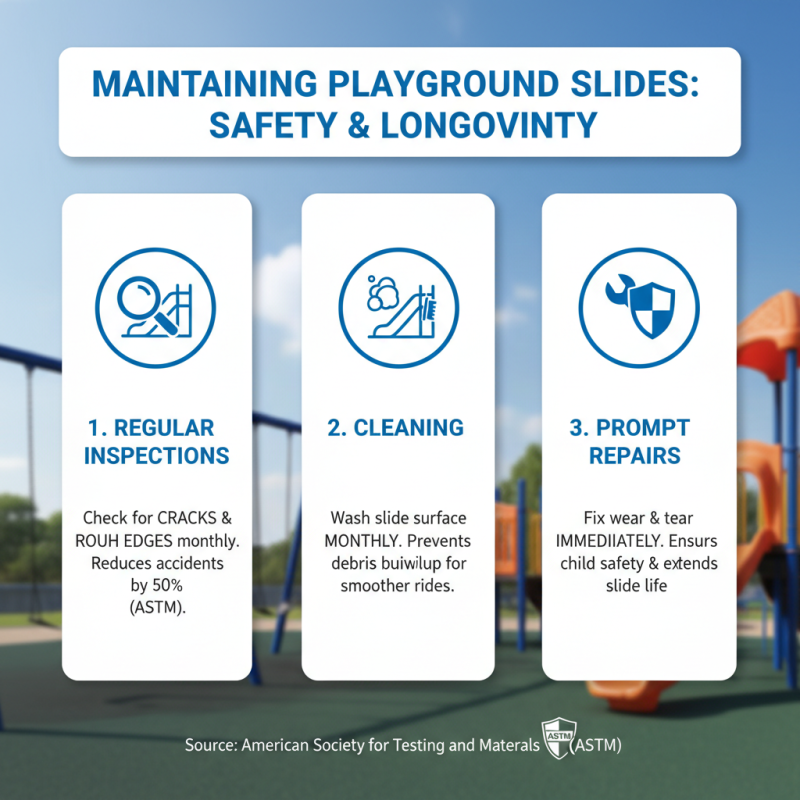
Maintaining outdoor playground slides is crucial for ensuring safety and extending the lifespan of these popular play structures. According to the American Society for Testing and Materials (ASTM), regular inspections and maintenance can reduce accidents by up to 50%. One essential maintenance tip is to routinely check for any signs of wear and tear, such as cracks or rough edges, which can not only compromise safety but also deter children from using the slide. Cleaning the slide surface at least once a month prevents build-up of debris and ensures a smoother, more enjoyable ride.
In addition, periodic lubrication of moving parts, such as swings connected to the slide, can enhance performance and reduce friction, promoting long-lasting functionality. A study by the International Playground Safety Institute highlights that regular maintenance checks can save facilities up to 30% in repair costs over time. Furthermore, ensuring proper drainage around the slide area prevents erosion and keeps the foundation stable, thereby enhancing the overall safety of the playground environment. By prioritizing these maintenance tips, playground owners can significantly contribute to a safe and enjoyable space for children while maximizing the investment in their outdoor play equipment.
 +86-13901441113

 CONTACT NUMBER
 CONTACT NUMBER