+86-13901441113


Choosing the right Garden Play equipment supplier in China takes more than comparing prices and bright product photos. Buyers need to look closely at materials, design options, production quality, and the support offered after delivery. A sturdy swing set may look convincing online, yet small details matter: smooth welds, secure joints, clear assembly instructions, and finishes that suit outdoor use. Details show.
Playground researcher Joe L. Frost is often associated with the phrase, “Play is the work of children.” That idea is useful when assessing suppliers. Equipment should invite active, imaginative play, not simply fill a space. Buyers can ask suppliers about age ranges, moving parts, surface requirements, and how equipment is checked during production. Requesting product specifications, sample finishes, and references can also make comparisons more grounded. Still, documents alone cannot tell the whole story. A factory visit or independent inspection may reveal gaps that polished brochures do not.
This guide explores Garden Play suppliers in China and the questions worth asking before placing an order. It considers product range, customization, quality controls, communication, lead times, and export experience. No supplier is automatically the best fit for every project. A school, resort, and community garden may need different layouts, budgets, and maintenance plans. The right choice depends on clear requirements and careful verification. That takes time. And sometimes, the cheapest quote is not the least expensive option over the equipment’s full service life.
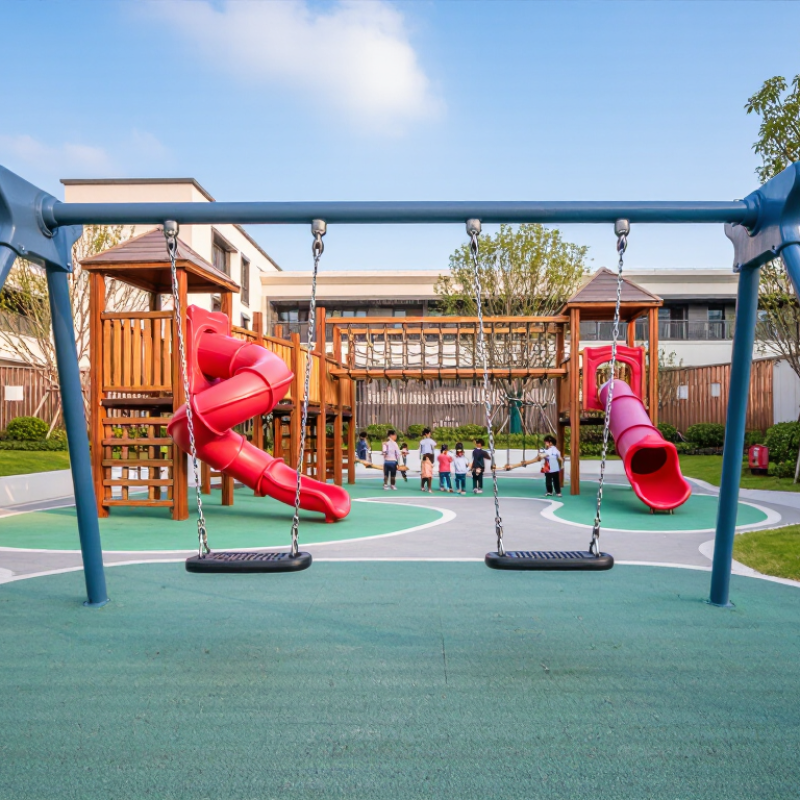
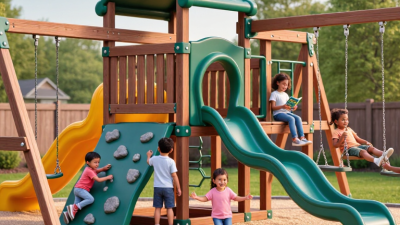
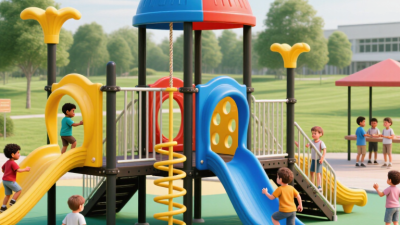
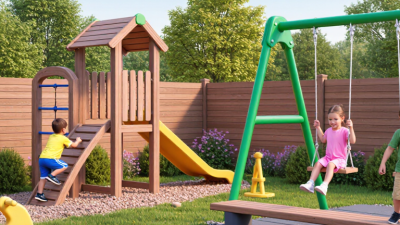
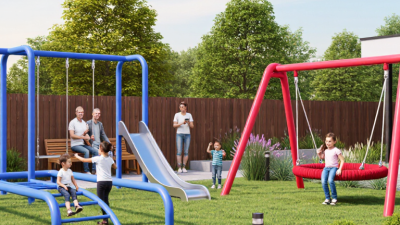
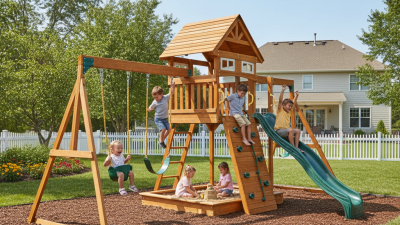
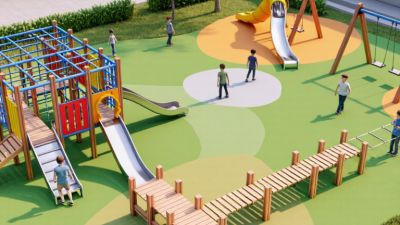
Garden play equipment ranges from compact toddler slides to climbing frames, swings, balance beams, and sand play tables. In a family garden, a small slide and swing set can encourage active play without taking over the lawn. Schools and community parks often need larger combinations, with clear routes between play zones. Good layouts leave room for movement, seating, and adult supervision.
Materials and details matter. Powder-coated metal frames, smooth timber edges, secure fittings, and weather-resistant plastics can help equipment handle regular outdoor use. Check the recommended age range, ground surface, and space needed around each product before choosing. A climbing frame may look suitable online, yet feel too large once the garden furniture is in place. That happens.
What Are the Best Garden Play Equipment Suppliers in China?
How China’s Garden Play Equipment Supplier Market Is Organized
China’s garden play equipment market is organized by supplier role, not by one definitive ranking. OEM factories manufacture items such as slides, swings, climbing frames, and spring riders. Integrated suppliers may also provide design, material selection, and installation guidance. Trading and export companies can coordinate mixed product orders, but buyers should confirm who controls production and quality checks. The market is not perfectly transparent.
Demand context matters. China’s National Bureau of Statistics reported an urbanization rate of 66.16% in its 2023 Statistical Communiqué. This is not playground sales data, but it helps explain investment in shared outdoor spaces. Supplier comparisons should focus on verifiable details: steel thickness, coating specifications, UV-resistant plastics, load limits, spare-part availability, and documented test procedures. Ask for production photos and inspection records. A polished catalogue is not proof of consistent workmanship. One gap remains: public data rarely separates garden play equipment from broader playground categories.
Tips: Request a sample finish and a component list before placing a large order. Check how the supplier handles replacement parts. Small details matter. A playground can look sturdy while its joints tell another story.
| Supplier type | Typical offering | Best suited to | What to verify | Common purchasing model |
|---|---|---|---|---|
| Specialist manufacturer | A focused range of play structures or components, such as swings, slides, climbing frames, or metal and plastic parts. | Buyers seeking product expertise, repeat orders, or a defined product category. | Factory capabilities, material specifications, production quality controls, and test documentation for the exact product configuration. | Standard catalogue orders or product-specific customization. |
| OEM/ODM supplier | Products made to a buyer’s specifications, or designs developed with the supplier, which may include custom colors, dimensions, or packaging. | Importers and distributors developing a private-label range or a differentiated product. | Design ownership, approved samples, change-control procedures, tooling terms, and responsibility for product testing. | Specification-based orders; custom tooling or development may involve separate charges. |
| Trading or export company | Sourcing from multiple factories, coordinating export paperwork, and consolidating products or shipments. | Buyers who value a broader product selection or a single point of contact across suppliers. | Who manufactures each item, who handles quality checks, and which party is responsible for compliance records and after-sales support. | Mixed-product orders, sourcing services, and export coordination. |
| Turnkey project supplier | A package that may combine play equipment, layout planning, surfacing recommendations, installation coordination, and project documentation. | Schools, parks, hospitality sites, and other buyers managing a complete play area project. | Scope boundaries, site-specific design responsibility, installation arrangements, safety documentation, and local approval requirements. | Project quotation based on site, selected equipment, and agreed services. |
| Component or material supplier | Individual parts or materials used in play equipment, such as panels, connectors, ropes, fasteners, or molded components. | Equipment manufacturers, repair businesses, and buyers sourcing replacement parts. | Material grade, dimensions, compatibility, durability data, and traceability where required. | Part-number or drawing-based orders, often with compatibility checks. |
Buyer note: “Best” depends on the project, destination market, required service, and product specifications. Ask for documentation applicable to the actual equipment and intended use; standards such as EN 1176 or ASTM F1487 may be relevant in different markets, but their applicability and compliance should be independently verified.
When comparing garden play equipment suppliers in China, look beyond polished catalog photos. Ask for product drawings, material specifications, and recent production images. A slide that looks smooth online may have exposed fasteners or uneven edges in person. Request sample components when practical. Small details matter.
For outdoor durability, check the grade and thickness of metal, timber, or plastic parts. Ask how coatings resist rain, sunlight, and scratching. Request test reports and confirm which safety requirements they address for your intended market. Inspect welds, joints, handrails, and ground anchors in sample photos. A low quote can hide thinner materials or limited testing, so compare the written specifications line by line.
Production reliability needs equal attention. Ask about factory quality checks, lead times, minimum order quantities, spare parts, and protective packaging. Clarify who handles replacements if a component arrives damaged. A live factory tour or independent inspection can help verify claims, though neither guarantees every shipment will be perfect. I would also assess how clearly the supplier answers specific questions; vague replies are a real warning sign. Even a careful checklist can miss something, so keep requirements and agreed changes in writing.
Ask each garden play equipment supplier for safety reports tied to the exact model, materials, and age range you plan to buy. A certificate for a similar product is not enough. Check the issuing laboratory and confirm that the test scope matches your destination market. Requirements can differ by country.
Look closely at construction details. Are welds even? Do bolts sit flush, and are exposed edges smooth? Check platform gaps, handrails, pinch points, and anchoring instructions. Small details matter. Request material specifications for plastics, coatings, ropes, and metal parts, then compare them with the sample. A neat sample is useful, but it cannot prove every production unit will match.
Ask how the factory tracks batches and handles rejected parts. Request recent inspection records, clear product photos, and a pre-shipment inspection plan. Paperwork is only a start. During inspection, test moving parts and check that labels and instructions are readable. One weakness: even a careful inspection is only a snapshot. Keep a signed sample and agreed specifications for later comparison, especially if repeat orders are likely.
Use the standards relevant to your destination market as a starting point when reviewing a supplier’s documentation. Edition years identify the listed editions; they do not indicate that a product has been tested or certified.
Ask suppliers for test reports that identify the exact product model, materials, and applicable standard. Confirm the standard’s current edition and local requirements with the relevant standards organization or testing body.
Selected editions: EN 1176-1:2017+A1:2023; EN 1177:2018+A1:2023; ASTM F1487-21; ASTM F1292-22; ISO 8124-1:2022. The chart shows the year in each edition designation, not a safety rating.
Choosing a garden play equipment supplier in China starts with the site, not the catalogue. Measure the usable area, note slopes and drainage, and decide which ages will use the equipment. Ask suppliers for material specifications, installation drawings, load information, and test documents for the exact products offered. CPSC’s Public Playground Safety Handbook reports more than 200,000 annual U.S. emergency-room visits for playground equipment-related injuries. That figure concerns playground equipment broadly, but it underlines why safety evidence matters. Details matter.
Compare how each supplier handles outdoor exposure. Ask about UV resistance, corrosion protection, replacement parts, packaging, and installation support. Request close-up photos of welds, fixings, and finished edges, then check those details against a production sample. A polished catalogue is not proof of consistent manufacturing. I would also confirm lead times and inspection arrangements in writing; these are easy to overlook when the sample looks convincing.
The WHO’s 2024 physical activity fact sheet notes that 81% of adolescents aged 11–17 did not meet activity recommendations, based on 2016 data. A varied mix of climbing, balancing, and active play may help make a garden more inviting, though equipment alone cannot guarantee regular use. Ask the supplier how layouts can suit different ages and abilities. A little doubt is useful: one attractive design may not fit every child or garden.