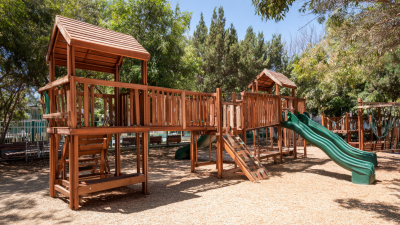
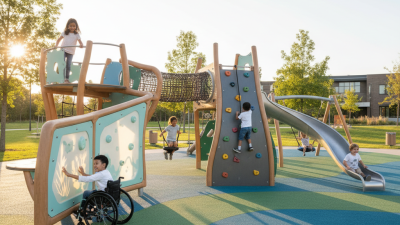
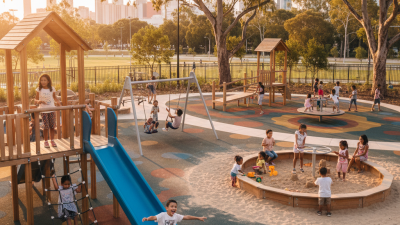
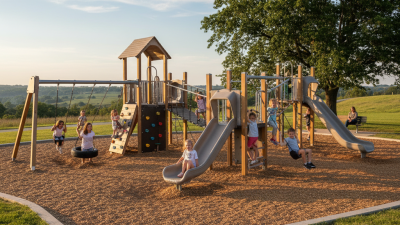
How to Choose the Best Outdoor Play Structure for Your Kids?
When selecting the perfect Outdoor Play Structure for your kids, expert Lisa Gonzalez emphasizes, “Safety and fun go hand in hand.” Her experience as a child development specialist highlights the importance of choosing wisely. The right structure should not only entertain but also ensure safety during playtime.
Outdoor Play Structures come in various designs and materials. Parents often face overwhelming choices. Factors like age, space, and the children’s interests play a vital role in the decision-making process. Look for sturdiness and safety features that can withstand active play. Investing in a quality structure can create countless joyful moments for your kids.
Moreover, it's vital to consider the impact of these structures on child development. Engaging in physical activity fosters growth and social skills. Yet, some parents overlook the significance of age-appropriate features. It's essential to reflect on what's best for your child's needs. Remember, selecting an Outdoor Play Structure is more than just a purchase—it's about enriching your child's childhood experience.
Criteria for Selecting the Ideal Outdoor Play Structure for Children
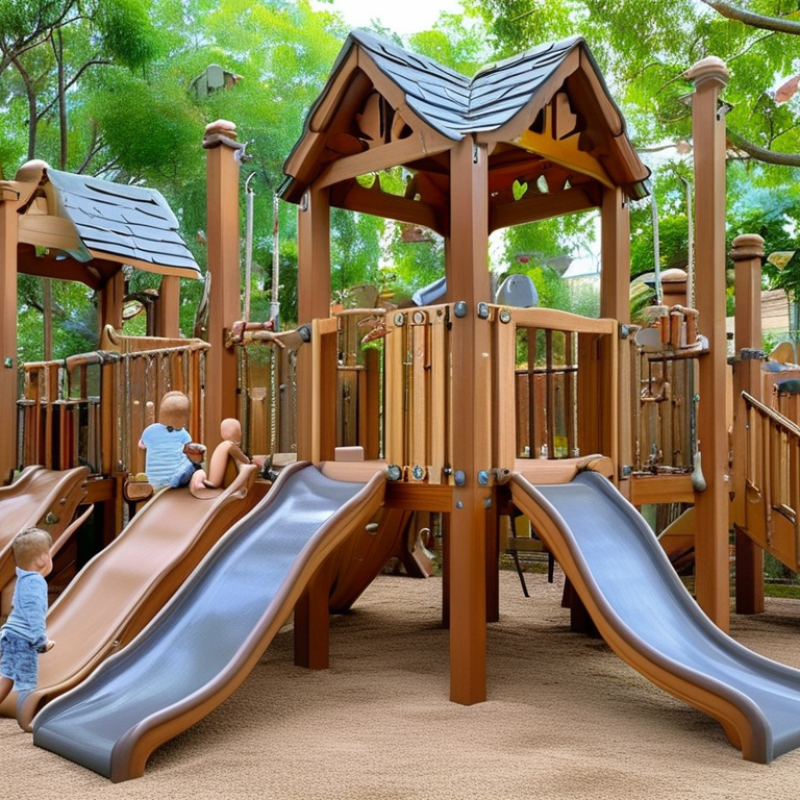
Choosing the right outdoor play structure for your kids can be a fun yet challenging task. When selecting a play structure, consider safety first. Ensure the materials are non-toxic and durable. Check for sharp edges or small parts that could pose a hazard.
Tips: Measure the available space in your yard. Leave enough room for kids to play safely. Think about the age of your children. Younger kids need simpler structures, while older ones might enjoy climbing walls or slides.
Durability matters too. Look for materials that can withstand weather changes. Wooden playsets may require more maintenance than plastic ones. It’s important to balance aesthetics with practicality. A bright, colorful structure may attract your children, but it should also stand the test of time.
Tips: Research local climate factors before making a decision. If you live in a rainy area, consider a waterproof design. Reflect on potential future growth. You might want a structure that adapts as your children grow older. Involving your kids in the selection process can also help ensure they are excited about their new play area.
Types of Outdoor Play Structures and Their Benefits
When choosing an outdoor play structure, consider various types and their unique benefits. Climbing frames enhance physical strength and coordination. Children engage in creative play while developing essential motor skills. These structures can be large, encouraging social interactions among kids.
Swings offer simple joy and help build balance. The rhythmic motion fosters a sense of freedom and fun. Many parents enjoy watching their children laugh and smile during swing play. It's also a moment for kids to relax and enjoy the outdoors.
Slides are fantastic for developing confidence. The thrill of climbing up and sliding down teaches children how to handle heights. Both excitement and fear come into play, encouraging them to face challenges. Some kids may hesitate, requiring gentle encouragement from parents. They test limits, promoting resilience. As you choose the right structure, ask your child about their preferences. Their input can guide you and help them feel valued.
How to Choose the Best Outdoor Play Structure for Your Kids? - Types of Outdoor Play Structures and Their Benefits
| Type of Structure |
Key Features |
Benefits |
Recommended Age |
| Swing Sets |
Various swings, durable frame |
Encourages physical activity, builds coordination |
3-10 years |
| Slides |
Straight, spiral, or wave shapes |
Improves balance, promotes social play |
2-8 years |
| Climbing Frames |
Ropes, ladders, climbing walls |
Enhances strength, encourages problem-solving |
4-12 years |
| Playhouses |
Themed designs, windows, doors |
Stimulates imagination, promotes role-play |
2-8 years |
| Sandboxes |
Containment walls, cover |
Encourages creativity, fine motor skills |
1-8 years |
| See-Saws |
Balanced lever design |
Enhances teamwork, builds strength |
3-10 years |
Safety Considerations for Kids' Outdoor Play Equipment
When selecting outdoor play equipment, safety is a key factor. Always check age recommendations. Many structures have specific guidelines, like maximum weight limits. For younger kids, choose lower slides and secure climbing features. Heights should be appropriate for their size to prevent falls.
Consider materials carefully. Plastic is lightweight, but wood is sturdy and often more durable. Look for smooth edges and rounded corners. These simple features can make playtime safer. It's also essential to have cushioned ground surfaces. Rubber mats or mulch can soften falls. Ensure there are no obstacles in the play area.
Maintenance is another crucial aspect. Regularly inspect the play structure for wear and tear. Wooden structures can splinter, while metal can rust. Make repairs quickly to avoid injuries. It’s a good practice to educate kids about safe play habits. Teach them to wait their turn and to use equipment as intended. Reflections on safety can guide better decisions. Kids deserve to play freely, but safety must always come first.
Budgeting for Your Child’s Outdoor Play Structure
When budgeting for your child’s outdoor play structure, start by setting a clear limit. Consider how much you can comfortably spend without straining your finances. Outdoor play structures can vary widely in cost. Prices range from a few hundred to several thousand dollars. Reflect on your family's priorities to determine the functional value of the structure.
Think about the materials used in the structure. Higher-quality materials often last longer, saving money in the long run. However, cheaper options can be tempting. These may not withstand wear and tear from enthusiastic play. Aim to find a balance between cost and durability. It's essential to consider future maintenance expenses as well.
Research local suppliers and compare prices. Some retailers may offer financing options. Others may have promotions or discounts, making your budget stretch further. Don’t rush into a purchase. Take your time to gather information. A little patience can lead to a better deal and a structure that your children will love for years.
Choosing a Play Structure That Encourages Physical Activity and Imagination
Choosing the right outdoor play structure is crucial for your child's development. Play structures can significantly enhance physical activity and stimulate imagination. According to the American Academy of Pediatrics, active play helps improve cognitive function and social skills. A well-designed play structure can promote these benefits.
Look for features that encourage climbing, swinging, and sliding. These activities boost strength and coordination. Structures that incorporate elements for creative play, like tunnels or slides that resemble castles, spark imagination. A survey by the International Play Equipment Manufacturers Association found that children engage more when play structures offer diverse activities.
When shopping for a play structure, consider safety and durability. Materials should be non-toxic and sturdy. Regular maintenance is essential, too. Check for loose parts or wear over time. Sometimes, opting for the more affordable choice leads to regrets down the road. Investing in quality ensures safety and lasting enjoyment. Remember, balance is vital; you want a structure that challenges children while keeping them safe.
Outdoor Play Structure Preferences Among Children
 +86-13901441113

 CONTACT NUMBER
 CONTACT NUMBER