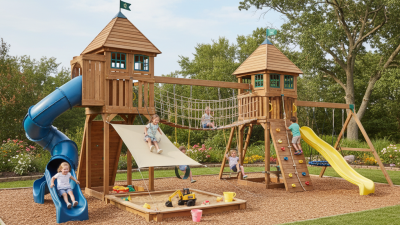
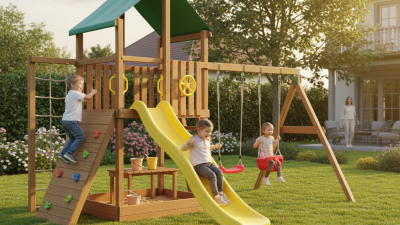
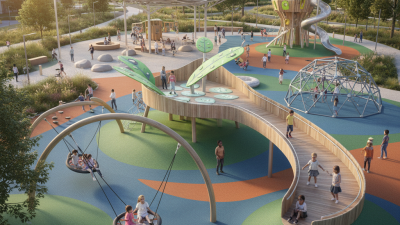
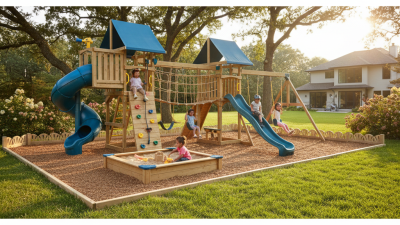
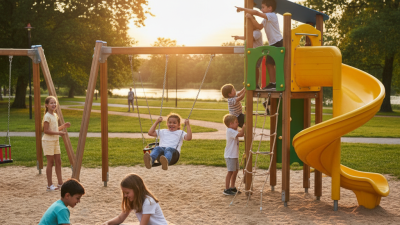
Why Choose an Outdoor Play Structure for Your Kids?
Choosing an Outdoor Play Structure for your kids is more than just a fun decision. According to the American Academy of Pediatrics, outdoor play is essential for children's physical and mental development. A well-designed play structure provides a safe and engaging environment for them to explore. Recent studies show that children who engage in outdoor play for at least an hour daily have improved focus and cognitive skills.
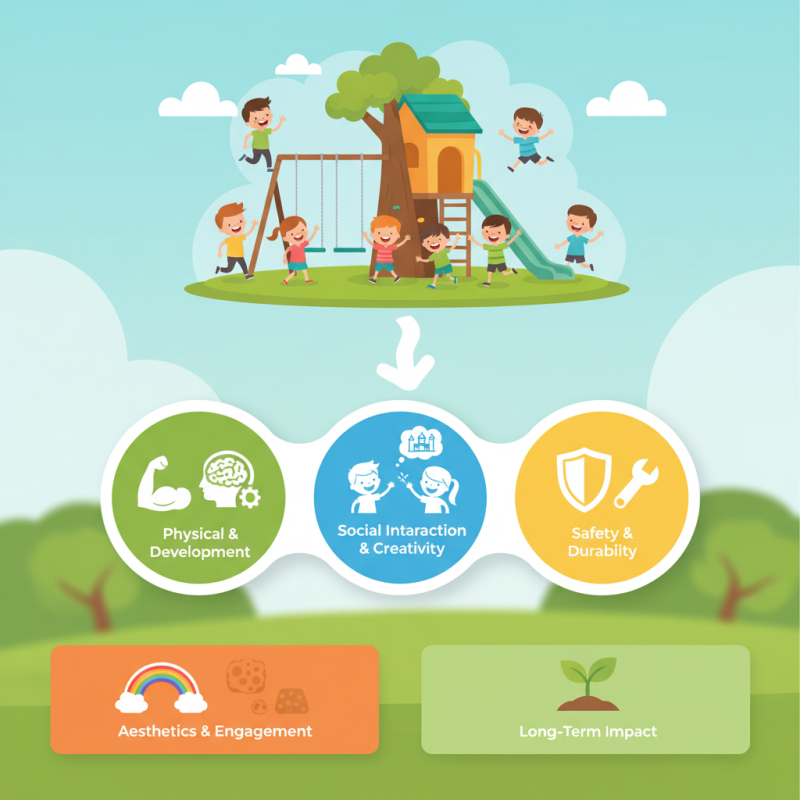
The benefits of an Outdoor Play Structure extend beyond just physical activity. It fosters social interaction and creativity as kids collaborate on games and challenges. However, not all structures meet safety standards, leading to potential hazards. Parents should be vigilant in selecting a structure that is durable and age-appropriate.
Moreover, the aesthetics of an Outdoor Play Structure can influence children's engagement. Bright colors and varied textures attract kids and keep them interested. Parents should reflect on their choices, ensuring they select structures that enhance their children’s play experiences while prioritizing safety and quality. It is crucial to consider not only immediate benefits but also the long-term impact on their development.
Benefits of Outdoor Play Structures for Child Development
Outdoor play structures provide numerous benefits for child development. They encourage physical activity, helping children build strong muscles and improve coordination. When kids climb, slide, or swing, they engage their entire body. This not only aids physical growth but also fosters confidence. As they explore, they learn risk assessment, like understanding how high is too high.
Social skills often blossom on these structures. Children play together, negotiating turns and sharing space. They learn important lessons about teamwork and empathy. Conflicts may arise, but these moments teach valuable conflict-resolution skills. It's messy and sometimes loud, but that's part of the process.
Tips: Make outdoor play a daily habit. Schedule time for your kids to explore freely. Let them occasionally figure things out on their own. Allow for a little risk; it’s essential for learning. Don't always hover—let their creativity run wild. Not every moment will be perfect, and that’s okay. Embrace the chaos of outdoor play to nurture resilient and adaptable children.
Benefits of Outdoor Play Structures for Child Development
Types of Outdoor Play Structures Available for Different Age Groups
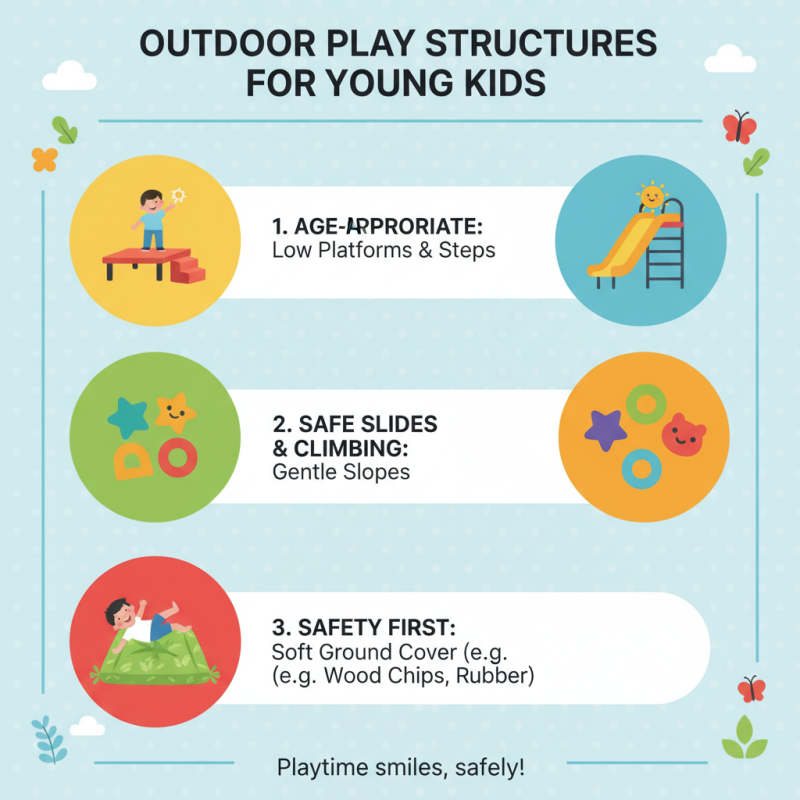
When choosing an outdoor play structure, consider the age of your children. Younger kids need equipment designed for their size and abilities. Look for structures with low platforms, small slides, and safe climbing areas. Bright colors and fun shapes can attract their attention. Soft surfaces beneath the equipment are essential for safety, too.
For older kids, the options expand. They seek more challenging structures. Features like climbing walls, zip lines, and taller slides appeal to their adventurous spirit. Multi-level playhouses can encourage imaginative play and social interaction. Ensure these structures are sturdy to handle active play. Keep in mind that some older kids may outgrow the equipment quickly. Select something that can adapt to their growing interests.
Yet, not every play structure meets all needs. Some fail to provide sufficient safety features. Others may be too complicated for younger kids. It's crucial to evaluate the design carefully. A trampoline might be fun, but safety is key. Assess your yard's space to find the right fit. Consider your children's changing preferences over time, too.
Safety Considerations When Choosing Outdoor Play Equipment
When choosing outdoor play equipment, safety is paramount. Parents must consider materials and structure. Look for equipment made from durable, non-toxic materials. Plastic should be UV-resistant to withstand harsh weather. Metal parts must be free from sharp edges. These details can prevent injury during play.
Soft landing surfaces are also crucial. Grass is not always enough to cushion falls. Rubber mulch or foam tiles can significantly reduce impact. Inspecting the equipment regularly is important, too. Wooden structures may develop splinters over time. Check for wear and tear frequently. Encourage children to play safely, but be aware of their roughhousing tendencies. Kids often forget about safety during fun.
Another consideration is the layout of your backyard. Ensure enough space around the play structure for safe movement. Avoid placing equipment near hard surfaces or obstacles. Supervision is essential. Parents should monitor playtime, especially for younger children. Emphasizing safety can lead to a more enjoyable play experience.
Why Choose an Outdoor Play Structure for Your Kids? - Safety Considerations When Choosing Outdoor Play Equipment
| Feature |
Details |
Safety Rating |
Recommended Age |
| Material Quality |
Durable and weather-resistant materials such as HDPE or treated wood. |
A+ |
2-12 years |
| Design Safety |
Rounded edges, no sharp corners, and secure anchoring. |
A |
3-10 years |
| Weight Capacity |
Supports multiple children with a combined weight limit of 600 lbs. |
A+ |
5-12 years |
| Surface Material |
Soft, non-slip surfaces to prevent falls and injuries. |
A |
2-10 years |
| Assembly |
Easy to assemble with clear instructions and minimal tools required. |
B+ |
3-12 years |
How Outdoor Play Structures Encourage Social Interaction
Outdoor play structures offer more than just a space for kids to run around. They serve as vibrant hubs for social interaction. When children play together, they engage in unstructured games that foster friendships. Climbing walls, swings, and slides become a backdrop for imaginative scenarios. Kids create their own worlds, often negotiating roles and rules among themselves.
These interactions can deepen social skills. As children navigate conflicts or cooperate in games, they learn valuable lessons in communication. Sometimes, disagreements arise. It’s a chance for growth. They learn to express their feelings, listen, and find common ground. All these experiences contribute to emotional intelligence.
However, not every child finds it easy to join in. Some may feel shy or hesitant. They might struggle to approach others. It's crucial for parents and caregivers to support these children. Encouraging small group play can help. A shared goal, like building a fort, might make interaction easier. Outdoor play structures can be powerful tools for fostering connections. But they also require mindful navigation of each child's comfort level.
Maintenance Tips for Keeping Outdoor Play Structures in Good Condition
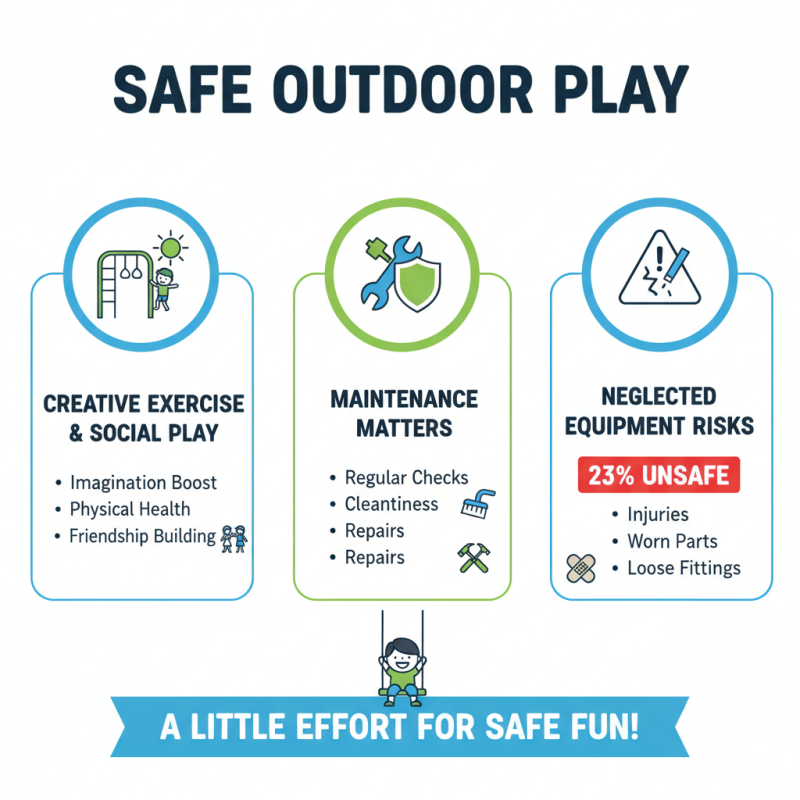
Outdoor play structures offer kids a creative space for exercise and social play. However, keeping them in good condition requires regular maintenance. According to industry studies, about 23% of outdoor play equipment suffers from neglect that leads to safety issues. A little effort can ensure your children enjoy their playtime safely.
One tip for maintaining these structures is to perform regular inspections. Look for rust or damage on metal parts. Check wooden components for splinters or decay. It’s suggested to do this at least twice a year, especially after harsh weather. Clean the surfaces regularly to remove dirt and debris. A clean surface is not just about aesthetics; it can prevent wear and prolong life.
Since weather can be brutal, consider investing in protective coverings. They can shield the structure from rain, snow, and harmful UV rays. Be mindful of the area around the equipment. Use mulch or soft grass to cushion falls. According to the National Association for the Education of Young Children, maintaining a safe play area reduces the risk of injury by up to 40%. Small, consistent actions make a big difference in the longevity of outdoor play structures.
 +86-13901441113

 CONTACT NUMBER
 CONTACT NUMBER