How to Choose the Best Playground In The Park for Kids?
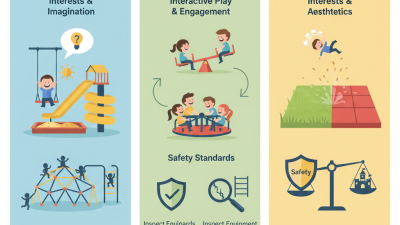
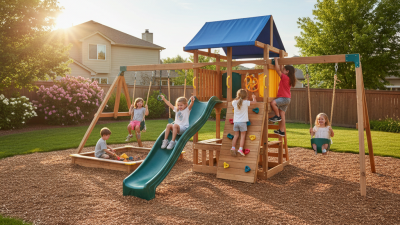
When selecting the best playground in the park for kids, safety and developmental benefits are paramount. Studies indicate that over 200,000 children visit emergency rooms yearly due to playground injuries, emphasizing the need for careful selection. A playground in the park should have safety features, such as soft surfaces and age-appropriate equipment.
Furthermore, engaging playgrounds can foster physical and social development. According to the National Association for the Education of Young Children, play promotes cognitive growth and emotional well-being. Experts recommend diverse play areas to support various skills, from climbing to imaginative play.
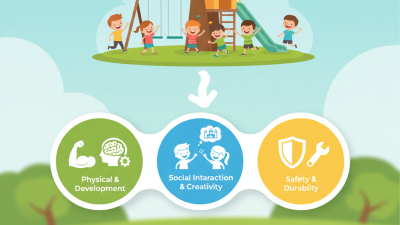
Despite the options available, not all playgrounds are created equal. Some lack maintenance or adequate space for free play. A critical assessment of facilities can guide parents in making informed choices. Ultimately, the ideal playground in the park caters to children’s needs for safety, engagement, and social interaction.
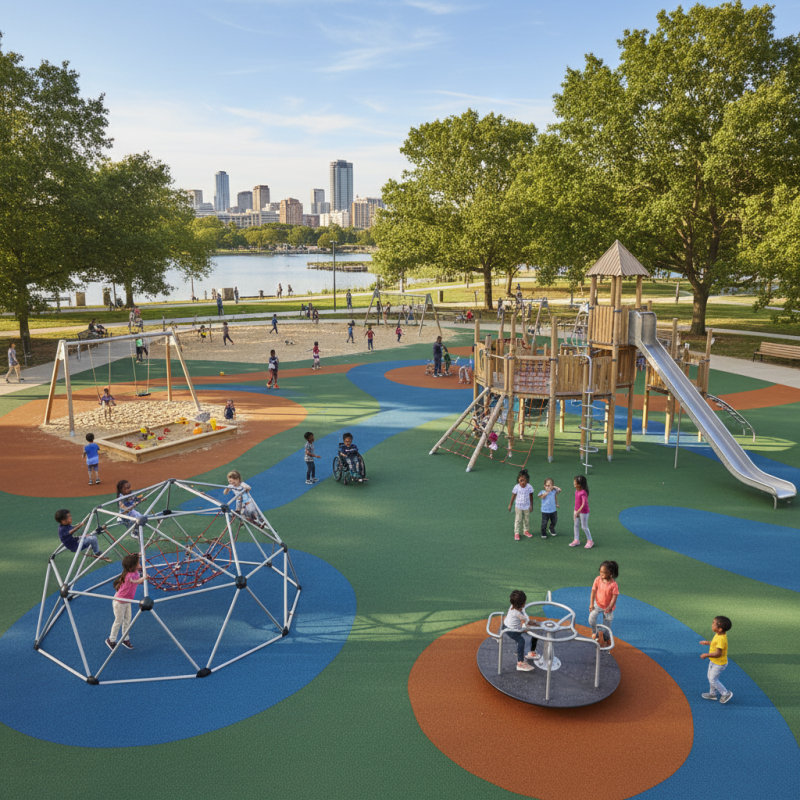
Factors to Consider When Selecting a Playground for Children
When selecting a playground for children, safety should be a primary consideration. According to the American Academy of Pediatrics, nearly 200,000 children visit emergency rooms each year due to playground-related injuries. Choosing a playground with appropriate surfacing materials can help mitigate risks. Look for areas that use rubber mats, engineered wood fiber, or sand to cushion falls. These materials reduce the likelihood of serious injuries from slips or falls.
Accessibility is another vital factor. The U.S. Access Board advises that playgrounds should be designed to accommodate children with disabilities. This includes offering wheelchair-accessible paths and equipment that can be used by differently-abled children. Ensuring inclusivity can promote a diverse play environment, enhancing social skills among all kids.
Additionally, consider the variety of equipment available. The National Playground Safety Institute emphasizes that a mix of equipment encourages different types of play. Swings, climbing structures, and slides cater to varied interests and developmental needs. Children benefit from engaging in physical activity alongside imaginative play. When visiting a park, observe how children interact with the equipment. The best playground should foster creativity and interaction while also being safe and welcoming to all children.
Age Appropriateness of Playground Equipment
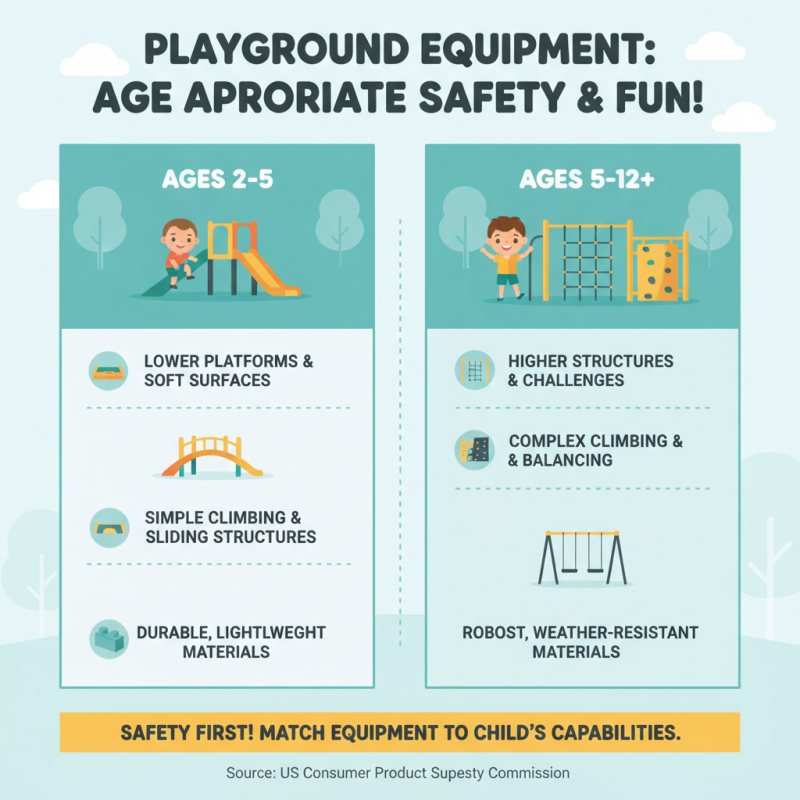
Choosing age-appropriate playground equipment is vital for children's safety and development. According to the U.S. Consumer Product Safety Commission, injuries occur frequently when equipment does not match children's capabilities. Children aged 2-5 need softer surfaces and lower platforms. They enjoy simpler structures that promote climbing and sliding. For them, durable but lightweight materials are ideal.
On the other hand, equipment for ages 5-12 should challenge kids mentally and physically. Climbing walls and balance beams become essential for building coordination and strength. The National Association for the Education of Young Children recommends that play areas include varied equipment, helping children develop different skills. A common oversight is not considering the size and spacing of play structures, which can lead to accidents if children don't fit comfortably.
Size matters when assessing accessibility. Playgrounds must cater to different heights and abilities. The layout should facilitate free movement, allowing parents to supervise without obstruction. Organizing equipment too closely together can lead to overcrowding. Reflecting on these factors can help create a functional and fun environment for all children.
Safety Features and Maintenance Standards
When selecting a playground in the park, safety features are paramount. Look for age-appropriate equipment that minimizes injury risks. For instance, soft surfaces like rubber or wood chips are vital. They reduce the impact from falls. Additionally, check for rounded edges and sturdy structures. These aspects create a safer environment for children.
Regular maintenance of playgrounds is often overlooked. Playgrounds require routine inspections to identify wear and tear. Cracked slides or loose bolts can pose safety hazards. Park authorities should conduct these checks frequently. If these standards are neglected, injuries may occur more easily. Look for signs of recent maintenance, such as fresh paint or repaired equipment. This can indicate a commitment to safety.
While it’s ideal to find a park that meets all safety standards, imperfections exist. Some parks may lack proper footing or sufficient shade. Observing how children interact with the play area can provide insights. Parents should advocate for improvements. Reflecting on these details ensures a safer and more enjoyable experience for kids.
Accessibility for Children with Disabilities
When selecting a playground, it’s crucial to consider accessibility for children with disabilities. Approximately 15% of children aged 3-17 in the U.S. have a developmental disability, according to the CDC. This statistic emphasizes the need for inclusive play spaces.
Accessible playgrounds should feature ramps, sensory play equipment, and ample space for mobility devices. Using materials that are easy to grip and manipulate is also essential.
Additionally, sensory integration components can greatly benefit children with autism or other sensory processing disorders. Many sensory-rich elements, such as textured panels and interactive musical instruments, foster engagement. Research indicates that such features can improve social interactions and communication among children of differing abilities. However, while many parks aim for inclusivity, not all meet the necessary standards.
Playground design often overlooks simple elements like shade or cushioned surfaces. Poorly maintained areas can deter use by children with disabilities, raising safety concerns. Reports suggest that 45% of non-accessible sites remain underused. This creates a gap in opportunities for play and socialization. Advocating for better design and regular maintenance is crucial for promoting inclusive environments.
Location and Surrounding Environment of the Playground
Choosing the right playground for kids goes beyond just the equipment. The location and surrounding environment hold significant value.
A well-placed playground invites play and encourages kids to explore.
Playgrounds nestled near natural features, such as trees or hills, can provide stimulation in a serene setting.
Assessing safety in the area is crucial too.
Proximity to busy roads may pose risks. Look for shaded spots where children can escape the sun.
A playground surrounded by ample green space offers areas for picnics or relaxation for parents.
Such an environment promotes healthy outdoor activity and social interaction among kids.
Consider accessibility as well. Is the playground easy to reach for families with strollers or those using public transport?
The walk to the playground should be safe and pleasant. A well-chosen location can enhance your child's play experience
and provide a nurturing atmosphere. Reflect on these aspects to find a playground that supports
not only fun but also security and well-being.
Conclusion
Choosing the best playground in the park for kids requires careful consideration of several key factors. First and foremost, the age appropriateness of playground equipment ensures that children can engage safely with the structures designed for their developmental stage. Additionally, safety features and maintenance standards play a crucial role in protecting children while they play, providing parents with peace of mind.
Accessibility for children with disabilities is another important aspect, as inclusive designs promote equal play opportunities for all kids. The location and surrounding environment of the playground in the park can significantly impact children's enjoyment and safety, while having engaging activities and a variety of play structures keeps children actively involved and entertained. By taking these factors into account, parents can select the ideal playground experience for their children.
 +86-13901441113

 CONTACT NUMBER
 CONTACT NUMBER