What is Garden Play and How to Choose the Best Options?
Garden play is an essential part of childhood development. Experts agree on its importance. Dr. Emily Carter, a renowned child play specialist, states, "Engaging in outdoor play nurtures creativity and fosters social skills."
When choosing the best options for garden play, parents face many challenges. Options vary widely, including swings, climbing frames, and sensory gardens. Each has its own benefits and drawbacks. It’s crucial to consider space and safety. Not every garden is suitable for large structures.
Evaluating products can feel overwhelming. Some may look enticing but lack durability or safety features. Consider materials and construction quality. Children deserve safe environments that inspire play. Each choice reflects both creativity and practicality. Think about how children will interact with the play items. Assessing these factors can lead to enriching experiences. Garden play shouldn’t merely fill space; it should spark joy and learning.
Understanding Garden Play: Definition and Importance
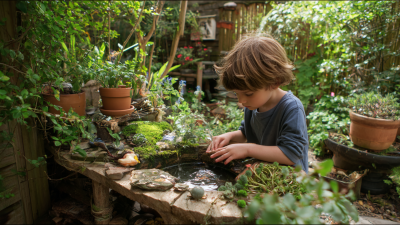
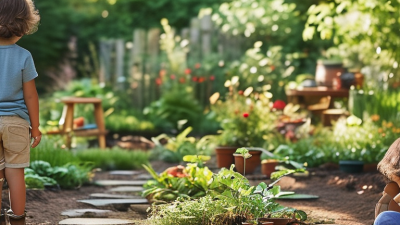
Garden play refers to outdoor activities that foster creativity and physical development in children. It is more than just fun; it serves several essential purposes. Engaging in garden play allows children to explore nature, learn about plants, and develop a sense of responsibility. They can observe the changing seasons and understand ecosystems. Such interactions can be pivotal for their cognitive growth.
Choosing the right options for garden play is crucial. One might consider features like safe equipment, available space, and natural elements. Incorporating a mix of structures and free play areas maximizes enjoyment. Children benefit from climbing structures but also adore simple tools like shovels and watering cans. However, parents should always assess safety. What seems fun at first might pose risks. Reflecting on the environment, the choice of plants, and even the type of soil can impact play experiences significantly.
The key to effective garden play is flexibility. Some days, children may want to dig, while on others, they may prefer to build or create. This variability encourages adaptability, a vital life skill. Evaluating each session can provide insights into what works and what does not. By understanding the children’s preferences, one can make informed decisions that enhance their garden play experience.
Garden Play Participation by Age Group
Types of Garden Play Activities for Children and Adults
Garden play encompasses a variety of engaging activities that foster creativity and physical development for all ages. According to a study by the American Academy of Pediatrics, outdoor play is essential for children's growth. It helps enhance motor skills, promotes social interaction, and boosts emotional well-being. Adults can also benefit from garden activities, using them as a means to connect with nature and relieve stress.
Popular garden play activities include simple gardening tasks, nature scavenger hunts, and storytelling circles. These activities encourage active participation. For instance, community gardens bring families together. They cultivate teamwork and responsibility. Research shows that such interactions can significantly improve community ties and mental health.
Choosing the right garden play activity requires understanding your audience. Different age groups prefer varying activities. Young children enjoy sensory play like digging in the soil or planting flowers. On the other hand, older children and adults may find joy in landscaping or creating garden art. Having a mix can make garden spaces more inclusive. Feedback from participants can guide future events.
Factors to Consider When Choosing Garden Play Options
When considering garden play options, safety is a key factor. Ensure that materials are non-toxic and durable. Look for items made from quality wood or weather-resistant plastics. Check for sharp edges or small parts that could pose risks. A safe outdoor environment encourages kids to explore more freely.
Another important aspect is the age appropriateness of the play equipment. Different age groups have varying needs. Toddlers might benefit from simple, low-to-the-ground structures. Older children may seek more challenging options. Pay attention to the recommended age range for each piece of equipment. This can help prevent accidents and ensure enjoyable experiences.
Lastly, take into account the available space. Measure your garden carefully. You want enough room for the equipment while leaving space for movement. Overcrowding a garden can lead to a chaotic play area. Consider arranging equipment to allow for creative play and easy supervision. Sometimes, a less cluttered space can lead to more imaginative play.
Best Materials and Equipment for Garden Play
Choosing the right materials and equipment for garden play can enhance your outdoor experience. Natural elements like wood and stone are excellent choices. They blend well with nature and are safe for kids. Metal structures can be sturdy but may heat up under the sun. Opt for materials that are non-toxic and durable to ensure long-lasting play spaces.
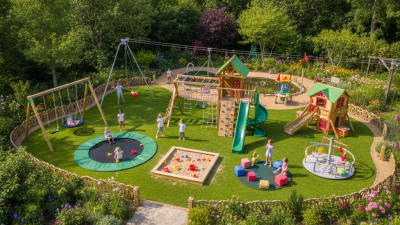
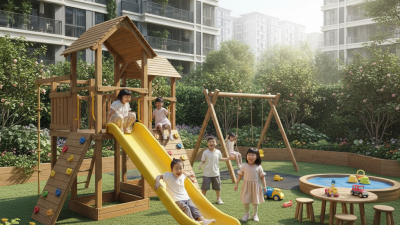
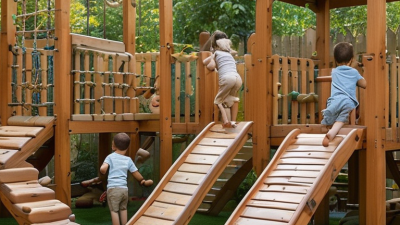
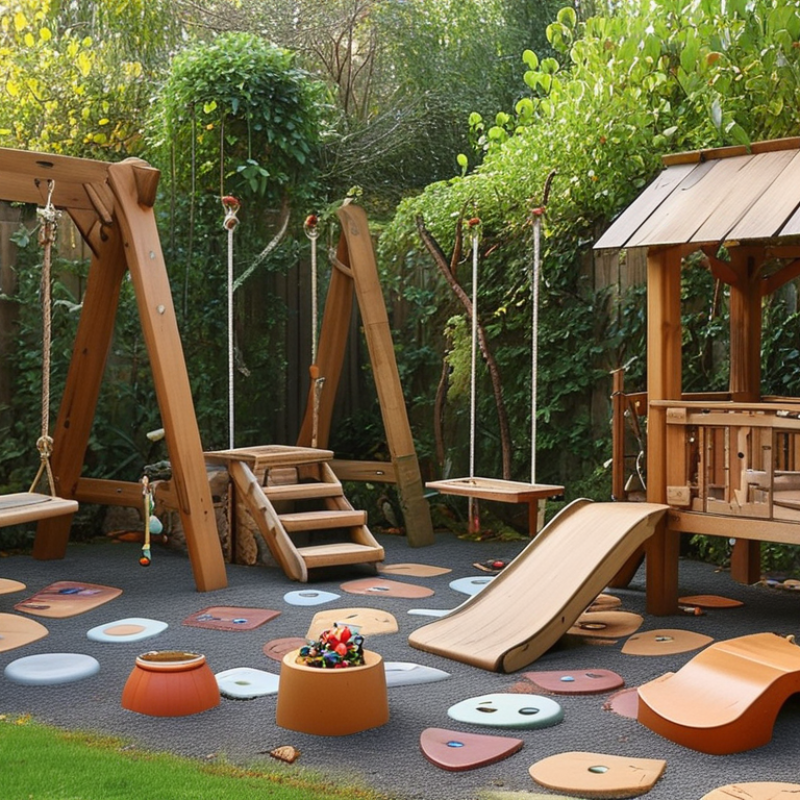
When selecting equipment, consider a variety of options. Swing sets and climbing frames are popular. They encourage physical activity and creativity. However, always check for safety features like rounded edges and sturdy construction. Water play stations can also add fun, but remember to account for safety against slips. If possible, invest in modular equipment that can adapt as your children grow.
Incorporating loose parts like sand, pebbles, and logs inspires imaginative play. Community feedback can be invaluable here. What works for one family may not fit another’s needs. Regular maintenance checks are essential. These ensure safety and longevity. Engaging children in the selection process fosters their sense of ownership and responsibility.
What is Garden Play and How to Choose the Best Options? - Best Materials and Equipment for Garden Play
| Category |
Material/Equipment |
Description |
Benefits |
| Play Structures |
Wooden Playhouse |
A small house designed for children to play in, promoting imaginative play. |
Encourages creativity, social interaction. |
| Swing Sets |
Metal Swing Set |
Durable swing set made of metal with multiple swing options. |
Promotes physical activity and coordination. |
| Sandboxes |
Wooden Sandbox |
A contained area filled with sand for digging and building. |
Encourages sensory play and fine motor skills. |
| Gardening Tools |
Children's Gardening Set |
A set of small tools designed for children's gardening activities. |
Teaches responsibility, environmental awareness. |
| Nature Exploration |
Magnifying Glass |
A handheld lens for examining small objects in nature. |
Enhances observation skills and interest in biology. |
Tips for Creating an Engaging Garden Play Environment
Creating an engaging garden play environment requires thoughtful planning and creativity. Start by considering the variety of plants and their maintenance. Native plants can attract local wildlife, making the garden more lively. Include sensory elements, like aromatic herbs or colorful flowers. Children will enjoy touching and smelling the plants.
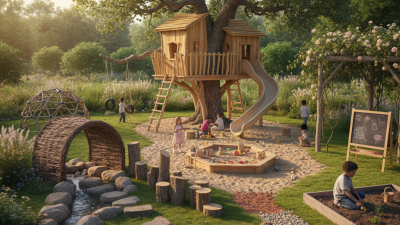
Adding play structures is another vital aspect. Think beyond traditional swings. Consider a sandpit or climbing frames made from natural materials. These options encourage exploration. Remember, safety is crucial. Always check for sharp edges or unstable surfaces that could lead to accidents.
Paths through the garden can guide play and discovery. Use gravel or mulch to define areas. This encourages children to move around freely and explore different sections. However, be mindful of accessibility. If some areas are difficult to reach, it can limit play options. Regularly assess what works and what doesn’t. Take time to observe how children interact with the space. Adapt the garden to suit their evolving interests.
 +86-13901441113

 CONTACT NUMBER
 CONTACT NUMBER