Top Tips for Choosing the Best Outdoor Play Slide for Kids?
Choosing the right Outdoor Play Slide for kids can be challenging. Expert in outdoor play equipment, Dr. Emily Sanders, emphasizes, “Safety and engagement are key when selecting play equipment.” Her words highlight the need to prioritize children's safety while ensuring they enjoy playtime.
When exploring options, consider your yard size and available space. A larger slide may seem more fun but could pose safety concerns. A compact slide might be safer but less exciting for adventurous little ones. Balance is crucial, and thoughtful choices lead to better play experiences.
Moreover, materials play a significant role. Slides made of high-quality plastic are durable. However, not all plastics are created equal. Some may fade or crack over time. Research different brands and check user reviews to ensure reliability. Reflecting on your choices can lead to a safer, happier playtime for your children. Choose wisely to create joyful memories.
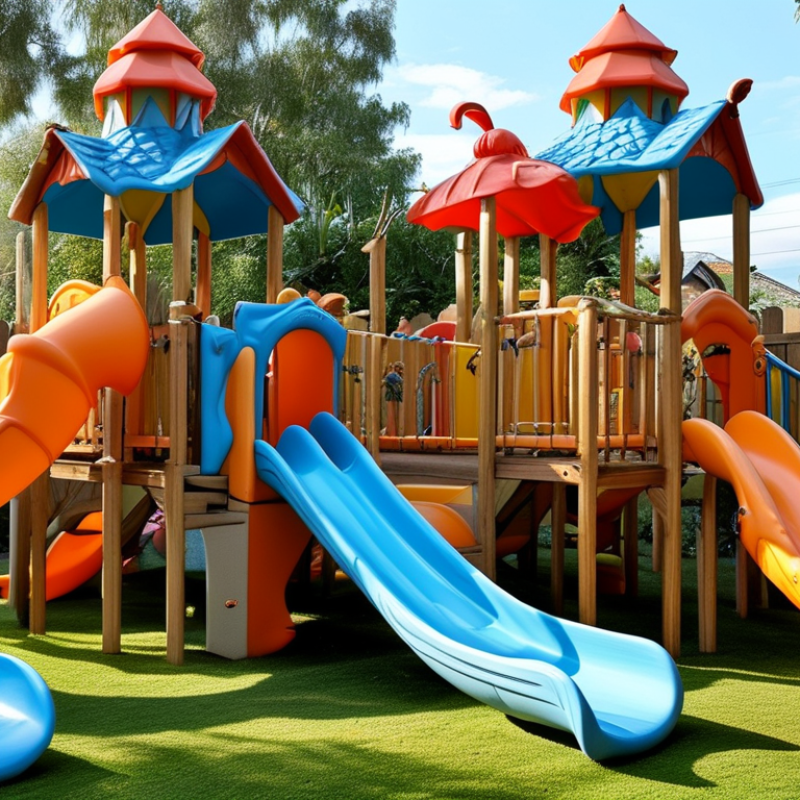
Choosing the Right Size: Understanding Slide Height and Length Standards
When choosing an outdoor play slide for kids, understanding slide height and length standards is crucial. Research shows that slides 3 to 5 feet in height are suitable for toddlers, while those 5 to 7 feet are ideal for older children. This height helps prevent accidents while encouraging safe play. A slide that is too tall may intimidate younger kids. Conversely, slides that are too short may not provide sufficient thrill, leading to a lack of interest.
Length is just as important. A slide length of at least 5 to 10 feet ensures a smooth ride and an enjoyable experience. According to recent surveys, children are more likely to use slides that offer a descent that feels exciting but still safe. Many parents overlook the angle of the slide. A steeper angle may increase speed but also raises safety concerns. Industry experts recommend an angle of 30 to 40 degrees for optimal balance between fun and safety.
It's essential to consider the space available in your yard. A slide must fit comfortably without cramping play areas. Too often, parents purchase slides that are either too large or too small for their yards. Children need ample room to run and play around the slide. Regularly assessing your play area for safety hazards is also vital in ensuring a fun experience.
Material Matters: Comparing Plastic, Metal, and Wood for Durability
When selecting an outdoor play slide, material plays a crucial role. The three common materials are plastic, metal, and wood. Each has unique attributes affecting durability and safety. Plastic slides are lightweight and resistant to rust. Studies show they withstand UV exposure well, retaining color for years. However, they may warp in extreme temperatures.
Metal slides offer long-lasting durability. They are sturdy and have a high weight tolerance. According to industry reports, metal slides can last over a decade with proper maintenance. They retain heat, which might make them uncomfortable on sunny days. Conversely, wood slides provide a natural appeal. They blend well with outdoor settings. However, untreated wood may splinter, presenting safety hazards. Regular maintenance is crucial to prevent rot.
Parents often overlook the importance of proper installation. A poorly installed slide, regardless of material, poses risks. Following manufacturer guidelines is essential. The best material choice should consider the climate and usage frequency. Ultimately, assessing each material's pros and cons is vital for safety and longevity.
Safety Features: Importance of Rounded Edges and Non-Slip Surfaces
When choosing the best outdoor play slide, safety features are a top priority. Rounded edges are crucial for preventing injuries. Reports indicate that over 200,000 children are treated annually for slide-related injuries in the U.S. Many of these injuries stem from sharp corners. A rounded design minimizes the risk of cuts and bruises during play.
Non-slip surfaces also play a vital role. Research shows wet slides are a major cause of falls. Slides designed with textured materials can significantly reduce slipping. According to industry studies, around 40% of playground accidents occur due to falls. Ensuring a safe surface can greatly decrease this statistic, making playtime enjoyable and secure.
It is worth noting that while safety features are essential, parents should regularly inspect the equipment. Wear and tear can compromise safety, even in high-quality slides. Parents report that some surfaces become slippery over time, highlighting the need for vigilance. Investing in a slide is just the beginning; ongoing maintenance is key for ensuring children's safety.
Age Appropriateness: Selecting Slides for Different Developmental Stages
When selecting an outdoor play slide, age appropriateness is crucial. Different age groups have varying needs in terms of safety and design. For toddlers, a low-profile slide with gentle inclines is ideal. They require a safe environment to boost their confidence. A slide that is too steep can be intimidating and may lead to accidents.
Preschoolers can handle a bit more excitement. Slides with moderate heights and twists can engage them. These children are developing physical skills and need slides that pose a challenge but remain safe. Opting for bright colors and fun shapes can also enhance their play experience.
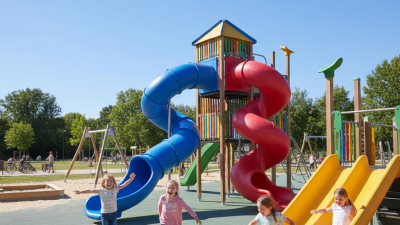
For older kids, higher slides with more complex features like tunnels or spiral designs can be thrilling. However, supervision remains essential. Remember, safety standards are crucial, and checking for sturdy construction is vital. Balancing fun with safety is key. Reflect on the intended use and monitor how kids interact with the slide. This ensures you choose the right slide for their play needs.
Installation Considerations: Grounding and Space Requirements for Safety
When considering an outdoor play slide for kids, installation is key. Safety must be a priority. Check the ground’s surface before installation. Grass is a common choice, but it's not always ideal. Uneven terrain can cause accidents. Consider level ground to ensure stability.
Space requirements are also crucial. Slides need ample area around them. A clear zone of at least six feet from any obstacles is recommended. This prevents kids from running into walls or fences while playing. Think about how many children will be using the slide. A crowded area can lead to chaos. Ensure there’s enough room for safe play.
Grounding the slide is often overlooked. Properly anchoring helps maintain safety. Use concrete or stakes to secure the slide. Without this, it could tip over during use. Remember to regularly check the installation. Over time, the ground can shift, leading to instability. Always prioritize your child’s safety above all other factors.
Top Tips for Choosing the Best Outdoor Play Slide for Kids
This chart illustrates key safety considerations when choosing the best outdoor play slide for kids. Ensure sufficient space and grounding to enhance safety during playtime.
 +86-13901441113

 CONTACT NUMBER
 CONTACT NUMBER