Top 5 Garden Play Ideas for Kids to Enjoy Outdoor Fun
In today's fast-paced digital age, creating a space where children can engage in outdoor activities is more crucial than ever. According to a 2022 report by the National Association for the Education of Young Children (NAEYC), outdoor play opportunities significantly enhance children's physical health, creativity, and problem-solving skills. With families increasingly seeking ways to promote an active lifestyle, "Garden Play" has emerged as a popular solution, offering a perfect blend of nature and imagination.
Expert in child development and outdoor play, Dr. Laura Jones, emphasizes the value of such environments: "Engaging children in garden play not only fosters a love for nature but also improves their social skills and emotional well-being." As we explore the top five garden play ideas for kids, it's clear that these fun outdoor activities not only entertain but also contribute significantly to developmental milestones. By incorporating elements of "Garden Play" into their routines, parents can create memorable experiences that inspire learning and joy in the great outdoors.
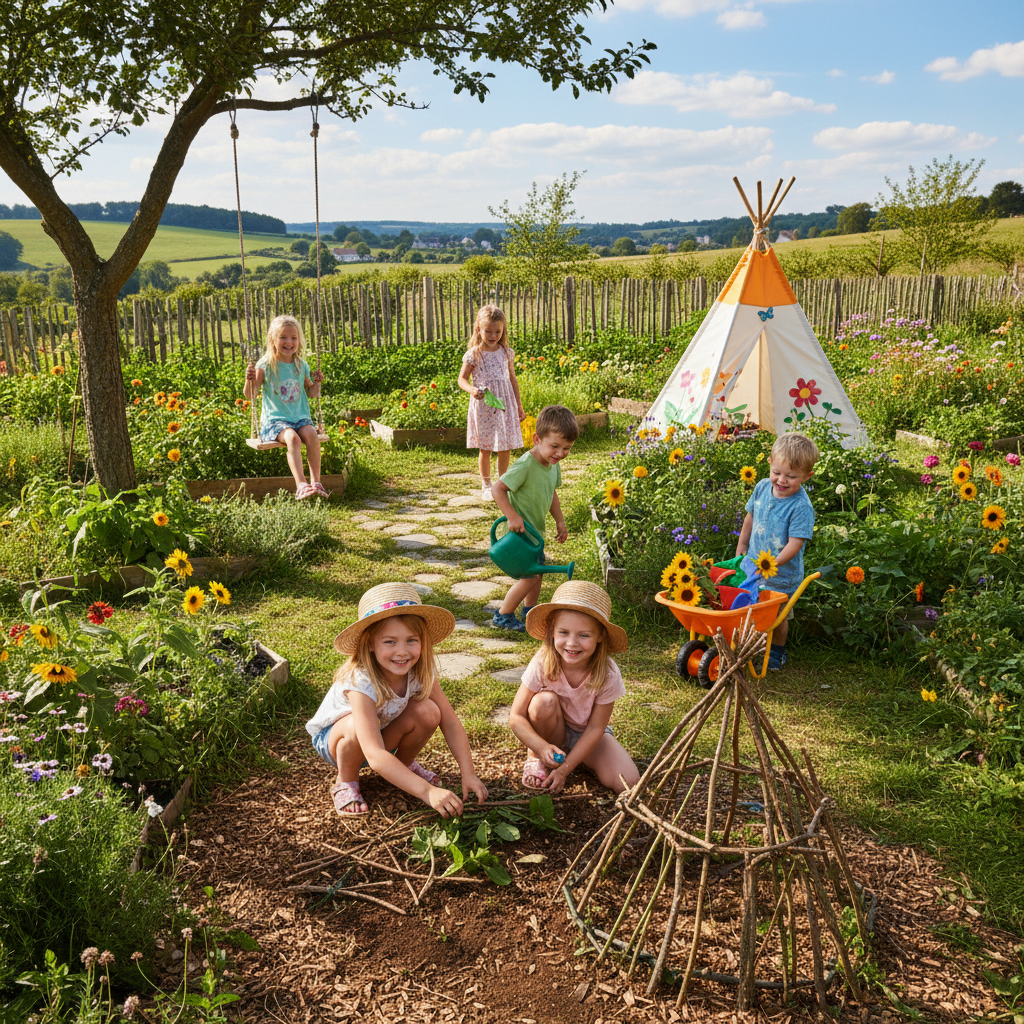
Engaging Nature Scavenger Hunts to Spark Curiosity in Kids
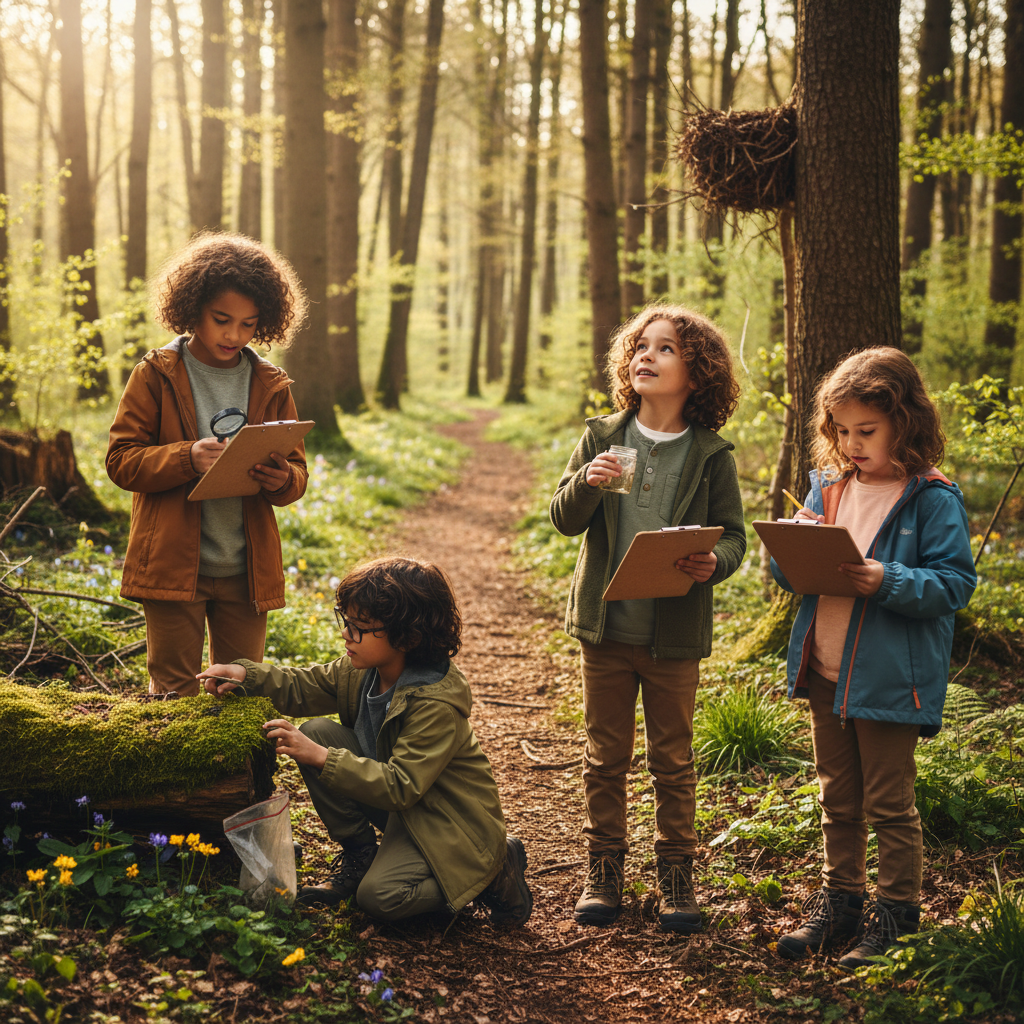
Nature scavenger hunts are a fantastic way to engage children with the outdoors while fostering curiosity and exploration. According to the National Recreation and Park Association, children who spend more time in nature are not only happier but also develop better observational skills and resilience. A well-structured scavenger hunt can encourage kids to investigate their surroundings, identify various plants, insects, and animals, and learn about nature’s intricacies, all while having fun.
To create an engaging scavenger hunt, parents and educators can develop a list of local flora and fauna unique to their area. Research from the American Academy of Pediatrics highlights that spending unstructured time outdoors promotes physical health and contributes positively to children's mental well-being. By encouraging kids to search for specific items, like a red leaf or a feather, they are prompted to observe closely and appreciate the diversity in nature. This activity not only enhances their understanding of ecosystems but also allows them to develop a sense of ownership about their environment, nurturing a lifelong love for the outdoors.
Creative DIY Garden Games for Fun-Filled Outdoor Adventures
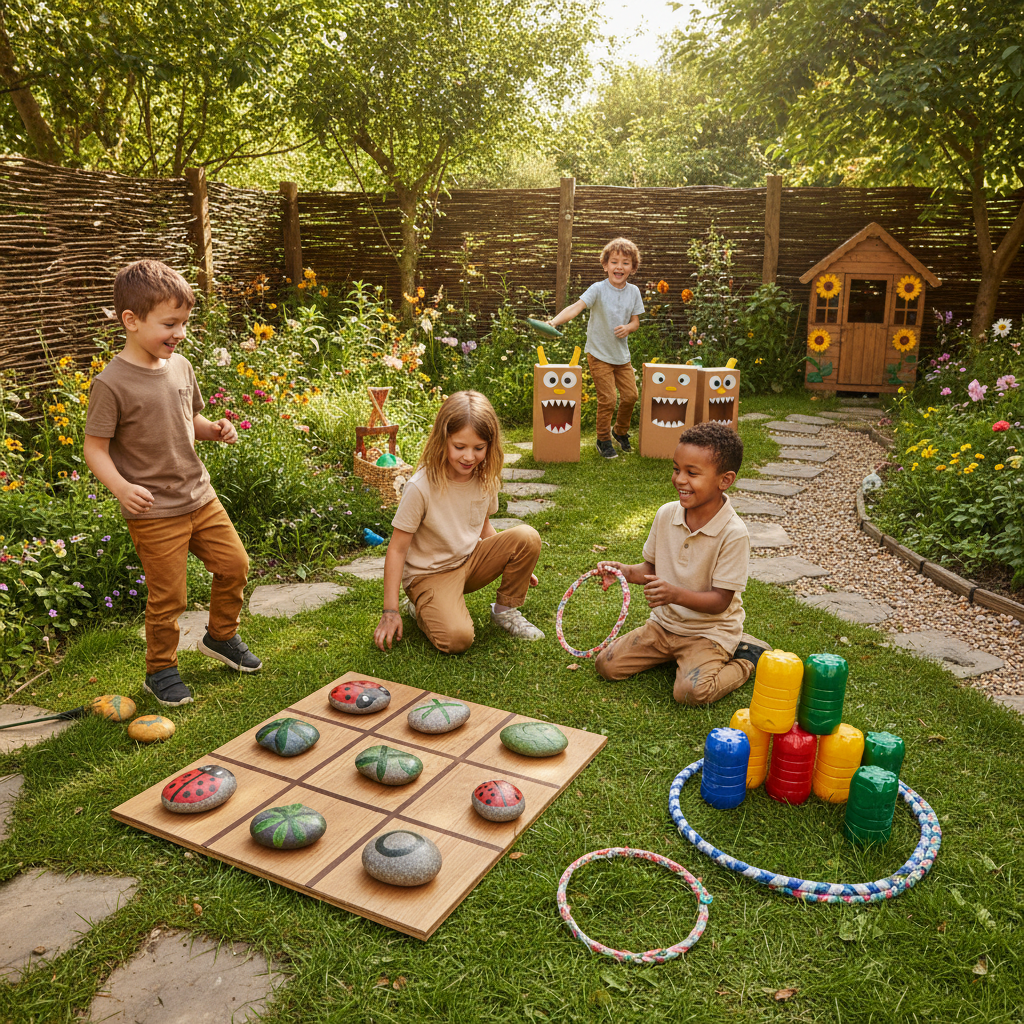
Engaging children in outdoor play is crucial for their physical and mental development. According to a report by the American Academy of Pediatrics, outdoor play can help reduce symptoms of anxiety and depression, making it essential for parents to encourage their kids to enjoy nature. Creating DIY garden games not only provides entertainment but also fosters creativity and social skills. By designing unique games together, children can enhance their problem-solving strategies while immersed in a fun, collaborative environment.
Consider building a simple yet exciting obstacle course using items around your garden—hula hoops, ropes, and jumpers can be creatively combined to challenge children while promoting physical activity. According to research from the National Institute for Play, children who engage in such physical challenges demonstrate improved coordination and balance. Another engaging idea is to set up a scavenger hunt tailored to your garden, where kids can search for specific plants or insects. This activity not only sparks their curiosity about nature but also encourages teamwork and critical thinking, skills vital in today's world.
Building Miniature Fairy Gardens to Inspire Imagination and Play
Creating miniature fairy gardens is a magical way to ignite children's imaginations and encourage outdoor play. These whimsical gardens can be designed in any small container or directly in the ground, featuring miniature homes, tiny furniture, and enchanting decorations. Kids can spend hours selecting a variety of plants, pebbles, and fairy figurines, allowing their creativity to flourish as they craft a unique world of their own.
In addition to fostering imaginative play, building fairy gardens offers numerous benefits for children's development. It provides hands-on experience with gardening, teaching them about plant care and the environment. This interactive activity also boosts problem-solving skills as they figure out how to arrange their garden elements harmoniously. Moreover, fairy gardens can become a collaborative project, encouraging teamwork and social skills as children join forces to design and create their magical space. Overall, this enchanting activity not only entertains but also promotes valuable life skills through playful exploration.
Top 5 Garden Play Ideas for Kids to Enjoy Outdoor Fun
| Play Idea |
Description |
Materials Needed |
Estimated Time |
| Miniature Fairy Gardens |
Create a small, magical garden with fairy houses and tiny decorations. |
Pots, soil, small plants, decorative items |
1-2 hours |
| Nature Scavenger Hunt |
Kids explore the garden to find and collect various natural items. |
Scavenger hunt list, bags for collecting items |
1 hour |
| Garden Art Projects |
Painting rocks or making sculptures to decorate the garden. |
Rocks, paint, brushes, clay |
2-3 hours |
| Miniature Garden Fairy Houses |
Build tiny houses for fairies using natural elements. |
Twigs, leaves, stones, glue |
1-2 hours |
| Garden Obstacle Course |
Set up a fun course with challenges like jumping and crawling. |
Ropes, cones, hula hoops |
1 hour |
Fun and Active Obstacle Courses for Energetic Playtime in the Garden
Creating engaging and active obstacle courses in the garden can transform a simple backyard into an exciting playground for kids. According to the American Academy of Pediatrics, physical activity is crucial for children’s health, as it not only promotes physical fitness but also supports cognitive development and emotional well-being. Setting up a series of fun and challenging activities encourages energetic play, helping children develop coordination, strength, and problem-solving skills. Simple elements like tunnels made from cardboard, balance beams using logs, and jumping stations with hula hoops can easily be organized in any garden space.
Moreover, a report from the CDC points out that children should engage in at least 60 minutes of physical activity every day. Obstacle courses are an effective way to ensure they meet this goal while having fun. By including various challenges—like crawling, jumping, and climbing—kids can improve their agility and endurance without even realizing they're exercising. DIY obstacle courses can be tailored to suit different age groups, allowing siblings to participate together, fostering teamwork and social interaction. This playful approach to fitness not only makes exercise enjoyable but also instills lifelong healthy habits in children.
Interactive Planting Projects to Teach Kids About Nature and Growth
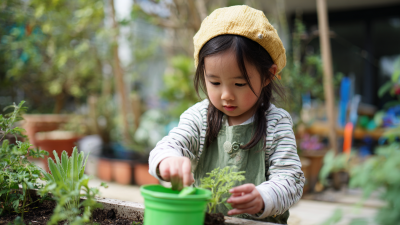
Engaging children in interactive planting projects not only nurtures their love for nature but also educates them about the growth process of plants. One exciting idea is to create a small vegetable garden. Kids can choose their favorite vegetables, dig into the soil, and plant the seeds. This hands-on experience teaches them patience as they wait for the seeds to sprout, ultimately leading to a rewarding harvest that they can enjoy in their meals.
Another fantastic project is to start a butterfly garden. By planting flowers like milkweed and coneflowers, children can attract butterflies and learn about their lifecycle. They can observe caterpillars transforming into butterflies, fostering a sense of wonder and curiosity about the environment. This not only enhances their understanding of nature but also encourages responsibility as they care for the garden and monitor its progress. Through these interactive planting experiences, kids gain valuable life skills and a deeper connection to the world around them.
 +86-13901441113

 CONTACT NUMBER
 CONTACT NUMBER