Top Playground In The Park Features You Should Know?
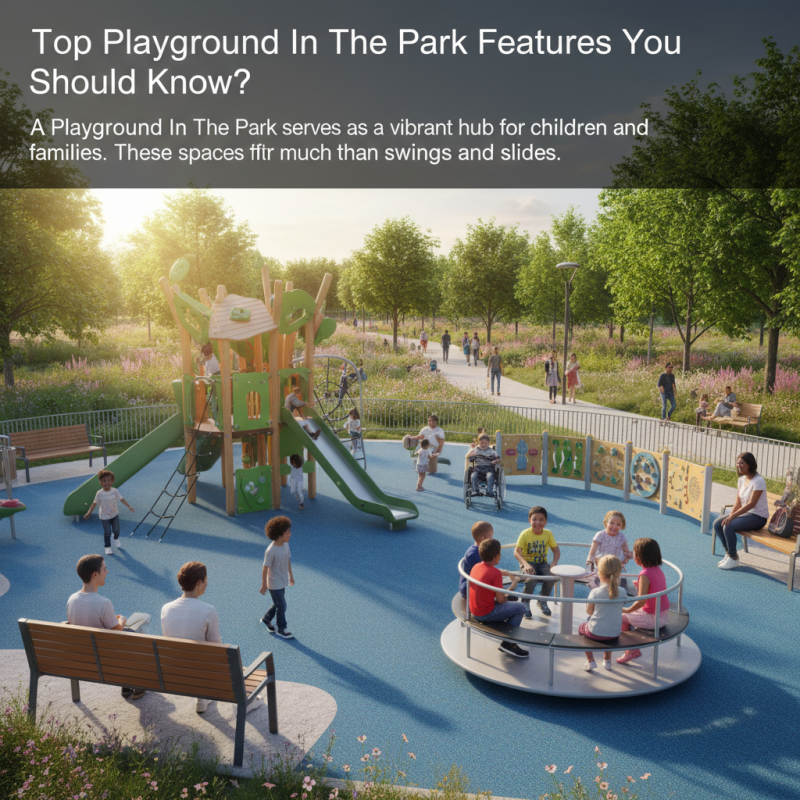
A Playground In The Park serves as a vibrant hub for children and families. These spaces offer much more than swings and slides. They foster social interaction, promote physical activity, and spark creativity. When choosing a playground, it's important to consider various features.
Look for equipment that encourages imaginative play. Climbing structures, merry-go-rounds, and sensory play panels are excellent additions. Safety is paramount. Soft surfaces and secure enclosures should always be prioritized. Also, community input can lead to better designs that cater to everyone’s needs.
While many parks boast excellent facilities, some fall short. Are there enough benches for parents? Is the playground accessible for all abilities? This is where we can reflect on improvements. Not every park will meet expectations, but advocacy for better playground designs can lead to positive change.
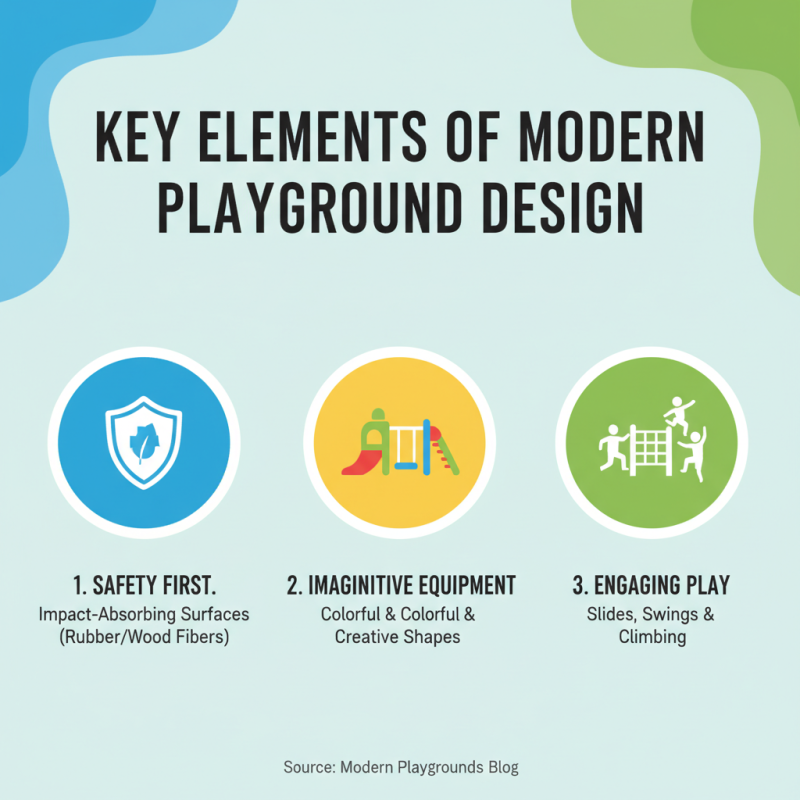
Key Elements of a Modern Playground Design
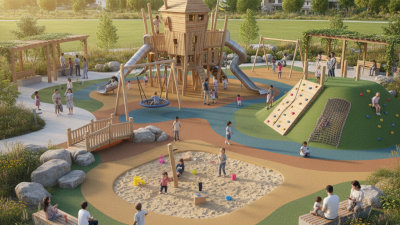
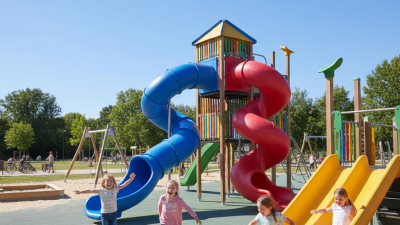
Modern playgrounds are designed with unique features that enhance children's play experiences. Safety is a top priority. Soft, impact-absorbing surfaces reduce injuries. These surfaces can be made of rubber or engineered wood fibers. Colorful and imaginative equipment encourages creativity. Slides, swings, and climbing structures offer various ways to engage.
In addition to safety, accessibility is crucial. Playgrounds should accommodate all children, including those with disabilities. Ramps, inclusive swings, and sensory-rich areas make a difference. Sensory play zones often include water features or tactile surfaces to stimulate exploration. Open spaces allow for free play and social interaction.
However, not all playgrounds meet these standards. Some may lack adequate maintenance, causing safety concerns. Parents often express worry over broken equipment or poorly designed layouts. Reflection on these issues is vital for improvement. Creating a fun, safe environment is a shared responsibility. Everyone—designers, parents, and communities—must work together.
Safety Features Essential for Park Playgrounds
When designing playgrounds, safety should be a top priority. According to the U.S. Consumer Product Safety Commission, around 200,000 children visit emergency rooms yearly due to playground-related injuries. Therefore, attention to safety features is paramount.
One essential safety feature is the use of impact-absorbing surfaces. Materials such as engineered wood fiber or rubber mats prevent injuries from falls—a common occurrence. A study by the National Program for Playground Safety found that nearly 70% of injuries occur due to falls from heights. Thus, ensuring surfaces are compliant with safety standards can significantly reduce risks.
In addition to surfaces, proper equipment design is crucial. Many injuries arise from equipment that doesn’t adhere to safety guidelines. For example, swings should have secure chains and be placed away from crowded areas. The CPSC emphasizes that supervision is vital. Yet, many parents struggle to keep up, especially in crowded parks. Enhancing safety features requires ongoing education and vigilance to ensure children play in a secure environment.
Inclusive Play Equipment for Children of All Abilities
Inclusive playgrounds are essential for fostering a sense of belonging. These spaces provide children of all abilities opportunities to play together. According to a recent report by the National Center on Accessibility, nearly 15% of children aged 6-17 have some form of disability. Therefore, creating welcoming environments is crucial.
Incorporating accessible swings, ramps, and sensory play areas can significantly enhance the experience for children with disabilities. Research shows that children with mobility challenges are 50% less likely to engage in outdoor play. This disparity highlights the need for thoughtful design in our community parks.
Tip: Consider add-on features like tactile surfaces and shaded areas. These details can make a huge difference for children with sensory sensitivities. Parents should also advocate for the inclusion of adaptive equipment in local parks. More inclusive spaces can change how children interact and engage with their peers. Remember, every child deserves the chance to play joyfully.
Innovative Play Structures to Encourage Physical Activity
In today’s parks, innovative play structures are transforming how children interact with their environment. These designs focus on encouraging physical activity while being fun. Climbing walls, ropes courses, and spinning features are just a few examples. These structures target core muscles and enhance coordination. They also encourage kids to explore their boundaries and take calculated risks.
When selecting a playground, look for diverse equipment. A good mix keeps children engaged. Pay attention to safety, too. Smooth surfaces and soft landings matter. Remember, it's not just about fun; it's about helping children learn through play. Parents should get involved, too. Encourage kids to try new activities. This adds a layer of support and builds their confidence.
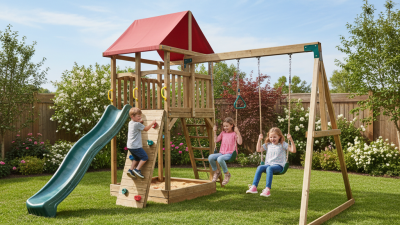
One tip: visit during off-peak hours for a less crowded experience. This allows children to fully engage with the structures without distractions. Another tip: observe what kids are drawn to. Their preferences can guide future visits or purchases for home play. Exploring new structures can lead to surprising favorites. While no playground is perfect, finding the right one makes all the difference.
Community Engagement in Playground Planning and Maintenance
Creating engaging and vibrant playgrounds relies heavily on community involvement. Local residents often have valuable insights on what features children and families truly need. Their input can lead to more effective designs, whether it’s a climbing structure or a splash pad. Engaging with the community ensures that playgrounds are not just spaces for play, but also for gathering and socializing.
Regular feedback and maintenance also hinge on community participation. Neighborhood volunteers can help keep the playground clean and safe. This creates a sense of ownership. A well-maintained area is inviting, yet the responsibility often falls short. How often do we see litter or broken equipment? Regular participation can help address these issues. When the community is involved, playgrounds maintain their vibrancy and appeal, reinforcing their role in community life.
Participation isn’t always seamless. Some community members might feel their voices are overlooked. Others may not engage due to lack of awareness. Organizing focused meetings can help bridge these gaps. It’s essential to recognize these issues and work collaboratively with all voices. Building a playground is not just about equipment; it’s about creating a nurturing environment for growth and connection.
Top Playground In The Park Features You Should Know
| Feature |
Description |
Community Engagement |
Maintenance Frequency |
| Inclusive Play Areas |
Spaces designed for children of all abilities. |
Community surveys to incorporate diverse needs. |
Monthly checks and seasonal upgrades. |
| Natural Elements |
Use of wood, sand, and plants to create a natural play environment. |
Workshops with local environmental groups. |
Quarterly maintenance and community clean-ups. |
| Safety Surfacing |
Impact-absorbing surfaces to reduce injuries. |
Regular feedback sessions for safety assessments. |
Biannual inspections for wear and tear. |
| Adventure Structures |
Climbing walls and ropes for physical activity. |
Community input on design through public forums. |
Weekly checks, with repairs as needed. |
| Water Play Features |
Interactive water elements for toddlers and older kids. |
Feedback from families for the best features. |
Seasonal checks, with summer maintenance focus. |
 +86-13901441113

 CONTACT NUMBER
 CONTACT NUMBER