+86-13901441113


Choosing the best Outdoor Play Slide involves more than selecting bright colors and a smooth finish. A safe, engaging slide should match children’s ages, abilities, height, and play habits. Dr. Joe Frost, a respected playground researcher, said, “Play is the business of childhood.” That idea should guide every purchase.
Look closely at the slide’s construction. Rounded edges should feel smooth beneath a child’s hand. The ladder needs firm steps, comfortable spacing, and secure handholds. A wide platform can reduce crowding, while a gentle slope may suit younger children. Check whether the slide includes UV-resistant plastic, rust-resistant fasteners, and strong anchoring points. These details matter in hot sun, heavy rain, and daily use.
The surrounding area deserves equal attention. Keep the exit zone clear of benches, fences, and hard surfaces. Use impact-absorbing ground material recommended for the equipment’s fall height. Shade can protect warm plastic from becoming uncomfortable. Drainage also matters after storms.
A bright color can mislead. Attractive design does not prove quality. Even experienced buyers may overlook installation details or maintenance access. Read the manufacturer’s instructions carefully. Confirm that the equipment has been tested against recognized playground safety standards. Ask a qualified installer to inspect the structure before children use it.
This guide will compare materials, safety features, age suitability, installation needs, and long-term value. The best Outdoor Play Slide should invite confident movement while giving caregivers practical peace of mind. Performance matters more than appearance. Aamma, no single slide suits every playground.
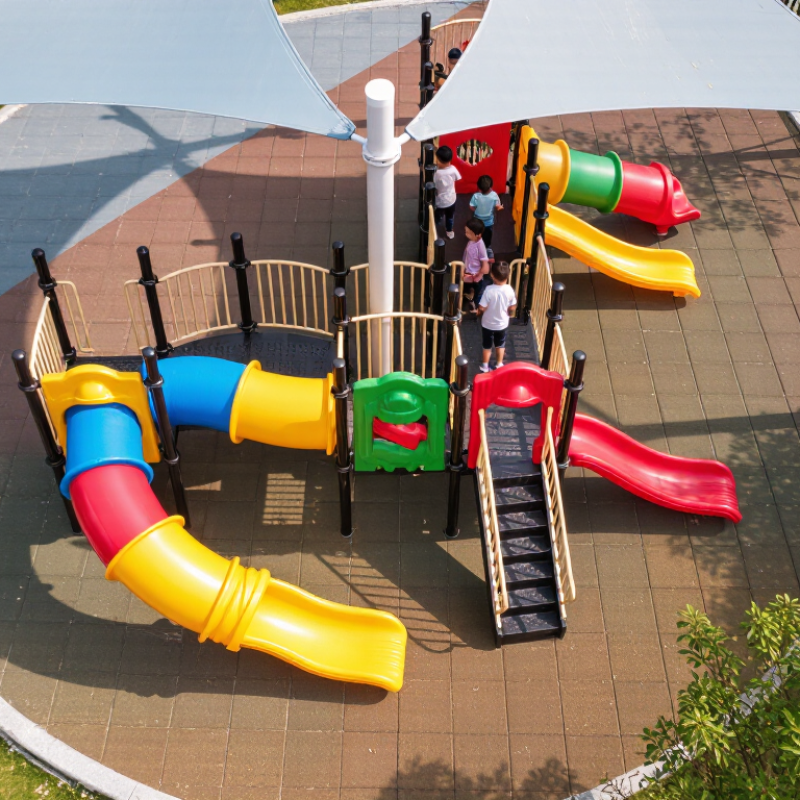
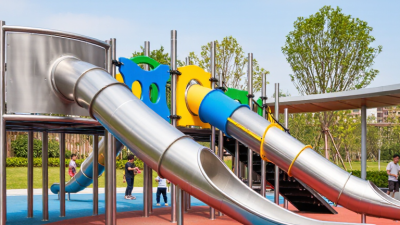
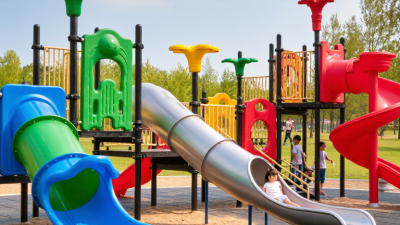
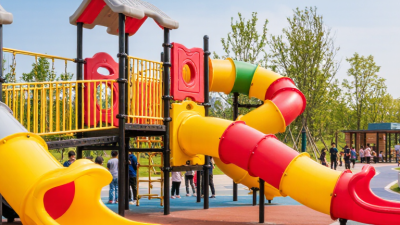
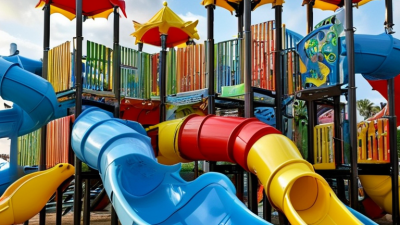
Outdoor slides differ in shape, visibility, and the space they need. Straight slides suit compact play areas and allow adults to watch children easily. Wave slides add gentle dips, while spiral slides offer a turning ride in a smaller footprint. Tube slides can feel more enclosed and exciting, but may make supervision harder. That trade-off matters.
Choose by matching the slide’s use to the children and setting. A low, open slide can work well for younger children and busy shared spaces. Taller or more complex designs need careful attention to access, landing space, and adult sightlines. The U.S. Consumer Product Safety Commission’s Public Playground Safety Handbook cites about 200,000 emergency-room-treated injuries involving playground equipment in 2001. This is historical, not a current annual estimate, but it underscores why safe layout matters. The handbook also emphasizes impact-absorbing surfacing and clear use zones around equipment.
Measure the site before choosing. Check the route from the platform to the landing area, and look for obstacles such as benches, fences, or tree roots. A spiral may save ground space, yet its shape can complicate visibility. I would not choose by excitement alone; sometimes the simplest open slide is easier to supervise. Verify manufacturer specifications and have the installation assessed for the intended age group.
How to Choose the Best Outdoor Play Slide?
Safety should guide every slide purchase. The U.S. Consumer Product Safety Commission reports about 200,000 playground injuries needing emergency treatment each year. Falls remain a major cause. A safer slide needs sturdy handrails, a guarded platform, and a clear exit zone. Check for rounded edges, covered bolts, and safe spacing between parts. The CPSC Public Playground Safety Handbook also recommends impact-absorbing surfacing beneath elevated equipment. Grass is not enough.
Material choice affects comfort and durability. UV-stabilized plastic usually feels smoother and stays cooler than bare metal in strong sunlight. Galvanized or powder-coated steel can resist rust, but chipped coatings need quick attention. Wood may look attractive, yet cracks and splinters demand regular inspection. Look closely at welds, joints, anchors, and drainage holes. A slide that wobbles during a gentle push should not pass inspection. ASTM F1148 offers relevant guidance for home-use playground equipment, while ASTM F1487 covers public-use equipment.
Tips: Measure the landing area with a tape measure. Watch the slide at midday, not only in a showroom. Test every fastener. Keep the manufacturer’s installation instructions. CPSC injury data is useful, but it cannot predict every household hazard. Even careful buyers can miss a small gap or loose anchor. That is the uncomfortable part. Inspect the slide before use, after severe weather, and throughout the season.
Choosing a slide starts with the child, not the yard. Check the maker’s stated age range, then consider how confidently the child climbs, balances, and follows directions. A toddler may need low steps, handholds, and a short, gentle chute. Older children often enjoy more height, but height alone does not make a slide suitable. Read the product’s age and weight guidance; children of the same age can have very different abilities. That detail is easy to overlook.
Measure the available space before choosing a size. Include the slide’s full footprint, the area where children land, and room to approach the ladder without crossing a walkway. Look above, too: branches, eaves, and overhead play equipment can limit safe placement. A tape measure helps. So does a level surface. Follow the installation and clearance instructions for the specific slide, since requirements vary by design. For a cautious or newly climbing child, a lower slide with broad steps may feel manageable; a confident climber may need more challenge, but still needs close supervision. It is tempting to choose a larger model for children to “grow into.” That plan can misjudge their current skill, so match the slide to the child who will use it now.
How to Choose the Best Outdoor Play Slide?
Installation affects safety, stability, and future repair costs. Ground-anchored slides suit permanent playgrounds and resist movement during heavy use. Concrete footings offer strong support, but they require careful drainage and curing time. Surface-mounted models install faster on prepared platforms. However, loose bolts can create movement and noise. During inspections, I check level surfaces, anchor depth, sharp edges, and the manufacturer’s instructions. Local playground safety standards should guide every decision.
Tips: Choose installers with documented playground experience. Measure fall zones before delivery. Keep drainage away from the slide entrance. Inspect bolts, joints, and handrails each month. Clean plastic surfaces with mild soap, not harsh solvents. Check for cracks after extreme heat, frost, or storms. Small details matter.
Maintenance needs vary with materials and location. Stainless hardware usually handles moisture better than ordinary steel. UV-resistant plastic can reduce fading and brittleness, but it is not damage-proof. Wooden structures need regular sealing and close inspection around end grain. I once underestimated how quickly sand could collect beneath a slide, hiding worn anchors. That mistake changed my inspection routine. Durability is not only about material thickness. It also depends on drainage, daily use, vandal resistance, and timely repairs. A durable slide should remain stable, smooth, and comfortable through changing seasons. Some wear is unavoidable. Ignoring it is not.
| Slide Type | Typical Installation Method | Maintenance Needs | Durability Considerations | Best Suited For | Key Things to Check |
|---|---|---|---|---|---|
| Molded polyethylene slide | Usually bolts to a compatible play structure or platform. The structure is anchored separately to the ground according to its installation instructions. | Rinse or wash as needed; check for cracks, loose fasteners, sharp edges, and fading. Inspect more often after heavy use or severe weather. | Resists moisture and will not rust. Sun exposure can cause fading or material aging over time; UV-stabilized material and suitable placement help. | Home gardens, childcare settings, and general-purpose play areas. | Confirm the platform height and slide exit meet the slide maker’s requirements. Check that the slide is securely fastened and has an appropriate landing area. |
| Stainless-steel slide | Typically fastens to a purpose-built support structure or platform. Supports and ground anchors must be sized and installed for the site and intended use. | Check fasteners, supports, joints, and the sliding surface regularly. Clean off dirt and contaminants; investigate corrosion, dents, or sharp edges promptly. | Can provide long service when properly specified and maintained. Corrosion resistance varies with the steel grade, local environment, and exposure to salts or chemicals. | High-use sites where a robust, smooth sliding surface is desired. | Verify the material grade, surface condition, secure support, and slide temperature in direct sun. Follow local playground safety requirements. |
| Fiberglass-reinforced slide | Usually mounted to a platform or support frame with compatible hardware. Installation may require careful alignment of sections and joints. | Inspect the surface and joints for cracks, chips, splinters, or worn coatings. Clean with products approved for the surface and repair damage before use. | A properly made and maintained slide can be durable, but impact damage and weathering of the surface finish may require repair. | Custom layouts, longer runs, and settings where a formed shape is needed. | Check that joints are smooth and flush, there are no exposed fibers or sharp edges, and the frame is stable and securely anchored. |
| Embankment slide | Installed along a designed slope, with the slide supported and secured as specified. The slope, base, and surrounding ground must be prepared to limit movement and erosion. | Inspect the slide, anchors, slope, drainage, and landing zone. Restore eroded soil or surfacing and remove debris that could obstruct the runout. | Durability depends on both the slide material and the stability of the slope. Poor drainage or ground movement can stress supports and connections. | Parks or yards with a suitable, stable natural or constructed slope. | Confirm slope suitability, drainage, secure anchoring, safe clearance, and an impact-absorbing landing area appropriate to the installation. |
| Modular sectional slide | Assembled from connected sections and attached to a compatible platform or support system. Sections must be aligned and fastened in the specified order. | Check every connection for looseness, gaps, or wear. Clean the run and inspect for damage after assembly, relocation, or significant weather events. | Service life depends on section material, connection quality, UV exposure, use, and maintenance. Joints are important inspection points. | Play areas that need a configurable route or a slide that can be assembled from multiple sections. | Use only compatible sections and hardware. Ensure connections are secure and smooth, and that the assembled slide has adequate support throughout. |
Selection note: Inspection frequency, installation details, fall-zone dimensions, and service requirements vary by product and site. Follow the manufacturer’s instructions and applicable local playground safety standards.
How to Choose the Best Outdoor Play Slide?
Balancing Budget, Design, and Long-Term Outdoor Play Value
A low purchase price can hide future costs. Check the slide’s material, anchors, drainage, and replacement options before comparing prices. UV-resistant plastic and rust-protected metal usually handle changing weather better. However, no material stays perfect without care. Measure twice.
Design should match the children’s age, confidence, and available space. A steep slide may excite older children but overwhelm younger users. Look for wide steps, secure handholds, smooth edges, and a stable platform. The exit should leave enough clear space for landing. Place it away from fences, walls, tree roots, and hard paving. Good design reduces supervision stress, although it never removes supervision needs.
Long-term value depends on daily use, not appearance alone. A colorful slide may attract children for one week, then become unused. Adjustable or modular features can extend play as children grow. Still, extra features can inflate the budget without adding meaningful play. Choose durable construction over decorative details. Inspect bolts, anchors, cracks, fading, and loose parts several times each season. Keep the surface clean and dry. Follow the manufacturer’s installation and maintenance instructions. A mistake worth reconsidering is buying for imagined future children instead of the children using it now. The best choice balances safe movement, manageable upkeep, and years of realistic outdoor play.