Leave Your Message

How to Choose the Best Playground in the Park?

Choosing a Playground In The Park involves more than colorful slides and attractive climbing frames. A safe choice begins with evidence, observation, and realistic family needs. The U.S. Consumer Product Safety Commission (CPSC) estimates that more than 200,000 children receive emergency treatment for playground-related injuries each year. Its Public Playground Safety Handbook identifies falls as a major risk and recommends suitable equipment, protective surfacing, clear spacing, and active supervision.

Walk through the park before making a decision. Check whether rubber surfacing remains level beneath swings and slide exits. Look for exposed bolts, cracked plastic, sharp edges, and standing water. Equipment should match the child’s age, height, and confidence. A toddler needs low steps and enclosed platforms. Older children may need challenging structures with secure handrails. The National Center on Accessibility also emphasizes accessible routes and usable play components, so families should inspect ramps, transfer points, and surfacing—not only the entrance gate.

Clean design is not enough. A playground can look modern yet contain poor shade, crowded pathways, or blind corners. Parents should consider lighting, seating, fencing, nearby traffic, and the distance to restrooms. CPSC guidance and ASTM F1487 standards provide useful technical reference points, but standards cannot replace human judgment. Watch how children move through the space. Notice collisions waiting to happen.

There is no perfect playground. That is the honest part. The best option balances safety, inclusion, supervision, play value, and daily maintenance. A short visit can reveal more than a glossy park brochure.
How to Choose the Best Playground in the Park?

Define Selection Criteria: Safety, Accessibility, Age Fit, and Maintenance

How to Choose the Best Playground in the Park?

Safety should guide every playground choice. The U.S. Consumer Product Safety Commission’s Public Playground Safety Handbook reports that falls cause about 79% of playground injuries. Check the surfacing first. Look for deep, impact-absorbing material beneath slides, climbing frames, and swings. Avoid exposed roots, cracked platforms, sharp edges, and loose hardware. Start with the ground. Visit during busy hours, because crowding can change the risk quickly.

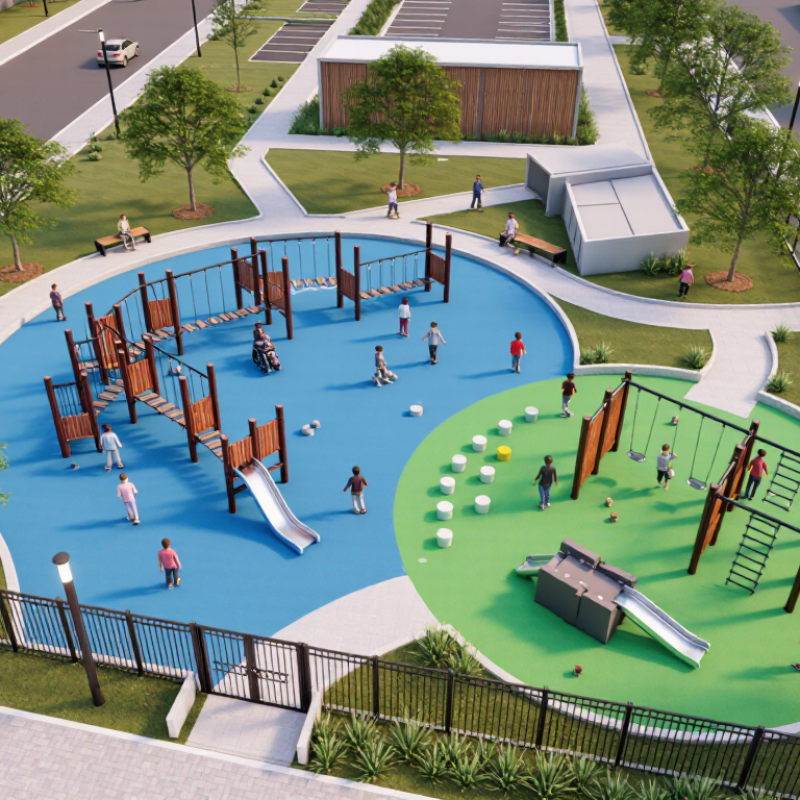
Accessibility requires more than a ramp near the entrance. The route should remain firm, level, and wide enough for mobility devices. Look for transfer platforms, accessible swings, reachable play panels, and nearby seating. CDC data published in 2023 found that about one in six U.S. children aged three to seventeen had a developmental disability during 2019–2021. That figure supports inclusive design, not token equipment. A playground can meet basic rules and still feel difficult to use. I have sometimes mistaken visual openness for real accessibility.

Age fit also affects safety and enjoyment. Separate toddler areas from equipment designed for older children. Check height guidance, fall zones, guardrails, and climbing difficulty. Maintenance deserves equal attention. Walk around the site and notice faded surfaces, standing water, damaged shade covers, or missing bolts. ASTM F1487 provides relevant performance guidance, but local inspections still matter. Ask when the last documented inspection occurred. Records are useful. They are not perfect. A clean, well-maintained surface today may reveal problems after rain or heavy weekend use.

How to Choose the Best Playground in the Park? - Define Selection Criteria: Safety, Accessibility, Age Fit, and Maintenance

Playground Area Safety Surface Safety Inspection Fall Height Accessible Route Inclusive Features Recommended Age Fit Maintenance Condition Shade and Seating Overall Selection Rating
North Meadow Play Area Poured-in-place rubber; continuous and level Pass
Inspection log updated within the last 30 days
1.8 m Pass
Firm route from path to every main play zone
Transfer platform, accessible swings, low sensory panels 2–12 years; separate toddler section Excellent
No visible damage; hardware secure
Good; approximately 50% of seating shaded Excellent
Lakeside Play Area Engineered wood fiber; generally even Pass
Inspection log updated within the last 60 days
2.1 m Pass
Accessible route reaches the main platform
Accessible swing seat and ground-level activity panel 5–12 years; limited toddler equipment Good
Minor material displacement near slide exit
Excellent; mature trees and nearby benches Good
Community Garden Play Area Rubber tiles; one lifted edge identified Review needed
Repair recommended before continued use of affected section
1.5 m Pass
Level access to the perimeter and toddler zone
Low play panels and a wide-entry nest swing 2–8 years; best suited to younger children Limited
Loose fastener and worn coating observed
Fair; shade available only near the seating area Good
South Sports Field Play Area Sand; coverage uneven below climbing equipment Review needed
Surface replenishment and leveling recommended
2.4 m Partial
Accessible path ends before the main climbing structure
Ground-level activity panel; no transfer platform 5–12 years; challenging equipment for older children Limited
Visible corrosion on one non-structural fitting
Limited; minimal shade and few seats Limited
Central Plaza Play Area Poured-in-place rubber; minor surface cracking Pass
Routine inspection recorded within the last 30 days
1.9 m Pass
Wide, firm route with clear turning space
Accessible carousel, transfer platform, sensory play features 2–12 years; clearly separated activity zones Good
Cracking should be monitored and sealed when necessary
Good; permanent shade structure over seating Excellent
Recommended priority North Meadow and Central Plaza

Evaluation basis: prioritize protective surfacing, documented inspections, accessible routes, age-appropriate equipment, inclusive play features, shade, seating, and visible maintenance condition. Fall height is the maximum measured height from which a child could fall from the equipment.
Verify Surfacing: ASTM F1292 Requires Impact Protection for Critical Fall Heights

How to Choose the Best Playground in the Park?

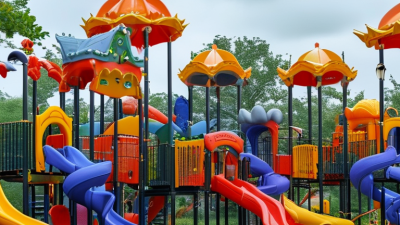
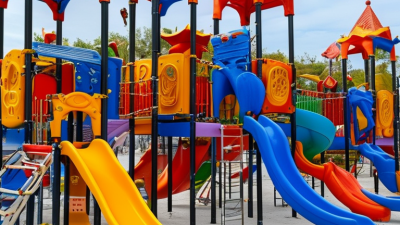
A good playground needs more than bright slides and sturdy-looking swings. Its surfacing deserves equal attention. ASTM F1292 evaluates impact attenuation beneath playground equipment, especially at critical fall heights. This height represents the greatest fall distance that a tested surface can protect against. Ask whether the installed material was tested for the equipment’s actual fall height. Do not rely on appearance alone. A thick-looking surface may hide worn areas, poor drainage, or compacted sections. Walk around the highest platform. Look beneath climbing walls, slide exits, and swing paths.

Tips: Check the surface before children play. Look for exposed concrete, roots, holes, or thin spots. After rain, notice whether water remains under the equipment. Ask the park operator for current ASTM F1292 test information and maintenance records. If loose-fill material has shifted, report it. Small gaps matter.

From practical inspections, I have learned that safe surfacing is never a one-time decision. Wood fiber, rubber, and other materials can change with weather, use, and maintenance. Edges may spread. Impact zones may become shallow. I once focused too much on equipment condition and nearly missed a worn landing area. That mistake was a useful reminder. Verify the critical fall height, then compare it with the surface’s tested protection. Also check whether barriers, handrails, and equipment spacing appear well maintained. Standards guide good decisions, but regular observation still matters.

Check Use Zones: CPSC Recommends 6 Feet of Protective Space Around Equipment

How to Choose the Best Playground in the Park?

A safe playground begins with its use zones, not its brightest slide. The U.S. Consumer Product Safety Commission recommends at least six feet of protective space around most playground equipment. That distance equals about 1.8 meters. It gives children room to move, fall, and recover without striking another structure.

Walk around the equipment before children start playing. Look for clear ground beside climbing walls, slide exits, and platform edges. Avoid playgrounds where benches, fences, trees, or concrete enter the six-foot space. Slide exits need special attention. Children often land quickly and unpredictably. Swings require deeper front and rear zones, because their movement extends beyond the standard six feet. The CPSC Public Playground Safety Handbook recommends a swing use zone reaching twice the height of the pivot point.

The surface matters too. CPSC injury surveillance has linked falls to a large share of playground injuries. Loose-fill materials, engineered wood fiber, and rubber surfacing can reduce impact when properly installed and maintained. Check for exposed soil, thin coverage, broken edging, or wet compacted material. The CDC has reported more than 200,000 playground-related emergency visits among children annually in the United States. A six-foot rule is not magic. I have seen attractive parks fail it near crowded slide exits. Parents should also watch changing conditions, because people, strollers, and dropped toys can quietly shrink a safe use zone.

How to Choose the Best Playground in the Park?

Check whether the playground provides at least 6 feet of protective space around most equipment. Swings need an additional front-and-back use zone extending at least twice the height of the swing pivot point.

Match Age Groups: CPSC Separates Preschool and School-Age Play Areas

How to Choose the Best Playground in the Park?

A good playground should match your child’s age, size, and confidence. The U.S. Consumer Product Safety Commission separates equipment for preschool children from equipment for school-age children. This distinction matters because younger children often have shorter reaches and less balance. A tall climbing wall may look exciting, but it can create unnecessary risk for a three-year-old.

Look for clear age signs near each play area. Preschool spaces usually include low platforms, small steps, gentle slides, and protective barriers. School-age areas can offer taller structures, challenging ladders, and faster slides. Check whether the equipment has enough space around each exit. Loose-fill surfacing, rubber tiles, or another impact-absorbing surface should cover likely fall zones. Hard ground is a warning sign.

Watch the playground for a few minutes. Can adults see children behind panels or tunnels? Are broken parts, sharp edges, or loose bolts visible? I once focused too much on colorful equipment and missed a worn surface near a slide. That was a useful reminder. Appearance is not safety evidence. Age labels can also be imperfect, especially when children develop at different speeds. A cautious child may enjoy a school-age feature later, while an adventurous preschooler may need closer supervision. Choose the area that fits the child today, not the age they will reach next year.

Assess Accessibility: ADA Routes Require at Least 36 Inches of Clear Width

How to Choose the Best Playground in the Park?

When choosing a playground, inspect the route before admiring the equipment. An ADA route requires at least 36 inches of clear width. This means the usable space must remain open, not merely measure 36 inches between fixed edges. Check the full path from the sidewalk to the play area. Benches, tree roots, trash bins, and open gates can reduce access. A stroller may pass, while a wheelchair cannot. That difference matters.

Look closely at the surface and transitions. Firm, stable, slip-resistant ground supports safer movement for wheelchairs and mobility devices. Loose gravel can shift under small wheels. Sudden lips near entrances can create difficult bumps.

Measure narrow points with a tape measure, especially beside railings or protective barriers. Also observe slopes and turning areas near entrances. A route may meet the width rule but still feel exhausting or unsafe. Local accessibility requirements can add details, so confirm them with the park authority or a qualified accessibility professional.

Tips: Measure the narrowest point. Keep gates fully open. Watch after rain. Ask a wheelchair user to test the route. Small obstacles are easy to overlook. I might miss one during a quick visit, so a second inspection is worthwhile. Pay attention to children waiting near the entrance, too. Crowding can quietly reduce the clear width below 36 inches.