What is Garden Play and How Does It Benefit Children?
Garden Play is a vital aspect of child development. Studies show that children spend less time outdoors today, with a 50% reduction in unstructured play over the past few decades. This shift impacts their physical and mental well-being. Engaging in Garden Play nurtures creativity, allowing kids to explore nature and interact with their environment.
Research indicates that outdoor play enhances children's cognitive skills. The National Wildlife Federation reports that nature-based programs improve focus by 20%. These experiences promote problem-solving and teamwork. However, many families overlook the importance of outdoor spaces in urban areas.
While Garden Play is beneficial, it is not without challenges. Safety concerns often restrict children’s outdoor activities. Additionally, not all families have access to green spaces. This gap requires reflection and action from communities. Creating safe, inviting gardens for play remains essential. Encouraging Garden Play can lead to healthier, happier children equipped to navigate today's world.
Definition of Garden Play and Its Key Characteristics
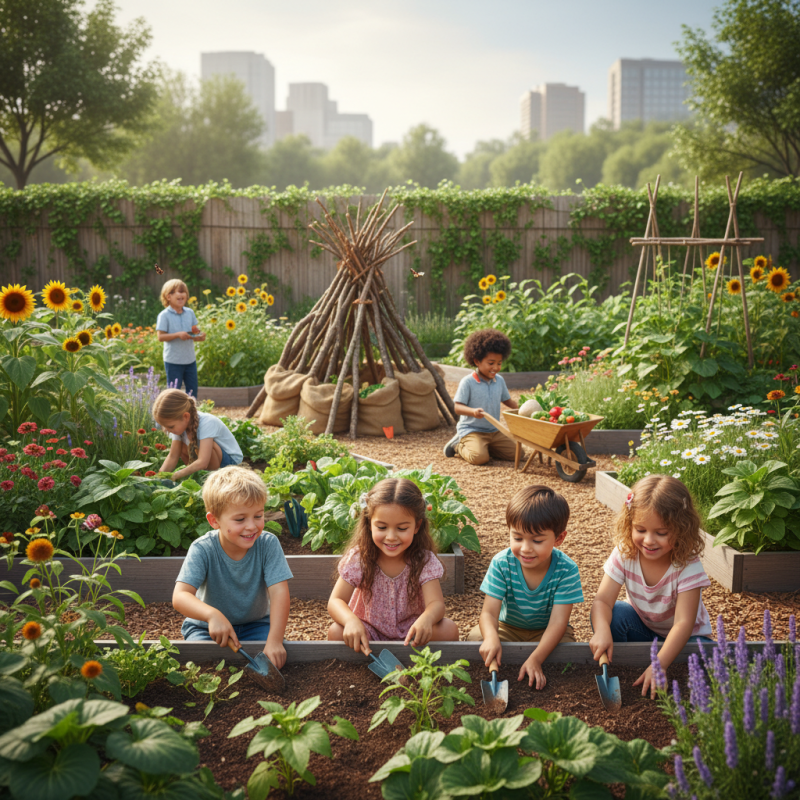
Garden play is a form of outdoor play that takes place in gardens, parks, or green spaces. This interactive environment encourages children to explore nature. Studies suggest that children engaging in outdoor play demonstrate improved physical health. According to a report by the American Academy of Pediatrics, children who play outside regularly are less likely to be overweight and have higher cardiovascular health.
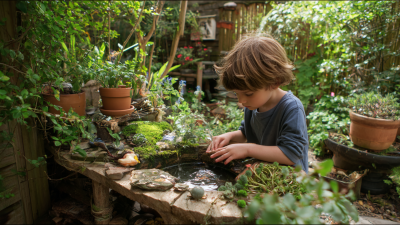
Key characteristics of garden play include sensory experiences and hands-on activities. Children learn to connect with nature through planting seeds, watering plants, and observing insects. These activities promote fine motor skills and cognitive development. Research by the National Wildlife Federation indicates that outdoor play enhances creativity and problem-solving abilities in children.
Despite these benefits, not all children have equal access to green spaces. Urban areas often lack safe environments for garden play. For some families, finding nearby parks can be a challenge. This disparity raises important questions about equity in play opportunities. Creating more inclusive outdoor spaces is essential for all children to experience the benefits of garden play.
What is Garden Play and How Does It Benefit Children?
| Characteristic |
Description |
Benefits |
| Natural Exploration |
Children interact with plants, soil, and wildlife in a real garden. |
Enhances observational skills and promotes curiosity about nature. |
| Creative Play |
Children create their own games and narratives while playing in gardens. |
Fosters imagination and creativity. |
| Physical Activity |
Activities like digging, planting, and watering gardens. |
Promotes physical health and develops fine motor skills. |
| Social Interaction |
Gardening can be a group activity, encouraging teamwork. |
Builds social skills and nurtures friendships. |
| Sensory Experiences |
Children engage their senses through fragrances, textures, and colors. |
Enhances sensory development and awareness. |
The Role of Nature in Enhancing Children's Play Experiences
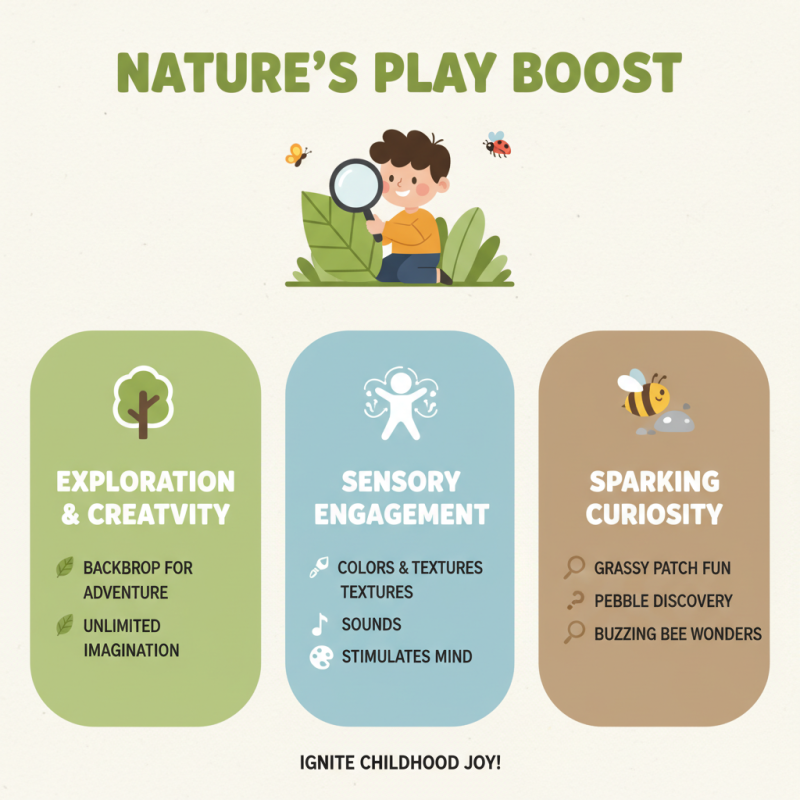
Nature plays a vital role in enhancing children's play experiences. It provides the backdrop for exploration and creativity. When children interact with the natural world, they engage their senses. The colors, textures, and sounds stimulate their minds. A patch of grass, the feel of a pebble, or the buzz of a bee can ignite curiosity.
Outdoor settings inspire imaginative play. Children can build forts from branches or pretend to be explorers in a mini jungle. Nature encourages collaboration too. A group of kids may work together to create a dam with stones. They learn teamwork and communication skills while having fun. Yet, sometimes, nature can be unpredictable. A sudden rain shower can dampen plans, leading to unexpected joy in splashing puddles.
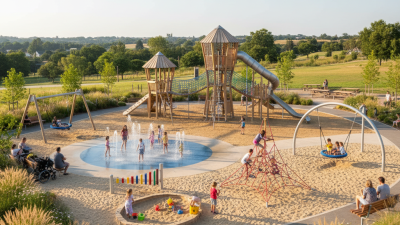
However, not all spaces are ideal for play. Urban environments can lack green areas. This makes it hard for children to access natural elements. Parents might feel overwhelmed trying to find suitable outdoor places. Balancing structured activities with free play outdoors becomes essential. Encouraging unstructured time in nature allows children to learn and grow.
Benefits of Garden Play for Physical Development in Children
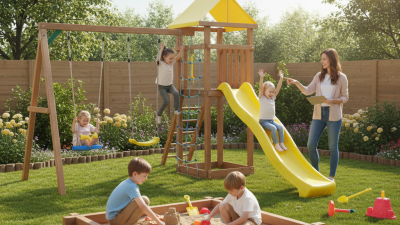
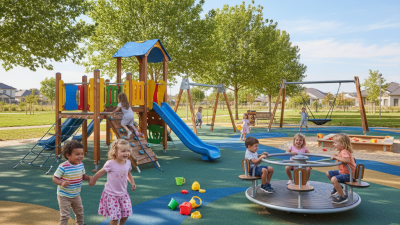
Garden play is an enriching experience for children. It provides a unique environment for them to explore, learn, and grow. When children engage in garden activities, they develop essential physical skills. These skills include running, jumping, and climbing. They also practice coordination and balance while navigating different terrains.
As children dig in the soil, they strengthen their arm and hand muscles. Pulling weeds or planting seeds encourages fine motor skills. The act of watering plants helps them to develop a sense of responsibility. Simple tasks in a garden can improve their stamina and endurance. The variety of textures and smells stimulates sensory exploration.
Garden play is not without challenges. Weather conditions can frustrate plans. Some children may feel hesitant to touch insects or dirt. Yet, these moments push them to confront fears. Encouraging them to participate despite discomfort aids their growth. With time, they learn resilience and confidence. Garden play blends fun with development.
Benefits of Garden Play for Physical Development in Children
Social Skills and Emotional Growth Through Outdoor Play
Outdoor play is essential for children's social skills and emotional growth. According to the American Academy of Pediatrics, about 80% of children today do not get enough outdoor playtime. This lack of exposure can impact their ability to connect with peers. When children engage in garden play, they learn to share, negotiate, and resolve conflicts—all vital social skills.
Playing outside offers experiences that are not found indoors. Children can interact with nature, which stimulates their creativity and curiosity. Many studies show that outdoor play can lead to increased feelings of happiness and reduced behavioral issues. However, not every child experiences these benefits equally. Some may face challenges engaging with others, leading to feelings of isolation.
Ultimately, engaging in garden play presents opportunities for growth. It’s not just about fun; it’s about learning to thrive emotionally and socially. By allowing children time to explore and play, we lay foundations for their future relationships. Yet, it’s crucial to recognize that some children may need more encouragement to join in. Addressing these needs can help bridge the gap in emotional development.
Incorporating Garden Play into Educational Settings and Home Environments
Incorporating garden play into educational settings can transform how children learn. Outdoor spaces provide unique opportunities for hands-on experiences. Children engage with nature while developing essential skills. They learn about plants, insects, and ecosystems simply by exploring. These experiences enhance their understanding of the world.
At home, creating a small garden area can spark curiosity. Even a few pots on a balcony can make a difference. Kids can grow herbs, flowers, or vegetables. This not only teaches responsibility but also encourages healthy eating habits. Watching plants grow brings joy and pride. They start to understand the cycle of life.
Tips for encouraging garden play include allowing children to lead their activities. Let them choose what to plant or how to design their space. You could also initiate simple projects like making bird feeders. These activities foster creativity and problem-solving.
Try to make time for reflection on what they observe. Sometimes, it’s okay if things don’t go as planned. Learning from mistakes in the garden can be as valuable as successes.
 +86-13901441113

 CONTACT NUMBER
 CONTACT NUMBER