Top Tips for Choosing the Best Playground In The Park?
Choosing a suitable playground in the park is crucial for child development. Studies show that 85% of children benefit from play, enhancing their physical and social skills. However, not all playgrounds meet safety and quality standards.
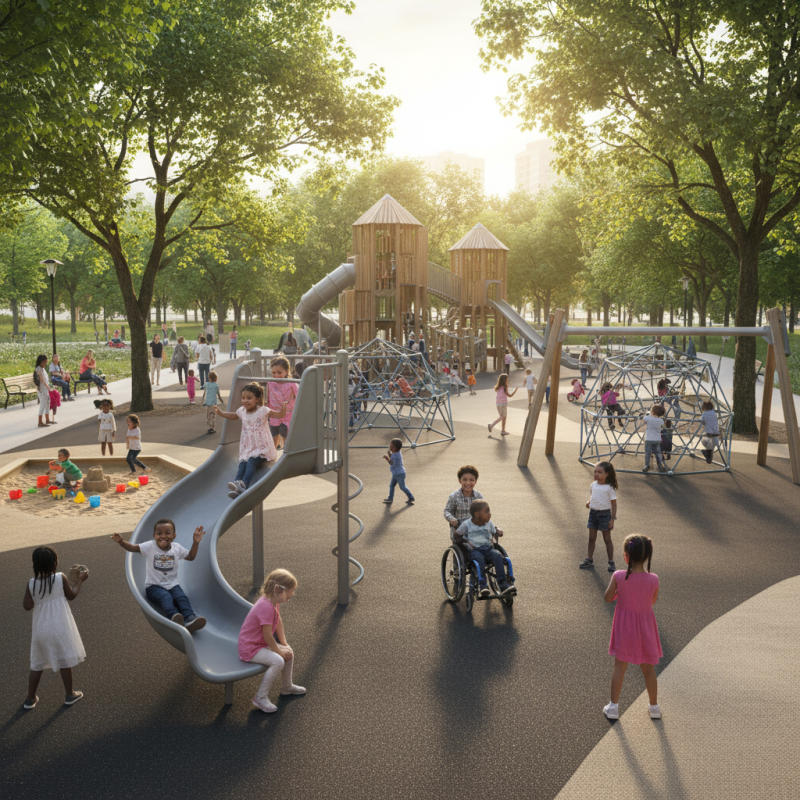
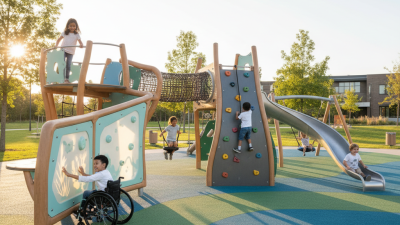
Parents should consider equipment safety and age appropriateness. According to the American Academy of Pediatrics, unsafe playgrounds can lead to injuries in nearly 200,000 children each year. Features like soft surfaces and secure structures are vital for safety. Additionally, parks should be inclusive, catering to children with disabilities.
A well-designed playground in the park promotes social interaction. Research indicates that children learn teamwork and sharing through play. However, not all parks provide inclusive spaces. Parents need to advocate for better facilities. In the end, choosing the right playground is about ensuring a fun, safe, and enriching environment for every child.
How to Assess Safety Standards in Playground Equipment
When assessing safety standards in playground equipment, start by checking if each structure meets national safety guidelines. Look for certification labels that indicate compliance. Engaging with your child’s experience can offer insights. They may notice risks you might overlook, like a loose swing or rough surfaces.
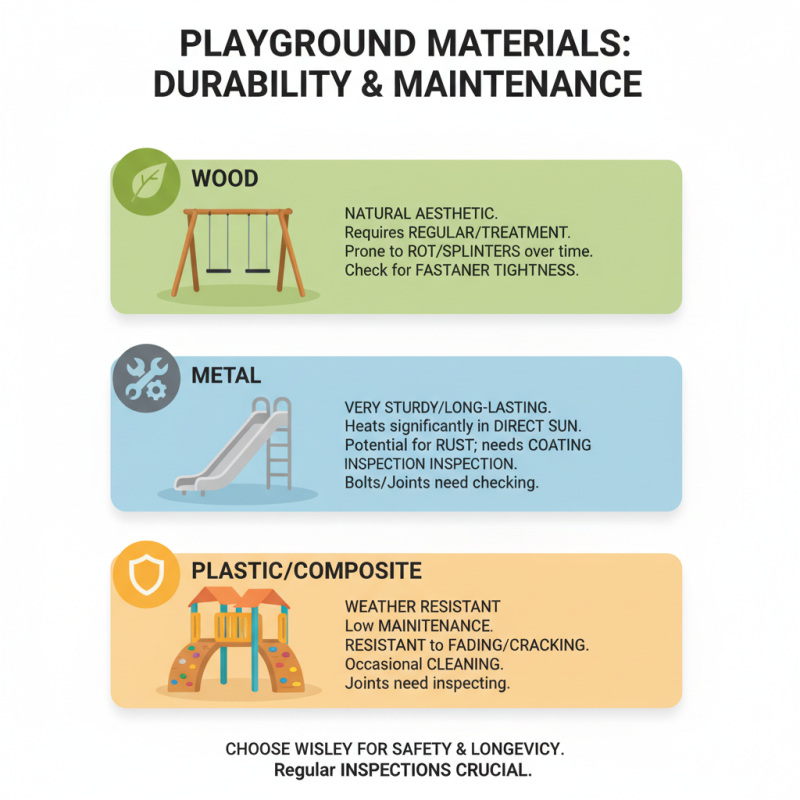
Pay attention to the materials used in the playground. Metal parts can heat up under the sun, leading to burns. Wood can splinter, posing risks to young hands. Also, consider the layout of the playground. Are there areas where children can easily collide? Reflect on these factors as you observe.
It’s essential to maintain a balance between excitement and safety. While thrill-seeking structures attract kids, they can also lead to injuries. Look for features like safety mats and soft landing areas. A well-thought-out design can help mitigate risks. After all, the goal is to create a fun, engaging environment while prioritizing safety for every child.
Evaluating Age-Appropriate Play Structures for All Children
When choosing a playground, evaluating age-appropriate play structures is crucial. Children of different ages have varied physical and cognitive abilities. For toddlers, soft, enclosed areas with low slides and gentle swings are ideal. They focus on basic motor skills and social interactions. Look for features that encourage imaginative play. Bright colors and varied textures can attract the younger crowd.
For older kids, structures should challenge their growing abilities. Climbing walls, longer slides, and interactive panels engage them. These features promote physical development and teamwork. Remember, safety is paramount. Check for age labels and inspect equipment regularly. Playgrounds can wear down over time, making some areas less safe.
Not every playground will be perfect. Some structures may seem appealing but aren’t tested for all age groups. Observing children at play can provide insights into what works and what doesn’t. Additionally, local parks might not have updated resources. Keep an eye out for parental feedback on safety and enjoyment. Exploring various playgrounds ensures a well-rounded choice for your child's playtime.
Top Tips for Choosing the Best Playground In The Park?
| Age Group |
Play Structure Type |
Safety Features |
Accessibility |
Recommended Time |
| 2-5 Years |
Sandbox and Small Slides |
Rounded edges, low height |
Wheelchair accessible paths |
30-60 minutes |
| 5-8 Years |
Climbing Frames and Swings |
Fall zones, soft surfacing |
Paths and equipment for all abilities |
1-2 hours |
| 8-12 Years |
Obstacle Courses and Zip Lines |
Sturdy construction, age-appropriate height |
Accessible ramps |
1-3 hours |
| All Ages |
Inclusive Play Areas |
Safe materials, inclusive design |
Universal access for all |
Varies |
Understanding the Importance of Accessible Play Areas
Accessibility in playgrounds is crucial for a welcoming community atmosphere. Many children with disabilities face significant barriers when playing in traditional parks. Accessible play areas should feature ramps, tactile surfaces, and inclusive equipment. These elements allow all children to engage and discover joy together.
Creating an inclusive playground involves consulting with families of children with disabilities. Their insights are vital. They can highlight specific needs that may not be immediately apparent. Communities may overlook the importance of sensory-friendly spaces. Some children can feel overwhelmed by noise or too much activity. A quiet area can provide relief and a chance to regroup.
Regular maintenance and updates keep playgrounds accessible. Wear and tear can create hazards, making equipment unusable. Ensuring safety and accessibility is an ongoing process. Communities must prioritize these needs in their budget planning. Only with continued focus can all children enjoy the benefits of play in park settings. Inclusivity isn't just a design choice; it's a necessity for fostering a thriving community.
Analyzing Material Durability and Maintenance Needs in Playgrounds
When selecting a playground, understanding material durability is crucial. Many materials can withstand weather changes, but not all are created equal. For instance, wood offers a natural look but may require regular treatment to prevent rot. Metal is sturdy but can heat up in the sun, posing risks to children. These factors should guide your choice.
Maintenance needs are equally important. Some play structures need consistent upkeep. Plastic slides might fade and crack over time, while rubber surfacing can degrade. It’s essential to assess how often the equipment will require inspection. Evaluate if the park staff is committed to maintenance. An under-maintained playground can lead to safety hazards and diminish play experiences.
In addition, consider the overall environment. A playground with durable materials still needs suitable ground cover. Grass may look inviting but often suffers from wear and tear. Alternatives like mats or gravel require their own maintenance. Reflecting on these aspects can help in making a better decision for children's safety and enjoyment.
Choosing Locations Based on Child Supervision and Parent Comfort
When selecting a playground, a key consideration is child supervision. Research shows that playgrounds within sight of parents reduce accidents. A study by the American Academy of Pediatrics reveals that parents feel more secure when they can easily monitor their children. Proximity to seating areas enhances this experience. Comfortable benches allow parents to relax while observing their kids.
Accessibility also plays a vital role. Playgrounds should be easily reachable, especially for families with younger children. A recent survey indicated that 70% of parents prefer playgrounds with good visibility from pathways. This encourages parents to feel at ease. Additionally, well-maintained parks can be inviting, enhancing the likelihood of family visits. Parents often notice cleanliness and safety first.
Community feedback can be invaluable. Local forums showcase what parents appreciate or dislike about playgrounds. Engaging in these discussions can provide insights beyond personal observations. However, preferences vary greatly among families. What works for one may not suit another. Building a playground that satisfies every need is a challenge. Understanding these dynamics can lead to better choices for families.
Top Tips for Choosing the Best Playground In The Park
This chart represents the importance levels of various criteria to consider when choosing the best playground in a park. Safety ranks the highest, followed by accessibility and parent comfort, showing the essential factors that influence a decision.
 +86-13901441113

 CONTACT NUMBER
 CONTACT NUMBER