+86-13901441113


Choosing an Outdoor Play Slide is not just a matter of picking the tallest or brightest model. The best option depends on a child’s age, confidence, available space, and the adults who will supervise play. A low slide with wide steps may suit a cautious toddler, while an older child may enjoy a longer run and a gentle curve. Fit matters.
Look closely at the details. Check the manufacturer’s age and height guidance, the stability of the frame, and whether the base can sit securely on level ground. Consider the landing area, too: grass, loose-fill surfacing, and hard paving do not offer the same conditions. On a sunny afternoon, plastic can feel hot, so shade and occasional surface checks may be useful. Small choices add up.
There is no single perfect slide. A large model can be exciting, yet it may crowd a small yard or require more upkeep than a family wants. A compact slide may be easier to supervise, but children can outgrow it sooner. This guide will compare common slide types and explain what to assess before buying, including construction, setup, space, and everyday care. It will also point out trade-offs rather than treating one feature as a guarantee of safety. Product instructions and the child’s individual abilities should guide the final decision. A little doubt is healthy: the most impressive option is not always the most practical one.
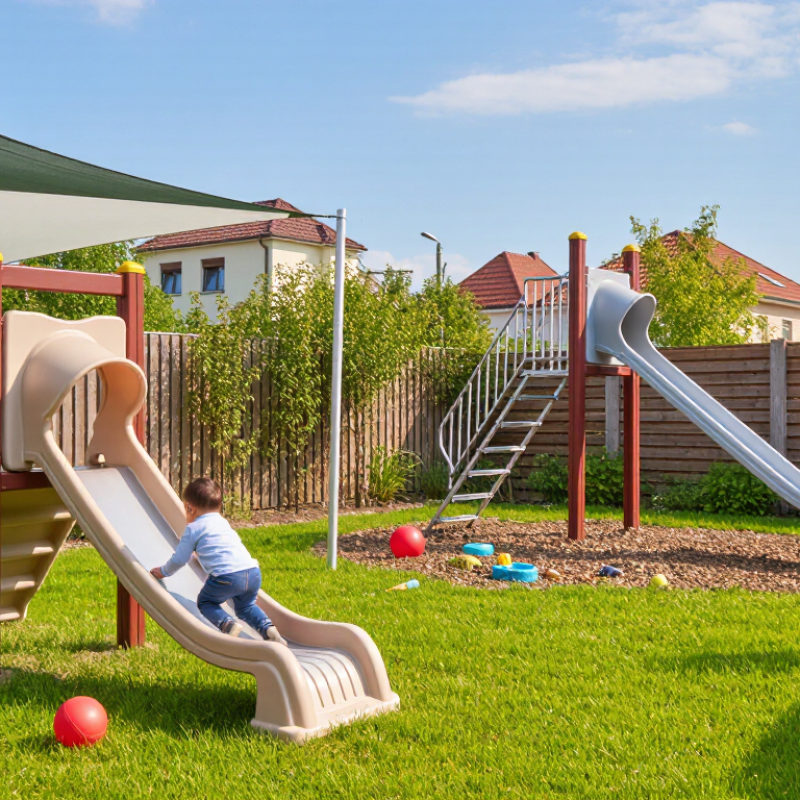
Choosing a slide starts with the child, not the yard. The U.S. Consumer Product Safety Commission’s Public Playground Safety Handbook groups equipment for ages 6–23 months, 2–5 years, and 5–12 years. These age bands are useful reference points, though a child’s confidence and coordination matter too. Age labels are not a perfect fit.
For toddlers, choose a low slide with broad steps, sturdy handholds, and a gentle slope. A short straight slide often suits a small play area. Older children may enjoy a taller or wavy slide, but check that its exit has enough clear space. Measure the full runout, not just the frame. That detail is easy to miss.
The CPSC handbook reports that about 200,000 children receive emergency care each year for playground-equipment injuries. That figure covers more than slides, but it underscores why matching equipment to ability matters. On sloped or compact yards, check the installation area and surrounding surface before choosing a larger model. I’d favor a slightly smaller slide over one that crowds a fence or patio. Children grow quickly, but a cramped landing zone stays cramped.
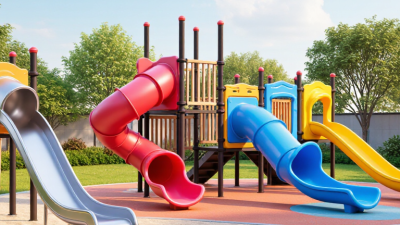
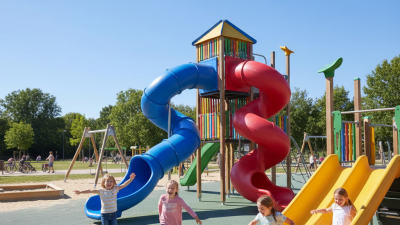
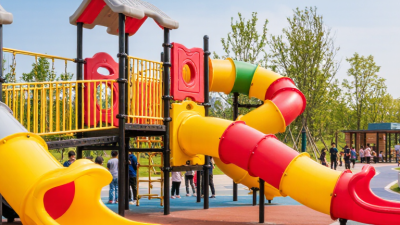
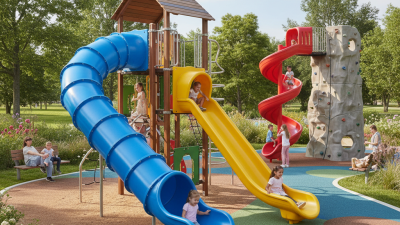
Outdoor slides come in several familiar designs, and each creates a different kind of play. Straight slides are simple, easy to approach, and often suit younger children. Their open sides let adults see the ride clearly. Wave slides add small dips that change the pace without making the route hard to follow. Simple, but lively.
Spiral slides curve around a support post and use less ground space. Their turns can feel exciting, though children may be harder to see once they enter. Enclosed tube slides offer shade and a more sheltered ride, but dark interiors can unsettle some kids. Double-lane slides let two children ride side by side. That sounds fun, yet uneven starts may lead to bumping or arguments.
The best design depends on a child’s age, confidence, and ability to climb the steps safely. Check that the platform has secure handholds and that the landing area is clear, stable, and free of sharp edges. A slide that looks impressive is not automatically the most suitable. Not always. Adults should supervise play and watch for wet surfaces, loose parts, or crowded turns. One detail is easy to miss: children often use slides in unexpected ways, so the surrounding space matters as much as the slide itself.
What Type of Outdoor Play Slide Is Best for Kids?
How Slide Height, Slope, and Surface Affect Play
A good slide matches a child’s age, confidence, and coordination—not just the available space. Lower slides usually suit younger or less experienced children. Taller slides can feel exciting, but they also increase the distance of a fall. Check the manufacturer’s age and height guidance, and watch how your child climbs and sits. Small details matter.
Slope shapes the ride. A steep slope creates a faster descent, while a gentler one gives children more time to adjust their position. The landing area should be clear and long enough for children to slow down safely. Surface matters, too: grass can become hard when dry, and loose materials may shift or thin out. Choose and maintain a fall-absorbing surface recommended for the equipment, and check it regularly. I’d also reassess after heavy rain or busy play; surfaces change more than we expect.
Tips: Look for secure handholds, a stable ladder, and no sharp edges or gaps that could trap clothing. Keep the slide exit free of toys. Stay close, especially with toddlers. No design removes every risk, and even a slide that seems low can surprise a child on a wet day.
How slide height, slope, and surface affect play
How to read this: Angles are calculated from the example rise and horizontal run shown (slope angle = arctan[rise ÷ run]); they are geometry examples, not measured products or safety recommendations. A greater rise can mean a higher potential fall, while slope and chute condition affect the sliding experience. Choose age-appropriate equipment and impact-attenuating landing surfacing tested for the equipment’s fall height; no single surface or slope is best for every play area.
Choosing an outdoor slide means comparing material, stability, and the landing area—not just slide length. Molded, UV-resistant plastic stays relatively smooth, while metal can become hot in direct sun. Wood has a natural look, but needs checks for splinters, rot, and loose fasteners. No material is maintenance-free.
Stability matters when children climb, lean, and push off. Look for a broad, secure base and follow the maker’s anchoring instructions; even a small wobble deserves attention. The U.S. Consumer Product Safety Commission’s Public Playground Safety Handbook notes that falls cause nearly 75% of playground injuries. That figure covers playground equipment broadly, but it explains why suitable impact-absorbing surfacing and clear space around a slide matter. A quick visual check can miss a loose anchor. It is easy to underestimate.
Tips: Check the slide and anchors before play. Feel the surface on a hot day, and keep the landing area free of stones, toys, and exposed roots. The CPSC handbook recommends protective surfacing beneath and around play equipment; choose surfacing suited to the fall height and maintain its depth. Cooler shade helps.
| Slide type and common material | Stability to compare | Potential advantages | Safety checks and limitations | Often a good fit when |
|---|---|---|---|---|
| Straight or wave slide Molded plastic |
The slide’s stability depends on its support structure, attachment points, and anchoring—not just the plastic. Check that the frame does not rock or shift. | Plastic is generally smooth and does not rust. Straight and wave designs are usually easy to supervise and have a clear path down. | Check for cracks, rough edges, secure fasteners, and heat in direct sun. Use only within the maker’s stated age and weight limits. | Families looking for a simple, open slide that is easy to see and supervise. |
| Straight slide Metal, commonly coated steel |
A rigid slide can still be unsafe if its platform or support frame is loose. Check the full play structure for secure joints and anchoring. | Metal can provide a rigid sliding surface and is less likely than plastic to crack from impact, depending on its construction and condition. | Metal can become very hot in direct sunlight. Inspect coatings for damage, corrosion, sharp edges, and exposed fasteners; check the surface temperature before play. | A site where shade is available and caregivers can regularly check surface temperature and condition. |
| Platform slide with a wooden play structure Wood platform with a plastic slide |
Stability relies on sound posts, bracing, connections, and anchoring. A level base and secure slide-to-platform connection are important. | Can be configured with a raised play platform and other play features. The slide surface is separate from the wooden support structure. | Inspect wood for splinters, cracks, rot, and loose connections. Follow care instructions for any wood treatment, and keep the slide exit and fall area clear. | Families who want a larger play structure and are prepared to inspect and maintain both the wood and slide. |
| Enclosed tube slide Typically molded plastic |
The taller or more complex supporting structure needs to be firmly assembled and anchored. Check every connection and the stability of the access platform. | Enclosed sides can help keep a rider within the slide path. The entry and exit remain areas where careful supervision and clear space matter. | Confirm that children can enter and exit as intended, and inspect the interior and joints for damage or obstructions. Follow the maker’s age and use guidance. | A suitable space and sturdy play structure are available, with an adult able to supervise the entrance and exit. |
Choosing the right slide starts with your child’s age, available space, and how closely you can supervise. A low, straight slide suits younger children and smaller yards. Older kids may enjoy a longer or gently curved slide, but height brings faster descents and a larger landing area. Check the maker’s age and weight guidance, then measure the full runout—not just the frame. Leave room for a child to step away without meeting a fence, patio, or another play feature.
Safety deserves space in the decision. The U.S. Consumer Product Safety Commission’s 2001–2008 analysis estimated roughly 200,000 annual emergency-room visits for playground-equipment injuries among children; falls were a major cause. That figure covers playground equipment generally, not slides alone. The CPSC’s Public Playground Safety Handbook recommends impact-absorbing surfacing and clear space around equipment. Its public-playground guidance is useful, though home setups may differ. A soft lawn can look forgiving, but it is not equivalent to tested protective surfacing.
Think about the everyday details. Will an adult be able to see the slide from the kitchen? Can the structure sit on level ground, with shade during hot afternoons? A freestanding slide may fit a compact yard; a playset slide can make sense when climbing and shared play matter. Check for secure steps, handholds, stable anchoring, and smooth edges. Measure twice. Children grow, and a slide that feels exciting today may soon feel too small. I would still choose a simpler, lower option if the landing zone is cramped.