Leave Your Message

What Are the Best Outdoor Playground Sets in 2026?

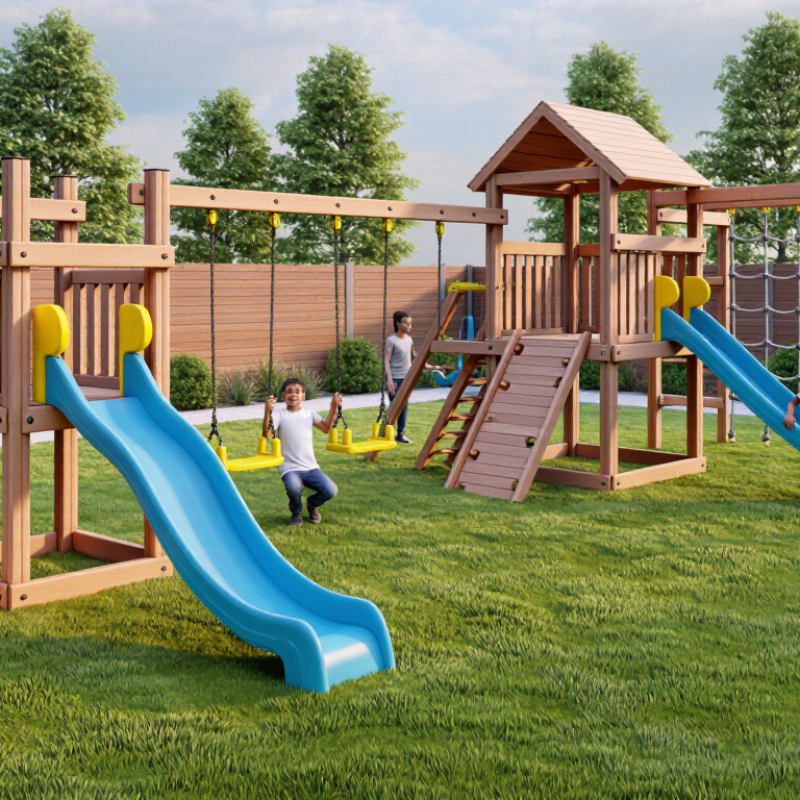
Choosing a playground set for 2026 is about more than finding the biggest slide or the brightest colors. The right Outdoor Playground Sets should fit the yard, suit the children who will use them, and feel manageable for the adults responsible for upkeep. A compact swing-and-slide set may work well in a small garden. A larger climbing frame can offer more variety, but it also needs extra space and regular checks.

This guide compares the features that matter in everyday use: construction materials, play options, age guidance, assembly demands, and maintenance. Look closely at the manufacturer’s instructions, recommended use area, and stated weight limits before buying. Check for sturdy connections, smooth edges, and a stable surface beneath the equipment. Details like these are easy to overlook in product photos. They matter.

There is no single best set for every family. Children grow, available space changes, and a structure that looks impressive online may feel awkward in a real yard. A little uncertainty is normal. The comparisons ahead focus on practical trade-offs rather than treating every feature as essential. Use them to identify sets that match your space, budget, and plans for supervision—then confirm all specifications directly with the seller or manufacturer.
What Are the Best Outdoor Playground Sets in 2026?

What Defines an Outdoor Playground Set in 2026?

In 2026, an outdoor playground set is a home play system, not just a collection of swings and slides. ASTM F1148-22 covers safety requirements for residential playground equipment. In practice, a set should be judged as a whole: its climbing routes, moving parts, fall height, anchoring, and landing surface all interact.

Small details matter. A slide exit above hard, compacted soil changes the risk, even if the equipment itself looks sturdy.

The U.S. Consumer Product Safety Commission’s Public Playground Safety Handbook reports roughly 200,000 annual emergency-room visits associated with playground equipment. The figure is an older estimate and includes equipment beyond residential sets; it is context, not a prediction for one backyard. It does show why impact-absorbing surfacing and clear fall zones belong in the definition of a well-considered set.

ASTM’s residential standard and the CPSC handbook offer useful reference points, but neither can assess a particular yard’s slope, drainage, or supervision. That distinction matters. A level-looking lawn can hide uneven ground, and a set that fits on paper may crowd a fence once its use zone is marked.

Good design is not only about adding features. It is about matching the structure, surfacing, and available space to the children who will actually use it.
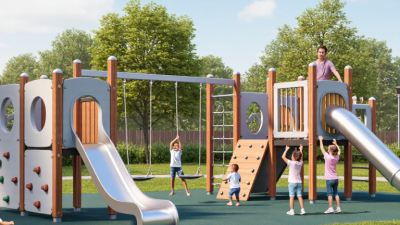
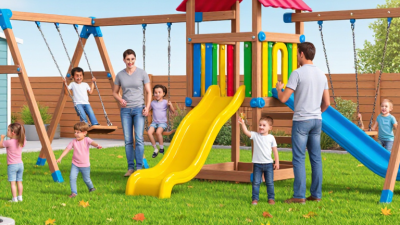
Which Types of Playground Sets Suit Different Ages and Spaces?

Playground sets should match a child’s abilities, not just their birthday. Toddlers benefit from low platforms, wide steps, short slides, and easy-to-grip rails. Preschoolers often enjoy compact climbing frames, suitable swings, and play panels that encourage pretend games. Older children may prefer taller structures, climbing nets, or space for friends. Check the set’s age guidance and plan for clear landing areas.

Small yards need restraint. A single swing and a low play tower can offer plenty to do without crowding a patio or garden path. Larger spaces can accommodate multiple play zones, but leave room for running and access for adult supervision. Measure the equipment and its recommended clearance before buying. I’d leave more open space than seems necessary; that’s easy to underestimate. Set equipment on level ground, anchor it as instructed, and check hardware regularly.

Tips: Measure twice. Match the set to the youngest regular user, and consider how quickly children may outgrow it. Keep exits and walkways clear. A little unused space is useful.

What Are the Best Outdoor Playground Sets in 2026? - Which Types of Playground Sets Suit Different Ages and Spaces?

Playground set type Typical age suitability Space that may suit it Typical activities Key considerations
Toddler playset Often designed for ages 1–3; check the specific product’s age and weight limits. Small yards or dedicated play corners. Low platforms, short slides, steps, and simple panels. Choose low, age-appropriate features and supervise closely. Check openings, edges, anchoring, and surfacing regularly.
Compact swing-and-slide set Commonly suited to preschool and early school-age children, depending on the equipment. Small to medium yards, provided there is room for swing movement and a safe landing area. One or two swings, a slide, and sometimes a small climbing ladder. Swing clearance can require more space than the frame itself. Follow the installation instructions for clearances and anchoring.
Modular multi-activity set Often intended for a broad range of school-age children; suitability depends on platform height and features. Medium to large yards with space for equipment and its safety zone. Combinations may include swings, slides, climbing walls, ladders, or play decks. More features can mean more assembly and maintenance. Confirm that the intended users can safely reach and use each feature.
Standalone swing set Varies by seat and frame design; toddler seats and standard seats have different intended users. Medium or large open areas with clear space in front of and behind the swings. Back-and-forth swinging, with one or more seats. Keep the swing path clear of fences, trees, walls, and walkways. Inspect seats, chains, connectors, and anchors.
Climbing dome or climber Usually best for children who can climb confidently; check the manufacturer’s minimum age and user limits. Small to medium yards, with unobstructed space around the climbing structure. Climbing, balancing, and imaginative play. Climbing ability varies by child. Check the structure’s stability, openings, fall area, and recommended surfacing.
Natural play area Can be adapted for different ages with suitable activities and supervision. Flexible spaces, including yards with room for logs, stepping features, or a small sand area. Balancing, imaginative play, digging, and nature exploration. Use stable, non-toxic materials and avoid sharp edges, loose hazards, and untreated timber that may splinter.

Planning note: Age ranges and space descriptions are general guidance, not a guarantee of suitability for a particular model. Check the equipment’s instructions, age and user limits, installation requirements, and local safety guidance. Playground equipment needs an appropriate impact-attenuating surface and clear space around it; the required area depends on the equipment and its height. Supervise children and inspect equipment and surfacing regularly.

How to Compare Materials, Features, Safety, and Overall Value

Choosing an outdoor playground set in 2026 means looking beyond the number of swings. Start with materials. Pressure-treated wood can feel sturdy and blend into a yard, but it needs regular checks for splinters, loose hardware, and weather damage. Metal frames are often easier to wipe clean, though hot sun can make exposed surfaces uncomfortable. Plastic parts resist rust, but inspect them for fading, cracks, and brittle edges. No material is maintenance-free.

Compare features with the children who will actually use the set. A low climbing wall, roomy platform, and adjustable swings may suit younger kids better than a tall tower with many attachments. Measure the yard, including the clear space around slides and swing paths. Check weight limits, age guidance, guardrails, and whether anchors are included. Small details matter. A ladder that feels awkward during a store visit may be harder for a child to use at home.

Safety and value belong together. Look for clear assembly instructions, smooth edges, secure connections, and replacement parts that can be obtained later. Read the warranty carefully; it may cover the frame but not fabric or weather wear. A lower price can be misleading if the set needs extra anchoring or frequent repairs. I would still revisit any choice after assembly, because even a well-reviewed set can feel different on uneven ground. Leave enough room for safe movement, and check the equipment regularly as children grow.

Best Outdoor Playground Set Materials: 2026 Planning Comparison

Compare common material trade-offs when choosing a residential playground set.

Scores are qualitative planning estimates on a 1–5 scale, where 5 is more favorable; they are not laboratory measurements or ratings of specific products. Actual performance depends on construction, coatings, climate, installation, and upkeep. Check the manufacturer’s age and weight limits, anchoring instructions, and applicable safety standards before purchase.

Which Outdoor Playground Sets Stand Out in 2026?

Outdoor playground sets stand out in 2026 when they balance active play with clear, age-appropriate design. Look for varied challenges: a low climbing wall, a stable platform, and a slide with secure handholds. These details matter more than a crowded feature list. A set that suits a child today may feel limiting next year, so modular parts can help. But more features also mean more places to inspect.

Safety space deserves equal attention. The U.S. Consumer Product Safety Commission’s Public Playground Safety Handbook recommends at least six feet of protective surfacing around many pieces of equipment. Swing zones need separate measurements; the handbook calls for use areas extending twice the height of the swing’s pivot point in front and behind. Check the instructions for the exact layout. A small yard can make the ideal configuration impractical.

For home equipment, review the assembly guide, age range, maximum user weight, and replacement-part availability before buying. Documentation should identify applicable safety standards, such as ASTM F1148 for residential playground equipment. Standards help, but they do not replace adult supervision or routine checks for loose bolts, splinters, and worn ropes. One honest drawback: wooden sets may need more upkeep than expected, especially after wet seasons.

How to Choose, Install, and Maintain a Playground Set

Choosing an outdoor playground set starts with the children who will use it. Check the age guidance, number of play stations, and available space. Leave a clear buffer around swings and slides, and measure the full area before ordering. A level spot with good drainage helps keep posts stable and reduces muddy patches after rain. Wood, metal, and plastic each need different care, so consider your climate and maintenance time.

Installation matters as much as the set itself. Follow the manufacturer’s instructions, use the specified anchors, and check that every fastener is tight. If the ground slopes or you are unsure about anchoring, ask a qualified installer for advice. Place impact-absorbing surfacing beneath and around equipment, extending it through the likely fall zones. I once underestimated how much room a swing needs. The tape measure was a better guide than my guess.

Tips: Inspect the set before each play session. Look for loose bolts, cracked boards, rust, splinters, and worn ropes. Keep the surfacing loose and evenly spread, especially beneath swings and slide exits. Tighten or repair damaged parts promptly, and keep a simple inspection log. It may feel fussy. It is still worth doing. Recheck the structure after storms, freeze-thaw cycles, or heavy use, since small shifts can be easy to miss.