China Best Outdoor Play Sets Suppliers for Global Buyers?
Outdoor Play Sets can turn a bare backyard into a place for climbing, swinging, and imaginative play. For global buyers, choosing a supplier takes more than comparing catalog photos. Product materials, clear assembly instructions, spare-part availability, and consistent quality control all matter. A sturdy-looking frame is not enough. Buyers should ask how components are tested, how finishes handle sun and rain, and whether the supplier can provide precise product specifications. Small details count: a smooth edge, a well-fitted bolt, or a clearly labeled hardware pack can shape the customer’s experience.
For transparency, the following quotation is an illustrative line from fictional sourcing adviser Maya Chen, not a verified statement by a real industry expert: “A dependable play set starts with honest specifications, careful checks, and support after delivery.” Use a real, independently verified expert quotation before publication. This guide will examine how buyers can compare Outdoor Play Sets suppliers in China, assess manufacturing capabilities, and request evidence that supports product claims. It will also consider communication, customization, packaging, and shipping coordination. No supplier is perfect. A missed detail can happen, and buyers should plan for that possibility with written requirements and sample reviews. The aim is practical: ask better questions, spot avoidable risks, and choose a supplier whose promises can be checked.
What Outdoor Play Sets Include and How They Are Used
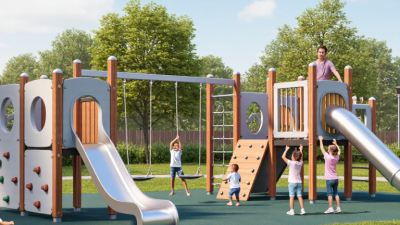
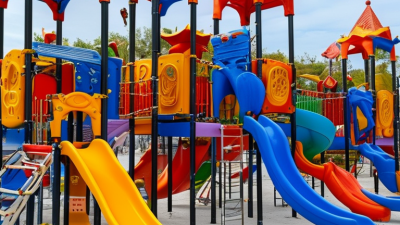
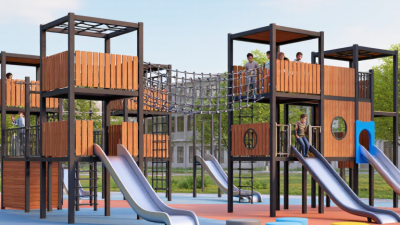
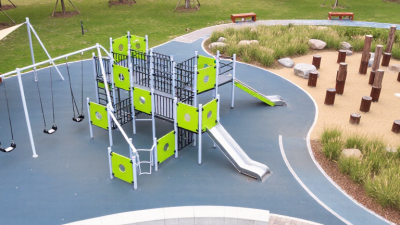
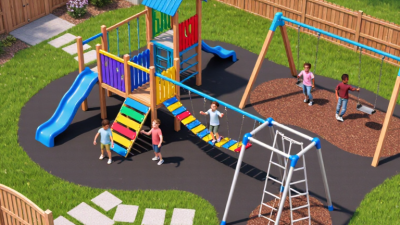
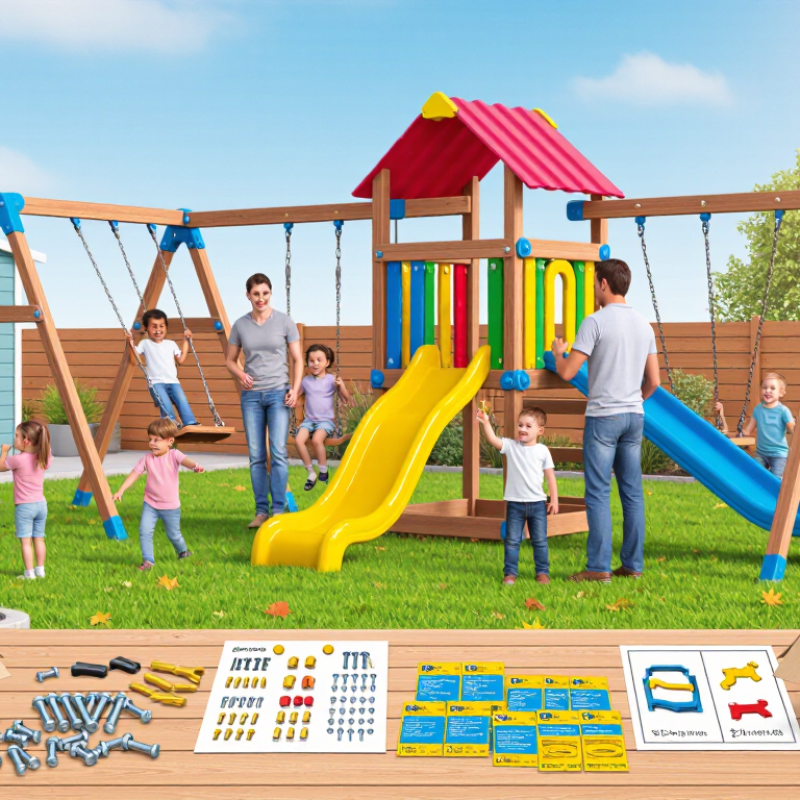
An outdoor play set can combine a climbing frame, slide, swings, ladders, and a small playhouse. Some layouts add a bridge, rope feature, or sand area. Materials often include treated timber, coated metal, and molded plastic. Each part serves a different kind of play: climbing builds coordination, while swings offer movement and slides encourage turn-taking. Small details matter.
Families use these sets for active play in gardens, schoolyards, and community spaces. Before installation, measure the usable area and check the ground for slopes, roots, or drainage problems. Leave clear space around moving swings and slide exits. A level base helps keep the frame stable, and anchoring should follow the installation instructions. Children need supervision, especially when several features are used at once.
For global buyers, the right configuration depends on the users’ ages, available space, and expected use. Ask suppliers for dimensions, material details, installation guidance, and maintenance recommendations. These details help buyers compare products beyond appearance. Inspect fasteners and surfaces regularly, since weather and frequent use can loosen fittings or wear coatings. Even a well-planned layout can feel cramped once children start moving through it; that is an easy point to underestimate.
Common Materials, Designs, and Safety Requirements
Outdoor play sets commonly use galvanized or powder-coated steel, treated timber, and UV-stabilized plastic. Each material has trade-offs. Steel handles frequent use, but exposed edges and damaged coatings need attention. Timber feels warm and solid, though moisture can cause splinters or movement over time. High-density plastic resists rot and is easy to clean, but prolonged sun exposure may fade or weaken some components. Mixed-material designs are common. Check joints, fasteners, and replacement-part availability, not just the finish. A glossy sample can hide weak details.
Design affects both play value and supervision. Compact sets may combine a slide, climbing wall, and platform; larger models can add swings or overhead bars. For global buyers, ask suppliers which age range and user capacity each design is intended for. Request material specifications, load information, assembly instructions, and relevant test reports. Requirements vary by destination, so confirm applicable local playground standards before ordering. Inspect openings, pinch points, fall zones, and anchoring instructions. Small gaps matter. A clear installation guide helps, but it cannot replace correct assembly on a level surface. I would also ask how coatings are checked after production; paperwork alone can leave questions unanswered.
Outdoor Play Set Safety: Fall Height by Surfacing Material
Illustrative maximum fall heights listed for common loose-fill surfaces at a 9-inch depth.
Values are based on the U.S. Consumer Product Safety Commission’s Public Playground Safety Handbook. They are guidance for specified loose-fill materials, not a guarantee of protection; surfacing depth, condition, drainage, and regular maintenance matter. Verify requirements for the installation’s location and applicable standards.
CPSC handbook
How China’s Outdoor Play Set Supplier Market Is Organized
China’s outdoor play set supply market is a network, not a single factory cluster. It includes manufacturers making frames and platforms, specialist workshops producing slides or molded panels, and export firms coordinating orders. Some factories handle design, fabrication, and packing; others assemble parts from several suppliers. Not every supplier manufactures. Buyers should ask who controls welding, surface finishing, and final inspection.
UNIDO’s International Yearbook of Industrial Statistics 2024 places China at roughly one-third of global manufacturing value added, a useful indicator of its industrial scale, not a measure of playground suppliers specifically. Grand View Research valued the global playground equipment market at more than US$4 billion in 2023. Its report covers the worldwide market, so it cannot establish China’s share. That distinction matters. Public data rarely separates outdoor play sets from broader playground equipment, making supplier comparisons harder than headline market figures suggest.
In practice, request a component list and trace one sample order from raw steel to packed goods. Check weld consistency, coating thickness, drainage holes, and whether installation drawings match the delivered parts. Ask for recent test reports and confirm which products they cover. A polished catalogue proves little. One weakness in the market is uneven disclosure: trading firms may coordinate production without owning the factory, and buyers should verify the actual production site before relying on quoted capacity.
How to Evaluate and Verify Potential Suppliers
When assessing China-based outdoor play set suppliers, verify the factory behind the quotation, not just the trading office. Request its business registration, production address, recent audit report, and references for comparable export orders. Then arrange a live video walkthrough. Ask to see timber storage, metal welding, coating, and final inspection areas. Small details matter: a loose bolt beside a finished set tells you more than a polished brochure. The U.S. Consumer Product Safety Commission’s Public Playground Safety Handbook reports that more than 200,000 children receive emergency care each year for playground-equipment injuries. That risk makes traceable safety checks essential.
Ask for test reports that match the exact model, materials, and intended age range. For residential play equipment, ASTM F1148 is a useful reference; European buyers may also need to assess EN 71-8 requirements. Confirm the testing laboratory’s accreditation, report date, and sample identification directly with the lab where possible. A certificate alone is not proof. Check again. Request drawings, maximum user weight, installation instructions, and records for checks such as fastener torque and coating thickness. Compare these records with a pre-shipment inspection, and keep dated photos of the packed goods. One awkward truth: buyers sometimes accept a document they have not independently verified. I would not. A supplier’s answers should be specific, consistent, and easy to verify.
Ordering, Quality Control, and International Shipping Considerations
Ordering outdoor play sets well starts with a precise specification. Share site dimensions, intended age range, surface conditions, and expected quantity. Request drawings showing every platform, ladder, guardrail, and connection point. Confirm materials, coating, fastener grade, packaging, and acceptable tolerances in writing. A production sample can reveal awkward assembly steps before a full order begins. Keep revisions dated; small changes often get lost in long email threads.
Quality control should happen during production, not only when cartons are ready. Ask for checks on welds, coating coverage, hole alignment, and hardware counts. Record results by batch, with clear photos and measurements. Agree on applicable test methods and document requirements before production. A carton can look perfect while hiding a missing bolt. A written checklist helps both sides catch that.
International shipping quotes should specify packing dimensions, gross weight, port charges, and who handles each shipping stage. Confirm pallet or crate protection, moisture control, carton labels, and document timing. These details affect warehouse handling and delivery schedules. Allow buffer time for inspection, port congestion, and local delivery coordination. A small omission can delay an entire shipment. I would leave more time than the first spreadsheet suggests; estimates are rarely as tidy as reality.
 +86-13901441113

 CONTACT NUMBER
 CONTACT NUMBER