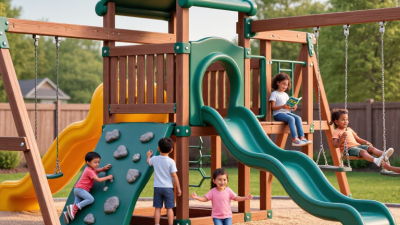
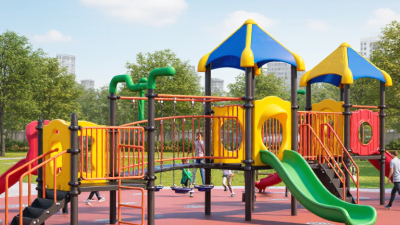
Why Choose Outdoor Playground Toys for Your Business?
Choosing Outdoor Playground Toys for a business is more than adding bright equipment to an empty space. It is an investment in movement, curiosity, and memorable customer experiences. A well-designed climbing frame can turn a quiet corner into an active destination. A balance beam can encourage children to try again after an imperfect attempt. Those small moments matter.
Dr. Joe L. Frost, a respected playground researcher and author, described play as “the work of children.” His view reflects an important business reality: children need meaningful challenges, not decoration alone. Outdoor Playground Toys can support physical coordination, social interaction, and imaginative play when they match children’s ages and abilities. They can also increase the time families spend in restaurants, resorts, retail centers, and community venues.
However, success is not automatic. Bright colors do not repair poor layout. Expensive equipment cannot replace regular inspections, cleaning, shade, and thoughtful supervision. Business owners must consider available space, surface quality, drainage, accessibility, and long-term maintenance before purchasing. A toy that looks impressive in a catalog may feel cramped on-site. That mistake can be costly.
Good planning begins with real observation. Watch how children move through the space. Notice where parents stand. Check whether staff can identify damaged parts quickly. Reliable suppliers should provide clear specifications, installation guidance, maintenance information, and responsive support. The best choice may not be the largest structure. It may be the safest, most adaptable, and easiest to maintain.
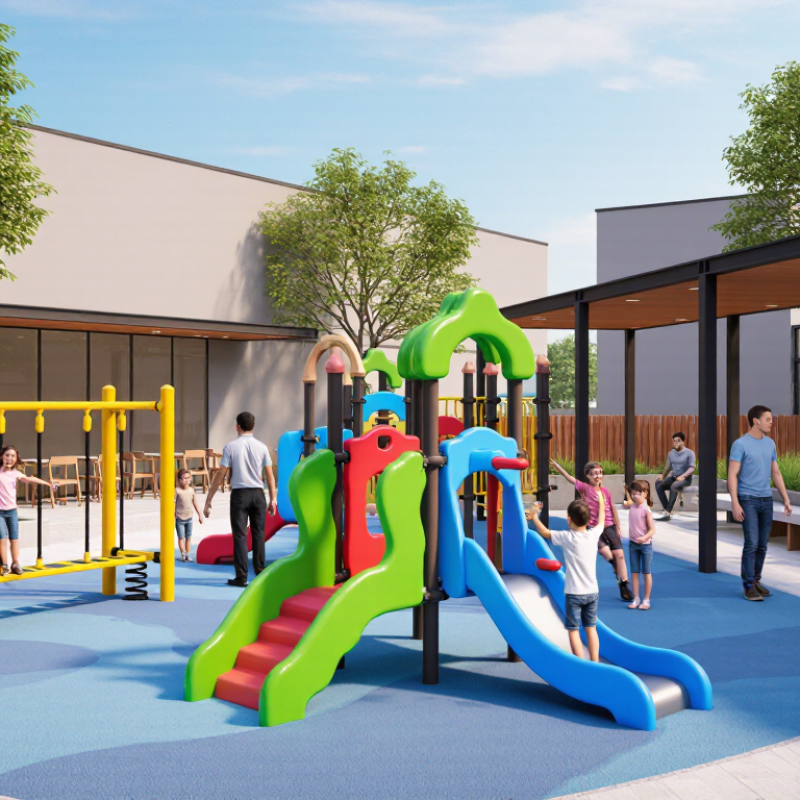
What Are Outdoor Playground Toys?
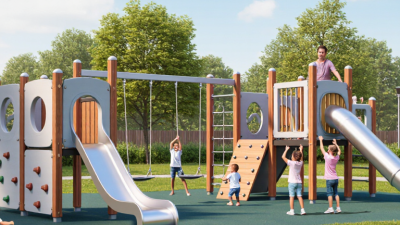
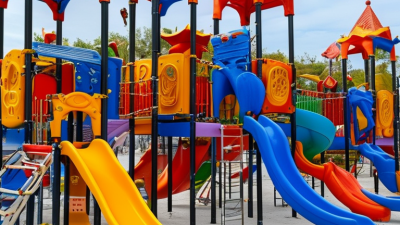
Outdoor playground toys are play equipment designed for open-air use. They may include swings, slides, climbing frames, balance beams, spring riders, and interactive activity panels. Some are fixed permanently, while others can be moved or rearranged for different age groups. Their surfaces usually resist sunlight, moisture, and repeated handling.
These toys support physical movement, coordination, problem-solving, and social play. A child may grip a climbing net, judge a jump, or wait for a turn on a slide. Each action creates a small learning experience. For a business, the best equipment should match the available space, expected visitor age, and daily traffic. It should also have rounded edges, stable connections, suitable fall protection, and surfaces that are easy to inspect.
Not every item fits every site.
From practical planning, spacing often matters more than appearance. Bright colors attract attention, but poor layout can create crowding and blind spots. Operators should check bolts, ropes, drainage, and surface wear regularly. Local playground safety requirements should guide installation and maintenance. This is where small oversights become costly. A toy may look strong yet perform poorly under constant use. Weather, cleaning routines, and user behavior can change its condition. Selecting outdoor playground toys is therefore less about filling space and more about creating a dependable play environment.
How Do Outdoor Playground Toys Benefit Businesses?
Outdoor playground toys can give a business more than visual appeal. They create a reason for families to stay longer, especially in restaurants, resorts, retail centers, and community venues. A child who is actively playing may give parents time to finish a meal, browse nearby products, or enjoy a quieter conversation.
The benefit depends on thoughtful planning. Durable climbing structures, balance features, and sensory toys can serve different ages and abilities. Clear sightlines help adults supervise without constant movement. Soft ground surfaces can reduce injury risks, while shaded seating supports longer visits during warm weather. These details can improve customer comfort and encourage repeat visits. Small changes matter.
Businesses can also use outdoor play areas to strengthen their local identity. A clean, well-maintained space may attract families through word of mouth and local searches. However, playground toys are not an automatic success. Poor placement can block walkways, and neglected equipment can damage customer trust. Weather, cleaning, inspections, and repairs require regular budgeting. That part is easy to underestimate. Operators should observe how visitors use the space, then adjust the layout, age range, or seating based on real behavior. Reliable maintenance records and accessible design choices also show professional care.
Which Business Settings Suit Outdoor Playground Toys?
Outdoor playground toys can serve many business settings, but the right location matters more than bright colors. Childcare centers need durable equipment for repeated daily use, with clear age separation and easy supervision. Family restaurants can add a small play zone near dining areas, helping parents stay relaxed while waiting for meals. Hotels and resorts may use outdoor toys beside pools, gardens, or family activity spaces.
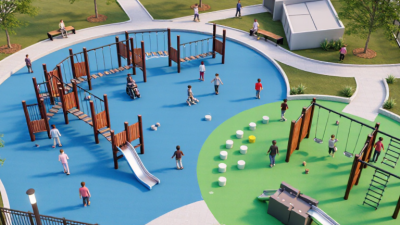
Shopping centers and community clubs can also benefit from compact playground structures. These spaces often need equipment that attracts visitors without blocking walkways or emergency access. A practical plan includes shock-absorbing ground surfaces, shade, drainage, and enough distance between moving parts. Operators should check local safety requirements and arrange regular inspections by qualified professionals. A colorful set is not always the best choice. Poor placement can create noise, crowding, or hidden corners. That lesson is easy to miss.
Tips: Measure the site before choosing equipment. Watch how children move through the space. Keep younger children away from higher climbing features. Choose weather-resistant materials and inspect bolts, edges, platforms, and surfaces regularly. Ask staff to record small defects before they become expensive repairs. Consider nearby seating, water access, and nighttime lighting. Some businesses focus heavily on the toy itself. They sometimes forget cleaning and maintenance time. That can weaken the customer experience.
What Factors Should Businesses Consider Before Buying?
Why Choose Outdoor Playground Toys for Your Business?
What Factors Should Businesses Consider Before Buying?
A playground can attract families, extend customer visits, and create a more active business environment. However, the purchase should begin with site needs, not colorful designs. Measure the available area, walking paths, shade, drainage, and emergency access. A small gap between equipment can become a serious maintenance problem.
Safety deserves careful attention. Check the equipment’s materials, edges, fasteners, fall zones, and age suitability. Ask suppliers for clear installation instructions, inspection records, and relevant safety testing. Requirements vary by location, so businesses should confirm local standards with a qualified professional. Rubber surfacing may reduce impact, but it still needs correct depth and regular inspection.
Durability also affects the real cost. Sunlight, rain, salt air, and heavy daily use can damage weak materials quickly. Review warranties, replacement parts, cleaning needs, and inspection schedules before signing an order. A lower price may seem practical, yet our first budget is often incomplete when delivery and ground preparation are added. Leave room for revision. Staff should know how to report loose bolts, cracked surfaces, or unusual movement. Accessibility matters too; children with different physical abilities should have meaningful ways to participate. The most attractive option may not fit the site, audience, or maintenance capacity. Test the decision against a rainy weekday, not only a busy opening day.
How Can Businesses Manage Safety, Maintenance, and Customer Appeal?
Outdoor playground toys can attract families, but customer appeal depends on more than bright colors. Owners must manage safety, maintenance, and daily usability with equal care. A loose bolt, cracked panel, or slippery surface can quickly change a positive experience.
Regular inspections should cover fasteners, platforms, handles, surfacing, and drainage. Staff should record each check, including weather damage and reported concerns. Follow applicable safety standards and use trained professionals for complex repairs.
Tips:
Walk the playground before opening. Touch moving parts. Look beneath equipment. Clean high-contact areas daily, especially after busy weekends. Keep a simple maintenance log with dates, findings, and completed repairs. Replace damaged components promptly, rather than waiting for several problems to appear. A short staff briefing can prevent careless use and improve supervision.
Customer appeal also grows through thoughtful design. Equipment should offer different challenge levels, comfortable seating, clear visibility, and accessible routes where practical. Shade, clean surfaces, and nearby waste bins make families more likely to stay longer.
Seasonal checks matter because heat, rain, and frost affect materials differently. No system is perfect. I have seen careful teams miss small surface damage during rushed inspections. That is why a second review, especially after storms or crowded events, is worthwhile. Owners should also ask families for specific feedback, not only general praise. Their comments may reveal a confusing entrance, poor sightline, or toy that children quickly ignore.
 +86-13901441113

 CONTACT NUMBER
 CONTACT NUMBER