
Leave Your Message

How to Choose the Best Outdoor Sliding Doors?

Outdoor sliding doors can make a room feel brighter and connect it naturally with a patio, garden, or balcony. Yet a wide glass opening is only useful when the door suits your home and local conditions. Before choosing, consider the opening’s width, the available wall space, and how often people will pass through it. A smooth track matters. So does the view.

The phrase “Slide Outside” captures the appeal, but practical details deserve equal attention. Compare frame materials, glass options, locking systems, and weather seals. In a windy or rainy area, ask how the door manages drafts and water, not just how it looks in a showroom. Check whether the panels are easy to clean and whether the track could collect grit, leaves, or pet hair. Small details matter.

Energy performance and safety should be checked against the manufacturer’s specifications, since ratings and features vary by product. Ask an experienced installer to assess the opening, drainage, and fit before ordering. Measurements that seem simple can be misleading. A beautiful door can still disappoint if it blocks a walkway or feels difficult to operate. Even a careful comparison may overlook something; seeing the door in person and asking direct questions can help. The best choice balances appearance, everyday comfort, maintenance, and a reliable installation.
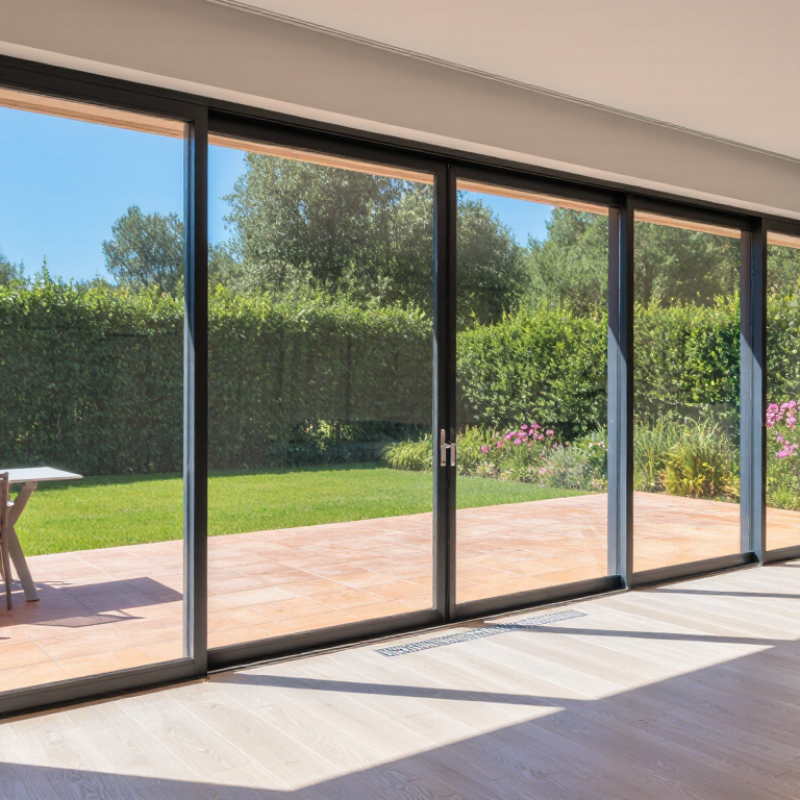
How to Choose the Best Outdoor Sliding Doors?

Identify Your Space, Climate, and Door Requirements

Start with the opening, not the catalog. Measure twice. Record width, height, and depth at several points; older openings may not be perfectly square. Then check how people move through the room. A wide door can brighten a dining area, but its panels need somewhere to slide. Note nearby furniture, curtains, steps, and the path to the patio. A low or flush threshold may make access easier, but it also needs careful drainage planning.

Wind matters. In exposed areas, check that the door’s design and installation suit local wind conditions. For rainy climates, look closely at sill drainage and weather seals. Cold winters or hot summers may call for insulated frames and suitable glazing; compare performance ratings relevant to your region. Strong afternoon sun can fade rugs and warm a room, so consider shading as well. Climate needs are easy to underestimate.

Think about daily use, too. Do you need a screen, a secure locking system, or panels that one person can move comfortably? Sliding doors do not swing into the room, though tracks can collect grit and need regular cleaning. I have seen people focus on glass area and overlook the track. That is an easy mistake. Consider maintenance, views, privacy, and how often the doorway will be used before settling on a panel layout.


Compare Frame Materials, Styles, and Configurations

Compare frame materials with your local weather and maintenance habits in mind. Vinyl resists moisture and needs little upkeep, though its frame profiles may look thicker. Aluminum allows narrow frames and wide glass views, but choose thermally broken construction in climates with hot summers or cold winters. Fiberglass holds its shape well through temperature changes. Wood feels warm and natural, but exposed finishes need regular care. No material is perfect.

Style changes the look and the light. Large, clear panes suit contemporary homes, while divided-light patterns can echo traditional windows. Configurations matter, too: a two-panel door is simple, while three-panel or multi-slide systems can open a wider passage. Check where the panels stack, and make sure they will not block a walkway or furniture.

Tips: Stand near the planned opening and picture the panels moving. Ask how the sill drains after heavy rain, and check that the screen is easy to operate. I once underestimated how much a wide frame would interrupt the view; measuring sightlines before ordering can help.

Evaluate Glass, Energy Efficiency, and Weather Resistance

For outdoor sliding doors, start with the glass, not the frame color. The U.S. Department of Energy’s Energy Saver guidance estimates that windows account for 25–30% of household heating and cooling energy use. Look for the NFRC label: a lower U-factor means less heat transfer, while the solar heat gain coefficient indicates how much sunlight warms the room. Low-e glass can help, but the right coating depends on climate, orientation, and shade. A sun-facing patio door may need different glass from a shaded one.

Small details matter. Double-pane glass with a sealed insulating space can improve comfort, while laminated or tempered options may suit specific safety needs. Ask for the tested rating, not just a sales description. On a cold morning, feel near the glass edges and track; that is where drafts often become noticeable. One caveat: better glass cannot fix a poorly installed door.

Weather resistance needs equal attention. The AAMA/WDMA/CSA 101/I.S.2/A440 standard evaluates doors for air leakage, water penetration, and structural performance. Check that the unit’s performance grade fits your exposure, especially if wind-driven rain reaches the opening. A sill that drains outward, tight weatherstripping, and a smooth, even track all matter. I would still inspect the installed door after a hard rain; laboratory ratings cannot reveal every flaw in the opening.

How to Choose the Best Outdoor Sliding Doors? — Evaluate Glass, Energy Efficiency, and Weather Resistance

Compare the glazing, frame, and tested performance—not just the appearance. The right choice depends on your climate, orientation, exposure to wind-driven rain, and local building requirements.

Evaluation Factor What to Look For Useful Specifications or Guidance Best Suited For Checks Before Buying
Insulating glass Choose double-pane insulating glass as a practical starting point. Consider triple-pane glass where winters are severe or improved comfort is a priority. Compare the whole-door U-factor; lower values indicate less heat transfer. Values vary by door size, frame, and configuration, so compare complete products rather than glass alone. Double-pane: many mixed climates. Triple-pane: colder climates or rooms where interior comfort is especially important. Confirm the stated rating applies to the complete sliding door, not only its center-of-glass area.
Low-emissivity (Low-E) coating Select a coating suited to the local climate and the door’s direction. Low-E coatings help reduce heat transfer through the glass. Review both U-factor and solar heat gain coefficient (SHGC). A lower SHGC limits solar heat entering; a higher SHGC can allow more useful winter sun. Lower SHGC may help on sunny, hot exposures. A higher SHGC may be useful in cold climates where passive solar gain is desired. Consider overhangs, exterior shading, orientation, and local energy-code requirements when comparing SHGC.
Gas fill and warm-edge spacer Look for an insulating gas fill, commonly argon, and a warm-edge spacer between the panes. These features can reduce heat transfer through the glazing assembly and help limit condensation at the glass edge. Homes seeking better insulation and improved comfort near large glazed openings. Ask whether these features are included in the quoted configuration and covered by the product warranty.
Frame material Compare thermal performance, maintenance needs, strength, and resistance to moisture. Thermally broken aluminum reduces heat flow through an aluminum frame. Vinyl and fiberglass frames generally conduct less heat than unbroken metal; wood requires suitable exterior protection. Choose based on climate, desired appearance, exposure, maintenance preferences, and the performance of the complete door. Check for thermal breaks in metal frames, drainage provisions, finish durability, and care instructions.
Air leakage Choose a well-sealed door with effective weatherstripping and a secure interlocking meeting rail. Look for a tested air-leakage rating and compare products using the same test method and units. Lower leakage generally means fewer drafts. All climates, especially exposed locations and rooms where drafts affect comfort. Check that the operating panel closes and locks firmly and that installation details preserve the intended seals.
Water penetration Check the door’s tested water-resistance performance and the sill’s drainage design. Water performance is reported under specific test conditions; confirm the tested rating is appropriate for local wind and rain exposure. Coastal, storm-prone, or otherwise rain-exposed locations, and openings with limited protection from overhangs. Verify sill pan, flashing, and water-management details for the opening. A high-performing door still depends on correct installation.
Wind-load performance Select a door tested for the wind pressures required at the building site. Check the design-pressure rating and applicable local code requirements. Required performance varies with building height, location, and exposure. Coastal areas, high-wind regions, tall buildings, and exposed elevations. Confirm the exact size and configuration being purchased is covered by the stated rating.
Glass safety and security Use safety glazing where required by code, such as certain locations near doors and walking surfaces. Consider laminated glass for added impact resistance. Tempered glass is designed to break into smaller pieces; laminated glass holds fragments together with an interlayer. Neither choice replaces secure locks and correct installation. Homes with children, high-traffic areas, or openings exposed to impact or security concerns. Check local safety-glazing rules, lock quality, anti-lift features, and the compatibility of the door with the opening.
Installation and maintenance Prioritize a square, level installation with properly sealed flashing, functioning drainage, and clean tracks. Installation quality affects operation, air and water control, and service life. Track debris can interfere with panel movement and drainage. Every project, regardless of door material or glass package. Review installation instructions, warranty terms, track-cleaning guidance, and recommended inspection intervals.

How to compare: Request the complete door’s U-factor, SHGC, air-leakage result, and applicable water and wind test ratings for the exact size and configuration. Ratings and code requirements vary by product and location; confirm local requirements before ordering.

Check Security, Ease of Operation, and Accessibility

Security starts with the whole opening, not the lock alone. The FBI’s 2023 Crime in the Nation report recorded 847,522 burglaries in the United States. It does not attribute them to sliding doors, but the figure is a reminder to check every entry point. Close the panel and confirm the latch engages fully. Look for loose frame joints or a gap that lets the panel lift. A good lock is not the whole answer.

Ease of operation matters every day. Slide the door several times; it should move without a hard shove, scraping, or sudden sticking. Check the rollers, track, and handle, especially if the panel feels heavier in damp weather. Test it yourself. AARP’s 2024 Home and Community Preferences Survey found that 75% of adults aged 50 and older want to remain in their homes as they age. That makes an easy-to-use door a practical long-term choice, not just a convenience.

Accessibility depends on the person and the doorway. A low, firm threshold can reduce trips and make wheelchair passage easier; keep the track clear of grit and leaves. The U.S. Access Board’s ADA Standards use a 32-inch minimum clear opening for accessible doorways in covered settings. That is a useful reference, though it is not a universal residential requirement. Measure the actual opening with the panel fully open. Small details matter.

Measure the Opening and Plan for Installation and Maintenance

How to Choose the Best Outdoor Sliding Doors?

Measure the Opening and Plan for Installation and Maintenance

Measure the opening at the top, middle, and bottom; record all three widths. Repeat at the left, center, and right for height. Use the smallest measurements when checking the door’s fit, and compare the diagonals to spot an out-of-square frame. Small details matter. Include the finished floor, trim, and space needed for installation. Then measure again.

Plan for proper flashing, drainage, and perimeter sealing before ordering. The U.S. Department of Energy estimates that windows account for 25–30% of residential heating and cooling energy use. That figure is not specific to sliding doors, but it shows why careful sealing around large glazed openings matters. Check the door’s performance ratings and installation instructions, and confirm who will handle any needed structural adjustments. A tape measure cannot reveal hidden framing problems; an installer’s site check may catch them.

Tips: Keep the track clear of grit, and wipe it with a soft brush or cloth. Check rollers, seals, and drainage openings during routine cleaning. If the panel sticks, do not force it; debris or alignment may be the cause. I would still recheck the measurements after flooring work, since a small height change can affect clearance.